

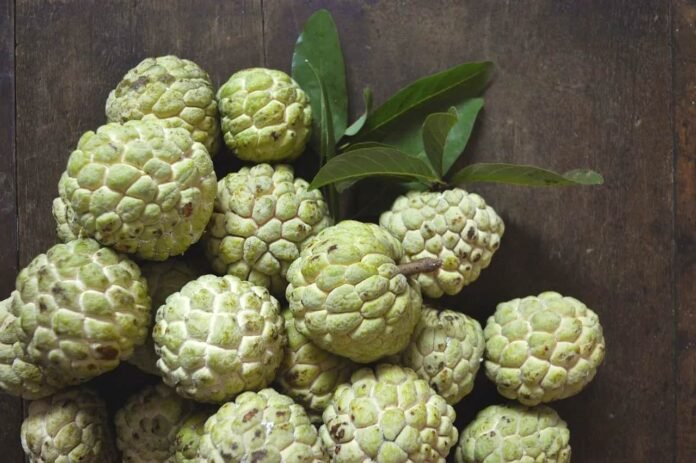
Every winter, sitaphal, commonly known as custard apple (Annona squamosa), finds its way into homes across Rajasthan. With its sweet taste and creamy texture, the fruit is a seasonal favourite. In Mewar, however, sitaphal represents much more than a winter delicacy. It is closely connected with the region’s natural landscape, traditional food culture and the livelihoods of local communities.
The Aravalli belt surrounding Udaipur, Chittorgarh, Rajsamand, Bhilwara, Banswara and Dungarpur is known for its natural growth of sitaphal. The region’s semi-arid climate and surrounding terrain provide favourable conditions for the fruit. According to Kamlendra Singh Ranawat, who closely observes sitaphal cultivation in Mewar, flowering generally begins during the monsoon season, while the fruits mature towards winter.
A Fruit Shaped by Mewar’s Landscape
Sitaphal is relatively low-maintenance when grown in suitable conditions. It generally requires limited irrigation and fertilisers, making it a suitable fruit for certain semi-arid landscapes. However, cultivation comes with its own challenges. Birds can damage the crop, while the fruit’s delicate nature and short shelf life make harvesting, storage and transportation difficult.
For generations, sitaphal has also supported small-scale seasonal livelihoods in the region. Tribal women and children have traditionally sold freshly harvested fruits along highways and in local markets, offering them to travellers and residents at modest prices. These familiar roadside stalls remain part of Mewar’s winter landscape.
Over time, the fruit has also found a place beyond traditional markets. Its growing popularity as a flavour in ice creams, custards and other desserts has introduced it to a wider range of consumers. This expanding culinary appeal presents opportunities for local produce to reach new markets and gain greater commercial recognition.
Traditional Ways of Ripening and Enjoying Sitaphal
In many households across Mewar, ripening sitaphal at home is a familiar seasonal practice. Unripe fruits are traditionally placed in a covered container with wheat grains, hay or newspaper to encourage ripening. Depending on their maturity and surrounding conditions, they may become ready to eat within a day or two.
A ripe sitaphal generally feels slightly soft when pressed gently, with its pulp developing a creamy consistency. Excessive softness, however, may indicate that the fruit has started deteriorating. Once ripe, it is commonly enjoyed fresh, with its naturally sweet pulp making it a popular winter treat.
Preserving the Roots While Embracing New Possibilities
While sitaphal continues to gain popularity through modern food preparations, preserving its regional identity remains equally important. Dr Mahendra Pal Singh Ranawat, former professor of botany, emphasises the importance of understanding the origins and cultural associations of traditional fruits.
He believes that the growing popularity of new flavours and food creations should not distance consumers from the agricultural and cultural roots of the produce they enjoy.
As he puts it,
“We must not forget the roots of our fruits, their origins, history and connection with society. While enjoying sitaphal through new flavours and modern creations, we must preserve the essence of where it comes from.”
From the Aravalli landscapes and roadside markets of Mewar to contemporary kitchens and dessert menus, sitaphal continues to evolve while retaining its regional character. Its journey reflects how traditional produce can find new opportunities through changing consumer preferences without losing its connection with local communities, landscapes and food traditions.