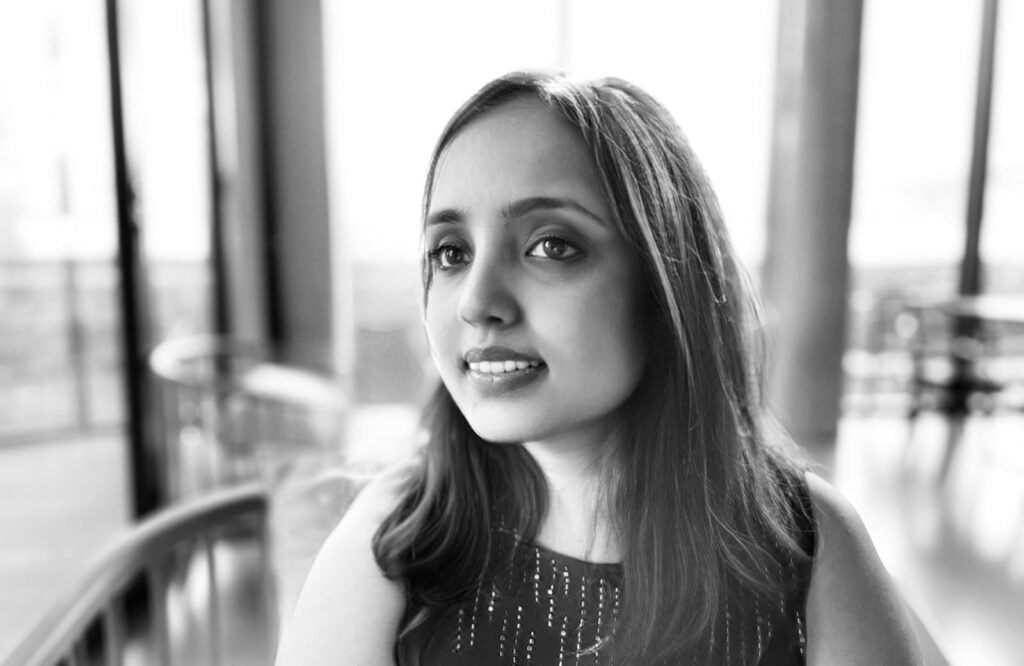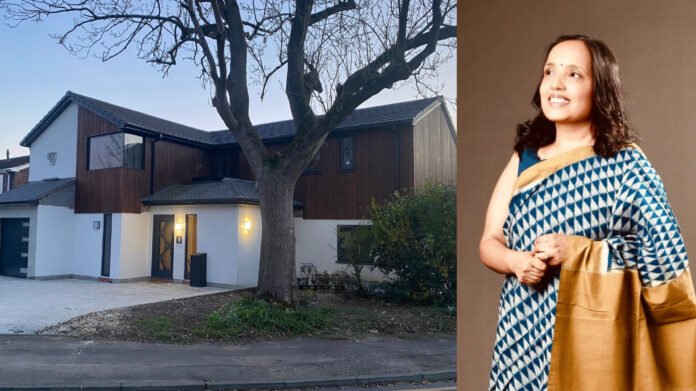
Architecture sits at the intersection of creativity, functionality and the way people experience a place. For Vandana Goyal, founder of Studio9, that understanding has been shaped by a journey that began in India and continued through London, where she studied at the Architectural Association and The Bartlett and worked with internationally recognised practices including Adjaye Associates, SOM and Wilkinson Eyre.
In 2020, she established Studio9 with a desire to develop her own approach to architecture and create spaces rooted in thoughtful design, sustainability and human experience. Since then, the London-based practice has developed a distinctive philosophy around natural light, materials, proportion, nature and spaces that are designed to endure.
One of Studio9’s notable projects, Ikigai, was included in Open House London and featured in Disney’s Culprits. The practice was also recognised as Best Boutique Architecture Firm 2025 in London, while Ikigai was shortlisted for Residential Project of the Year at the 2024 London Construction Awards.
On Architecture Day, Vandana Goyal speaks about her journey, establishing Studio9, the influence of London, the differences between architectural practices in India and the UK, sustainability and the idea of creating spaces that become part of people’s memories.
Q. What first drew you towards architecture?
Vandana Goyal: Architecture attracted me because it combines creativity with problem-solving. I was fascinated by how an idea can be transformed into a physical space that influences how people live and feel. My experiences in India and later in London, along with my education at the Architectural Association and The Bartlett, helped shape my understanding of architecture as both an art and a responsibility.
Q. Why did you decide to establish Studio9 in 2020?
Vandana Goyal: By 2020, I had gained experience working with several internationally recognised practices, including Adjaye Associates, SOM and Wilkinson Eyre. I felt ready to develop my own approach to architecture and work more closely with clients. Studio9 gave me the opportunity to create spaces that reflect my own values of thoughtful design, sustainability and timelessness.
Q. What did you want Studio9 to stand for when you founded it?
Vandana Goyal: I wanted Studio9 to create architecture that is meaningful rather than simply fashionable. Our focus is on light, material, proportion, nature and human experience. Over time, this has developed into a stronger interest in wellbeing, sustainability and creating spaces that age gracefully.
Q. How do natural elements influence your projects?
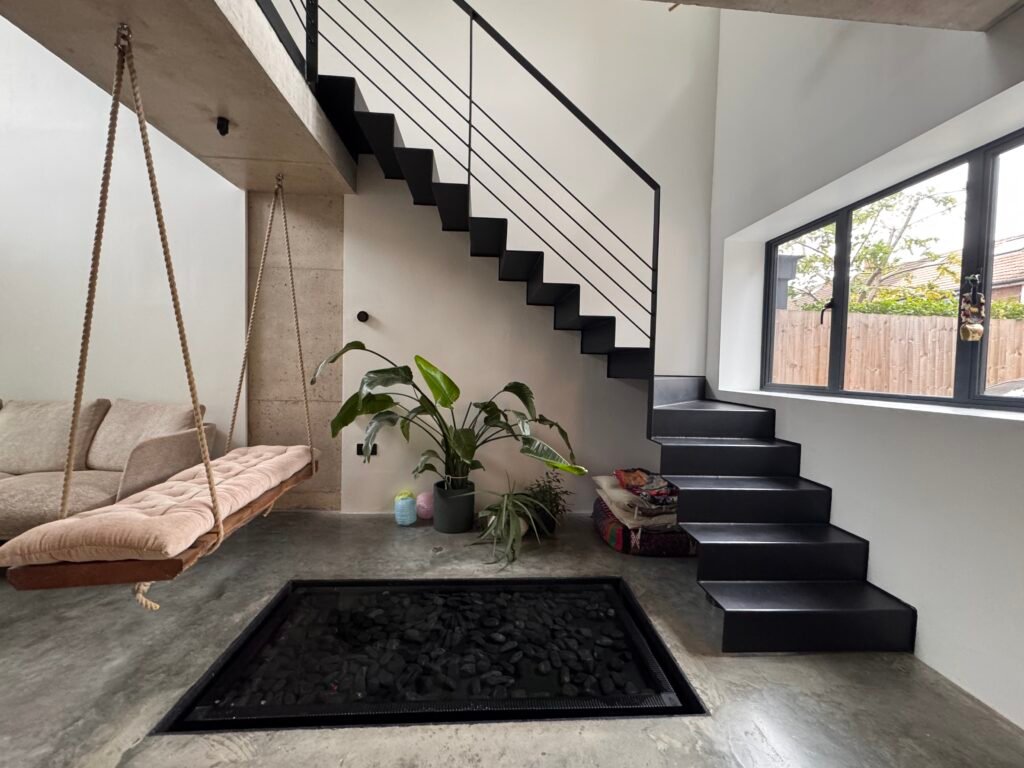
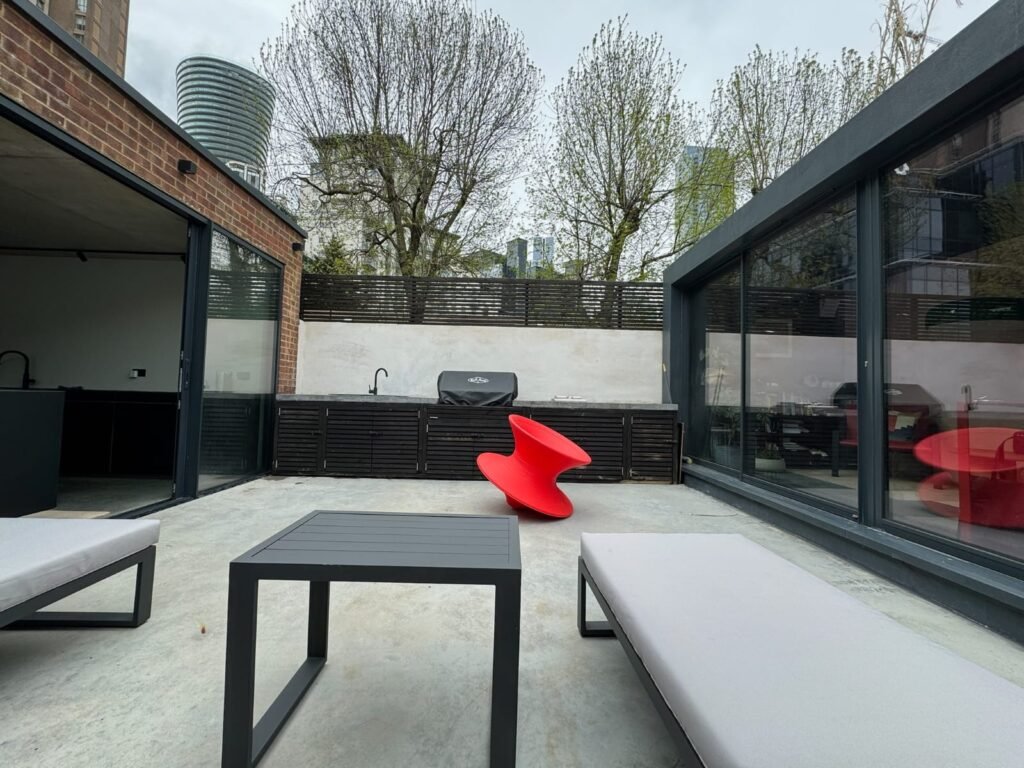
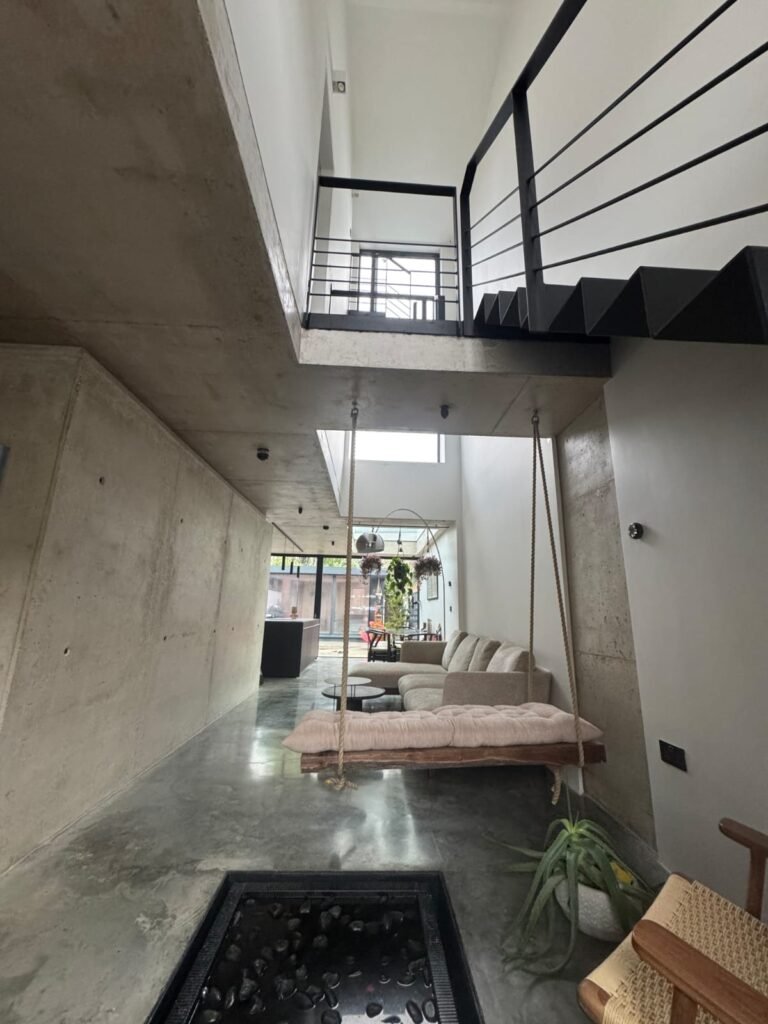
Vandana Goyal: I believe nature should be integrated into architecture from the beginning. Natural light, ventilation, water and greenery can influence both the environmental performance and emotional quality of a space. In Ikigai, for example, courtyards, water, greenery and natural light create a calm atmosphere within an urban setting.
Q. How has London influenced your architectural thinking?
Vandana Goyal: London has taught me the importance of context. Its combination of historic and contemporary architecture encourages you to think carefully about proportion, materials and how a new building relates to its surroundings. It has also made me very conscious of using space efficiently, particularly in residential projects.
Q. Having experienced both Indian and British contexts, what differences do you see between architecture in India and the UK?
Vandana Goyal: India has a strong connection with climate, craft, local materials and cultural traditions, while the UK has a highly developed approach to planning, heritage, regulation and technical processes. I believe both contexts have valuable lessons to offer. The ideal approach is to understand the specific character and needs of each place.
Q. How do you translate a client’s personality into architecture?
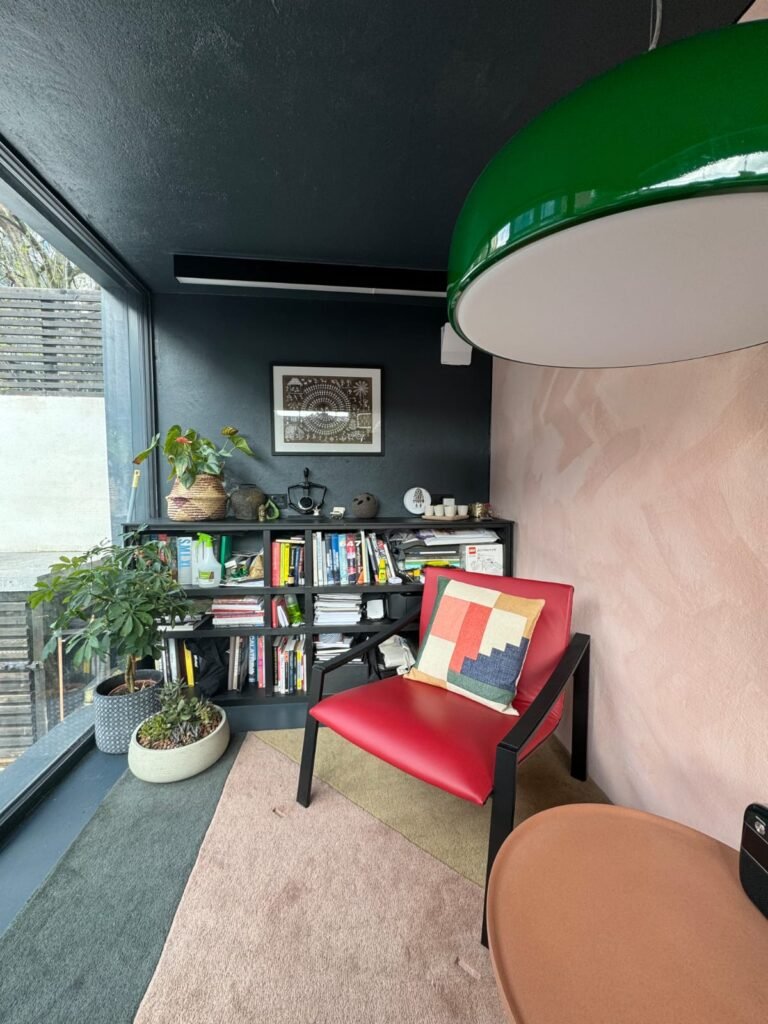
Vandana Goyal: It begins with listening. We try to understand how clients live, what they value and what makes them comfortable. Their lifestyle then informs everything from spatial planning and light to materials and the connection between indoor and outdoor spaces. The final home should feel personal rather than simply reflecting the architect’s style.
Q. What does Ikigai mean to you?
Vandana Goyal: Ikigai was conceived as an urban retreat, a calm home within the energy of London. The design uses natural light, an internal courtyard, greenery, water and tactile materials to create a sense of tranquillity. Its inclusion in Open House London and appearance in Disney’s Culprits have been wonderful milestones, but its greatest achievement is the experience it creates for its occupants.
Q. Which recognition has been particularly meaningful to you?
Vandana Goyal: The recognition of Studio9 as Best Boutique Architecture Firm 2025 in London was particularly meaningful because it acknowledged the practice as a whole. Ikigai also being shortlisted for Residential Project of the Year at the 2024 London Construction Awards was an important recognition of our design approach.
Q. What has founding an architectural practice taught you?
Vandana Goyal: Founding a practice taught me that architecture is only one part of the job. Leadership, communication, finances, contracts and client relationships are equally important. I have learned to trust my team, communicate clearly and make decisions while remaining open to different perspectives.
Q. What does genuine sustainability mean to you?
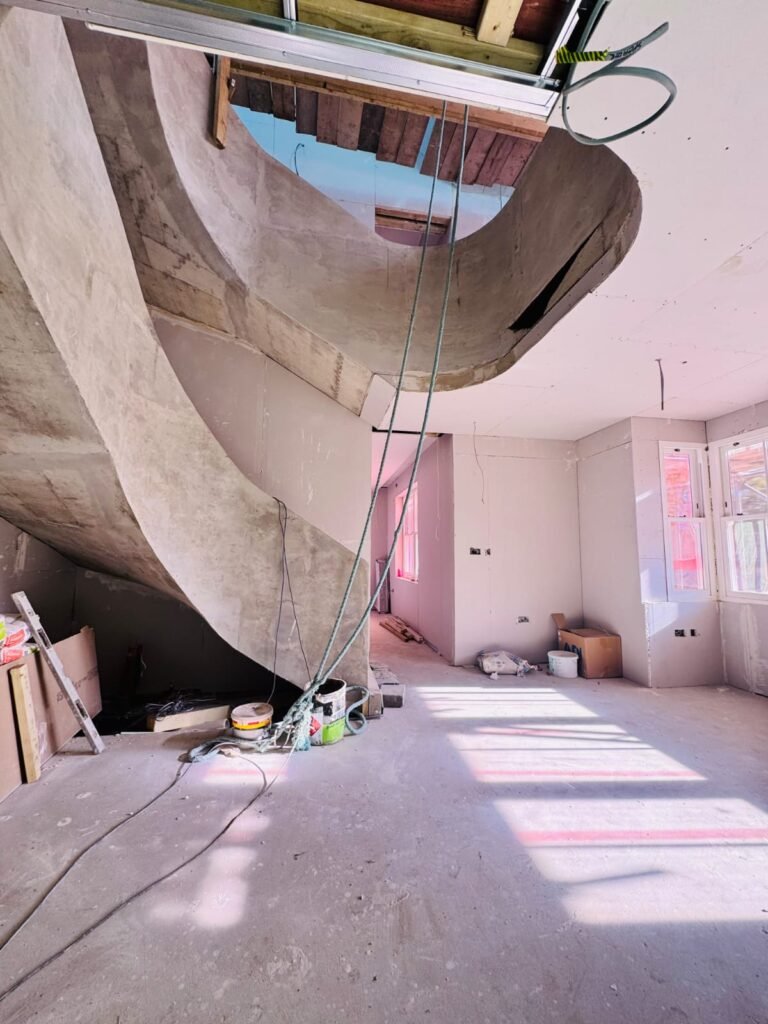
Vandana Goyal: Sustainability should be integrated into the design rather than added as a feature. It means thinking about orientation, daylight, ventilation, material choices, reuse, adaptability and longevity. A building that remains useful and loved for generations is, in itself, a sustainable building.
Q. What are some of the biggest challenges facing architecture in London today?
Vandana Goyal: London needs to balance housing requirements with heritage, sustainability and quality of life. We need more adaptable buildings, better approaches to retrofitting existing structures and homes that respond to changing lifestyles. The challenge is not simply to build more, but to build thoughtfully.
Q. Was there a particular turning point in your career?
Vandana Goyal: Moving from India to London and working with different international practices were important milestones. But founding Studio9 was perhaps the biggest turning point because it required me to define my own architectural philosophy. Projects such as Ikigai helped bring many of those ideas together.
Q. What do you hope people feel when they enter a Studio9 space?
Vandana Goyal: I hope they feel something before they analyse the architecture, perhaps calm, curiosity or a connection with nature. I want our spaces to reveal themselves gradually and become part of people’s everyday memories rather than simply being visually impressive.
Q. What advice would you give young architects in India who aspire to work internationally?
Vandana Goyal: Don’t rush to find your voice. Gain experience, travel, study buildings, understand construction and learn from different cultures. Your Indian background is an asset, but be willing to learn from every environment you work in. And if you eventually want to start your own practice, remember that leadership and business skills are just as important as design.
For Vandana Goyal, architecture is ultimately about more than creating buildings. It is about understanding context, responding to people and creating spaces that have a lasting relationship with those who inhabit them. Her journey from India to London and from working with global architectural practices to establishing Studio9 reflects that evolution. At the heart of her approach is a simple idea: good architecture should not only be seen, but experienced and remembered.