

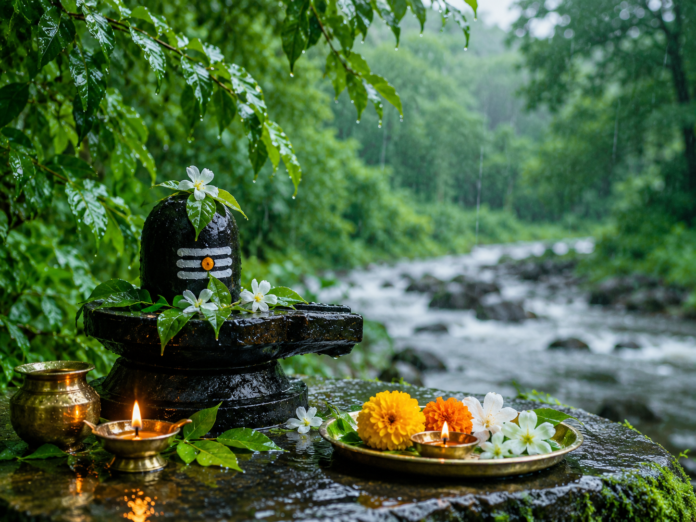
When the monsoon washes the earth clean and the landscape turns green, India celebrates a festival that brings together nature, faith and community. Hariyali Amavasya, observed on the new moon day of the Hindu month of Shravan, is a celebration of greenery, agricultural prosperity and the rejuvenation of nature. In 2026, Hariyali Amavasya falls on August 12. The name itself means the “Green New Moon”, reflecting the lush transformation brought by the monsoon.
The festival holds special significance across parts of North and Central India, particularly in Rajasthan, Uttar Pradesh and Madhya Pradesh. Shravan is traditionally associated with Lord Shiva, and Hariyali Amavasya is observed as a day for prayers, charity, remembrance of ancestors and reverence for nature. The season also has a deep agricultural connection, as the arrival of rain brings new life to fields, trees and vegetation.
The meaning of Hariyali Amavasya goes beyond the literal celebration of greenery. The festival represents renewal and abundance. The dark night of Amavasya coincides with a season when the landscape is at its most vibrant, creating a striking contrast between the lunar calendar and the living landscape. For agrarian communities, the monsoon is a time of hope, as sufficient rainfall is closely connected with a healthy harvest and livelihood.
Religious traditions associated with the day include worship of Lord Shiva and Goddess Parvati. Devotees visit temples, offer prayers and seek blessings for family wellbeing and prosperity. In many communities, people also perform tarpan and other ancestral rituals, believing that offerings and prayers made during Amavasya help honour their ancestors. Taking a holy bath, giving food or other forms of charity, and performing acts of service are also traditional practices associated with the day.
One of the most meaningful traditions associated with Hariyali Amavasya is planting trees and caring for nature. Since the festival celebrates the earth’s renewal during the monsoon, planting saplings becomes a natural expression of gratitude towards the environment. In this sense, an old seasonal tradition carries a message that remains highly relevant today: protecting greenery is essential for sustaining life.
The festival also has a distinctive cultural character in Rajasthan, particularly in Udaipur. Hariyali Amavasya is among the city’s important seasonal celebrations, and its traditional fair brings together people from both rural and urban communities. The Udaipur celebration has historically been held around Fateh Sagar Lake and nearby areas, with swings, local markets, traditional food, ornaments, household goods and other attractions becoming part of the festivities.
The Udaipur fair has also traditionally had a special place for women. According to the Udaipur Municipal Corporation, the two-day Hariyali Amavasya fair is primarily associated with women praying for the prosperity and wellbeing of their families, while the celebration as a whole is enjoyed by people of all ages.
For generations, the fair has provided more than entertainment. It has been a space where local culture, commerce and community life meet. Traditional swings, folk atmosphere, seasonal foods and local markets turn the monsoon festival into a social gathering. In a city celebrated for its lakes and landscapes, the arrival of Hariyali Amavasya also adds another layer to Udaipur’s relationship with the monsoon.
There are also different regional traditions and beliefs surrounding the festival. In some places, people worship trees or sacred plants, while in others they visit gardens and natural spaces. Farmers may pray for adequate rainfall and a good agricultural season. Families may prepare seasonal foods, visit temples and participate in charitable activities. The exact customs vary from region to region, but the underlying idea remains similar: welcoming nature’s abundance and expressing gratitude for it.
The festival’s connection with ancestors is equally significant. Since Amavasya is traditionally considered an appropriate time for remembering departed family members, many households perform prayers or offerings for their ancestors. This gives Hariyali Amavasya a reflective dimension alongside its celebration of greenery and prosperity.
What makes Hariyali Amavasya particularly beautiful is this coexistence of seemingly different ideas. It is a festival of faith and nature, devotion and celebration, remembrance and renewal. The dark moon does not make the day sombre; instead, it arrives at a time when the earth itself is bursting with life.
In today’s world, where environmental concerns are increasingly urgent, the festival’s emphasis on greenery carries renewed relevance. Tree plantation, conservation of water, protection of local ecosystems and responsible use of natural resources can transform the traditional message of Hariyali Amavasya into meaningful contemporary action.
Ultimately, Hariyali Amavasya reminds us that festivals are not always about grand rituals or elaborate celebrations. Sometimes, they are about noticing what is around us, the first green shoots after the rain, the trees becoming fuller, the fields coming alive and communities gathering together.
Hariyali Amavasya celebrates the moment when the monsoon gives the earth a new colour. It is a reminder to be grateful for nature’s abundance, to pray for prosperity, to remember those who came before us and, perhaps most importantly, to protect the greenery that makes life possible.
As the rains fall and Rajasthan turns green, Hariyali Amavasya becomes more than a date on the calendar. It becomes a celebration of the earth coming alive again.