

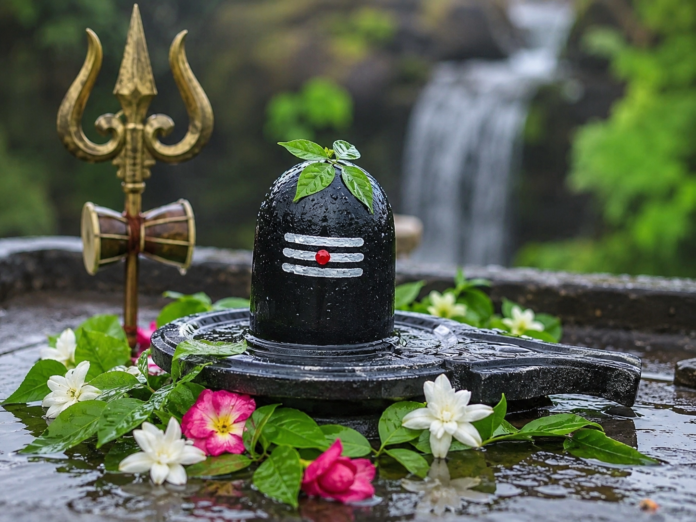
The first Sawan Somwar is being observed today, August 3, 2026, marking one of the most auspicious Mondays of the holy month of Shravan (Sawan). Revered by millions of devotees across India, this day is dedicated to the worship of Lord Shiva, who is believed to be especially receptive to prayers offered during the Shravan month. Temples resonate with the chants of “Har Har Mahadev” and “Om Namah Shivaya”, as devotees gather to seek blessings for health, prosperity, peace and spiritual well-being.
Why is Sawan Somwar significant?
According to Hindu scriptures, the month of Shravan holds immense importance because it is closely associated with Lord Shiva. Mythological beliefs state that during the Samudra Manthan (churning of the ocean), Lord Shiva consumed the deadly poison Halahala to save the universe. To reduce the effect of the poison, the gods continuously offered water to Shiva, giving rise to the tradition of Jalabhishek during Sawan.
Mondays, or Somwar, are already considered sacred to Lord Shiva. When they fall during the month of Shravan, their spiritual significance is believed to multiply. Many devotees observe fasts on these Mondays to seek divine blessings, marital harmony, good health, success and inner peace.
Rituals and traditions
Devotees begin the day before sunrise by taking a holy bath and wearing clean clothes, with white, yellow or green often considered auspicious. After cleaning the home temple, they visit Shiva temples or perform worship at home.
The central ritual of the day is Jalabhishek, where the Shivling is ceremonially bathed with water, Gangajal, raw milk, honey and ghee. Devotees then offer Bel Patra, Datura flowers and fruit, Bhang, white flowers, sandalwood paste, fruits and seasonal offerings. These offerings are believed to please Lord Shiva and symbolize purity, devotion and surrender.
Many devotees observe a Sawan Somwar Vrat, consuming only fruits, milk and vrat-friendly foods throughout the day. Some maintain a complete fast until evening, while others eat a single satvik meal after offering prayers.
Chanting sacred mantras forms an important part of the worship. The “Om Namah Shivaya” mantra is often recited 108 times, while many devotees also chant the Mahamrityunjaya Mantra, believed to invoke protection, healing and longevity.
Auspicious timings for today
For the first Sawan Somwar on August 3, 2026, the important timings are:
Brahma Muhurat: 4:19 AM – 5:01 AM
Abhijit Muhurat: 12:00 PM – 12:54 PM
Pradosh Kaal: 6:26 PM – 7:56 PM
Among these, Abhijit Muhurat is considered especially favourable for performing Shiva Puja, while Pradosh Kaal is regarded as one of the most sacred periods for offering evening prayers to Lord Shiva.
A festival of faith and devotion
Beyond rituals, Sawan Somwar reflects the timeless values of faith, discipline and devotion. Across India, Shiva temples witness long queues of devotees carrying holy water for Jalabhishek, while bhajans, Rudrabhishek ceremonies and community prayers create a deeply spiritual atmosphere.
For many, observing the first Sawan Somwar is not merely a religious practice but an opportunity for self-discipline, gratitude and inner reflection. As the holy month progresses, devotees continue to dedicate each Monday to Lord Shiva, seeking his blessings with unwavering faith and the hope for a life filled with peace, strength and divine grace.