

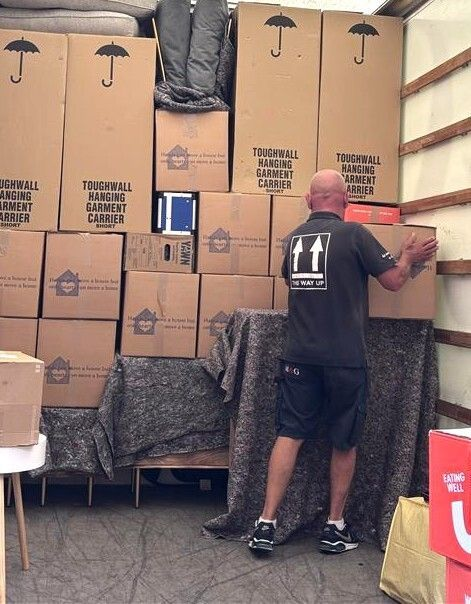
Relocation involves far more than placing belongings into boxes and transporting them to a new address. Whether you are moving between New Zealand cities or heading overseas, the process affects your routines, finances, relationships and sense of familiarity. Packing is only the visible task; the greater challenge lies in coordinating practical decisions while preparing for a different way of living.
Requires Extensive Planning and Coordination
A relocation brings together multiple schedules, including property handovers, transport arrangements, utility connections, travel bookings and delivery dates. These elements often depend on one another. A delay in settlement, for example, may affect accommodation, storage requirements and the arrival of your belongings.
Professional support can help households manage these overlapping responsibilities. Providers such as Crown Relocations trusted moving and relocation specialists may coordinate services including packing, transport and storage, allowing customers to concentrate on decisions that require their direct attention. The value lies not merely in moving possessions, but in keeping the wider transition organised. Similarly, coordinating complex vehicle transport across long distances by working with a reliable Dallas Car Shipping Company helps eliminate the stress of driving hundreds of miles during an already demanding transition.
Disrupts Established Daily Routines
Most people build their lives around familiar systems: commuting routes, school schedules, local shops, healthcare providers and social commitments. Relocation temporarily removes that predictability. Even simple activities, such as buying groceries or travelling to work, may require more thought after arriving somewhere new.
This disruption explains why a move can feel demanding even when the physical distance is relatively short. Moving from Auckland to Wellington, for instance, may involve changes in climate, housing, transport and workplace routines. The household must establish a new support network and gradually replace familiar habits with workable alternatives.
Involves Important Financial Decisions
Moving expenses extend beyond packing materials and transport. Households may need to budget for temporary accommodation, storage, insurance, cleaning, property deposits, travel and utility connection fees. International relocation can also involve visas, customs charges and currency movements.
A realistic relocation budget should therefore include a contingency allowance, which is money reserved for unexpected costs. This is especially important when moving overseas, where exchange-rate changes, shipping delays or additional documentation may affect the final amount paid. Understanding the full financial picture helps prevent small overlooked costs from creating pressure later.
Creates Administrative Responsibilities
Changing address involves notifying banks, insurers, government agencies, healthcare providers and other organisations. Families may also need to transfer medical records, arrange school enrolment and update vehicle or driving documentation. Each requirement may have its own forms, evidence and processing times.
International moves introduce further responsibilities, including immigration approval, customs declarations and checks on restricted goods. Some destinations may require specific permits or supporting records. Preparing this paperwork early reduces the likelihood of avoidable delays and helps ensure important services continue during the transition.
Demands Emotional Adjustment
A move can represent opportunity while still involving a sense of loss. People may leave behind relatives, friends, colleagues and places connected to important experiences. Even a positive relocation can produce mixed feelings because excitement about the destination exists alongside uncertainty about what is being left behind.
The adjustment can affect household members differently. Children may focus on changing schools, while adults may be concerned about employment, finances or building new social connections. Research published in the Journal of Personality and Social Psychology found that frequent childhood moves were associated with lower wellbeing later in life, with disruption to close social relationships helping to explain the effect. Recognising the emotional side of relocation makes it easier to discuss expectations and allow everyone time to settle.
Requires Adapting to a New Environment
Arrival does not mark the end of relocation. People still need to learn how their new area works, from public transport and local services to cultural expectations and neighbourhood routines. Moving overseas may also involve language differences, unfamiliar regulations and different workplace practices.
This period is often described as cultural adjustment, even when the destination appears broadly familiar. Researching everyday life before departure can help, but genuine familiarity develops through experience. Feeling settled is usually a gradual process rather than something that happens as soon as the boxes are unpacked.
Settling In Is the Real Final Step
Packing is a defined task with a clear finish, whereas relocation reshapes several parts of everyday life at once. Planning, administration, financial management and emotional adjustment all continue beyond moving day. A successful relocation is therefore not measured only by whether belongings arrive safely, but by how effectively people establish stability, confidence and a sense of belonging in their new surroundings.