

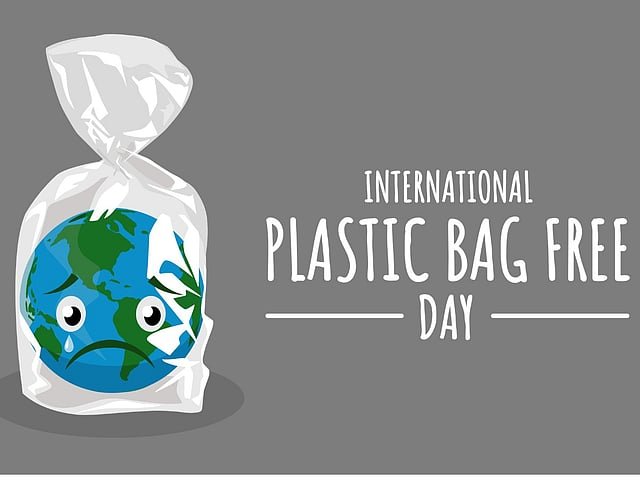
Every year on July 3, the world observes International Plastic Bag Free Day, a global awareness campaign that encourages individuals, businesses, and governments to reduce the use of single-use plastic bags and adopt sustainable alternatives. As plastic pollution continues to pose one of the greatest environmental challenges of the 21st century, the observance serves as a reminder that small changes in everyday habits can collectively make a significant difference.
The campaign forms part of the broader Plastic Free July movement, which inspires millions of people worldwide to reduce their dependence on disposable plastics throughout the month. While the day focuses specifically on plastic bags, its larger objective is to promote responsible consumption, environmental conservation, and a shift towards reusable and eco-friendly products.
Why Plastic Bags Are a Global Concern
Single-use plastic bags are designed to be used for only a few minutes, yet they can persist in the environment for hundreds of years before breaking down. Instead of decomposing completely, they gradually fragment into microplastics, which contaminate soil, rivers, oceans, and even the food chain.
Plastic waste has become a major threat to biodiversity. Marine animals, birds, and terrestrial wildlife often mistake plastic bags for food or become entangled in them, leading to injury or death. Clogged drains caused by plastic waste also contribute to urban flooding, while open burning of plastic releases harmful pollutants into the atmosphere.
According to the United Nations Environment Programme (UNEP), the world produces hundreds of millions of tonnes of plastic waste every year, with a substantial portion ending up in landfills or the natural environment. Reducing single-use plastics has therefore become a global environmental priority.
India’s Efforts Against Plastic Pollution
India has taken several steps to curb plastic pollution in recent years. On July 1, 2022, the Government of India implemented a nationwide ban on the manufacture, sale, and use of identified single-use plastic items with low utility and high littering potential under the Plastic Waste Management Rules.
Several states, municipalities, educational institutions, and community organisations have also launched awareness drives encouraging citizens to carry reusable cloth or jute bags, reduce plastic consumption, and improve waste segregation and recycling.
Campaigns such as ‘Beat Plastic Pollution’, ‘Swachh Bharat Mission’, and various local clean-up initiatives continue to promote behavioural change and responsible waste management across the country.
How the Day is Observed
International Plastic Bag Free Day is marked through environmental awareness campaigns, community clean-up drives, school activities, tree plantation programmes, exhibitions, and public outreach initiatives. Environmental organisations and volunteers encourage people to refuse disposable plastic bags, switch to reusable alternatives, and spread awareness about sustainable living.
Many retailers also use the occasion to promote cloth, paper, and biodegradable carry bags, reinforcing the message that reducing plastic waste begins with everyday choices.
Small Actions, Lasting Impact
The significance of International Plastic Bag Free Day lies in its simple yet powerful message: meaningful environmental change starts with individual responsibility. Carrying a reusable shopping bag, refusing unnecessary plastic packaging, recycling responsibly, and supporting sustainable products are small actions that can collectively reduce plastic pollution.
As the world observes International Plastic Bag Free Day 2026, the occasion serves as a reminder that protecting the planet is a shared responsibility. Reducing dependence on single-use plastics is not merely an environmental choice, it is an investment in cleaner cities, healthier ecosystems, and a more sustainable future for generations to come.