

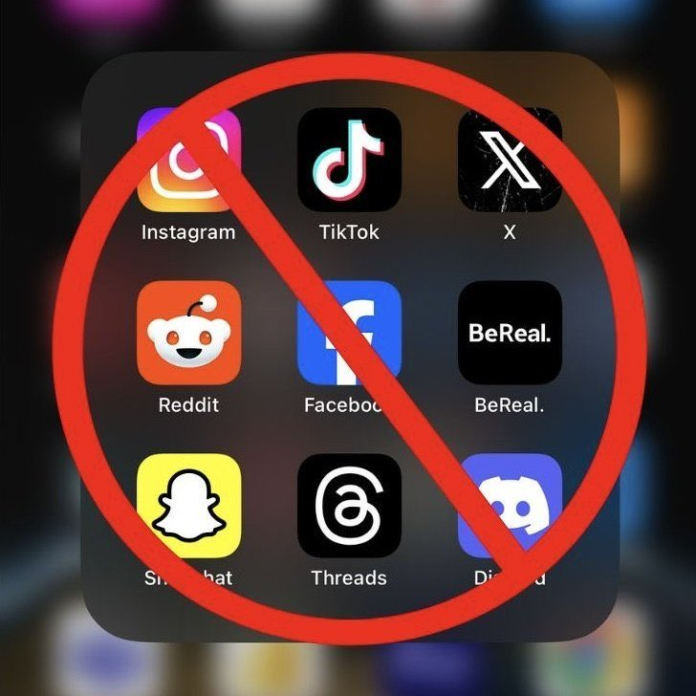
The UK government’s decision to ban children under 16 from accessing platforms such as TikTok, YouTube, Instagram and other social media sites by next spring has triggered a heated debate among scientists, researchers, educators and parents. While supporters argue that the move will protect young people from harmful online content, many experts question whether there is enough evidence to justify such a sweeping restriction.
Video workflow note: for planning short-form video production, this CapCut video editor features is a useful related reference.
What Is the UK’s New Social Media Ban?
Prime Minister Sir Keir Starmer has announced plans to prohibit under-16s from accessing major social media platforms in an effort to address growing concerns about children’s mental health, online safety and excessive screen time.
The proposed ban would make the UK one of the most restrictive countries in the world when it comes to children’s access to social media, following similar measures introduced in Australia.
Why Are Experts Questioning the Ban?
Many researchers acknowledge that excessive screen time and problematic social media use can negatively affect young people’s wellbeing. However, they argue that there is still limited evidence proving that a blanket ban will significantly improve mental health outcomes.
Scientists point out that while social media has been linked to issues such as body image concerns, cyberbullying, exposure to harmful content and excessive “doomscrolling,” establishing a direct cause-and-effect relationship remains difficult.
Several studies have found associations between heavy social media use and poor mental health, but researchers say the evidence is not yet strong enough to conclude that social media itself is the primary cause of anxiety, depression or other psychological problems among teenagers.
What Does the Evidence From Australia Show?
Australia introduced similar restrictions on social media access for young users, making it a key case study for policymakers worldwide.
However, early assessments have focused primarily on enforcement and access issues rather than measuring long-term mental health outcomes. Researchers say it is still too early to determine whether the restrictions have produced meaningful improvements in children’s wellbeing.
Many experts had hoped the UK government would wait for more comprehensive evidence from Australia before implementing a nationwide ban.
Can Children Easily Circumvent the Ban?
One of the biggest concerns raised by critics is enforcement.
Recent polling conducted by the Molly Rose Foundation found that 70 percent of children who continued using restricted platforms reported that bypassing age restrictions was “easy.”
This has led experts to question whether a ban can be effectively enforced in practice. Many argue that determined teenagers can often find ways around age-verification systems through VPNs, alternative accounts or access via family devices.
Parents and Schools Face Practical Challenges
The announcement has also sparked debate among parents and educators.
Some critics argue that responsibility for children’s online activity should primarily rest with parents rather than governments. They point out that parents typically purchase smartphones, pay mobile bills and set household rules regarding internet use.
Others have raised concerns about age-related inconsistencies. For example, if one student turns 16 early in the academic year while classmates remain underage, questions arise about unequal access to digital tools and platforms within the same classroom.
Schools have also expressed concerns about implementation. Many educational institutions increasingly rely on online platforms and social media channels to share homework, assignments, announcements and learning resources.
Could Other Countries Follow the UK’s Lead?
The UK’s decision is likely to be closely watched by other countries considering similar restrictions.
Questions remain over whether nations such as Canada and New Zealand might adopt comparable policies and how such bans would operate across jurisdictions, including overseas territories and Crown Dependencies. Policymakers may also face challenges when young people travel abroad and gain access to platforms unavailable to them at home.
The Bigger Debate: Ban or Make Social Media Safer?
The controversy highlights a broader policy question facing governments worldwide: should children be protected through outright restrictions or through stronger regulation of technology companies?
Many experts favour making social media platforms safer by improving content moderation, strengthening age-appropriate design standards and reducing exposure to harmful material rather than imposing blanket bans.
Supporters of this approach argue that online platforms are now deeply integrated into education, communication and social life, making complete exclusion difficult to enforce and potentially counterproductive.
What Happens Next?
The success of the UK’s proposed ban will largely depend on its implementation, enforcement mechanisms and long-term impact on children’s wellbeing.
As policymakers move forward, researchers will be closely monitoring evidence from both the UK and Australia to determine whether restricting access to social media can genuinely improve mental health outcomes or whether alternative approaches may prove more effective.
For now, the debate remains far from settled, with experts, parents and educators divided over whether a social media ban is the solution—or simply a difficult-to-enforce response to a much more complex problem.