

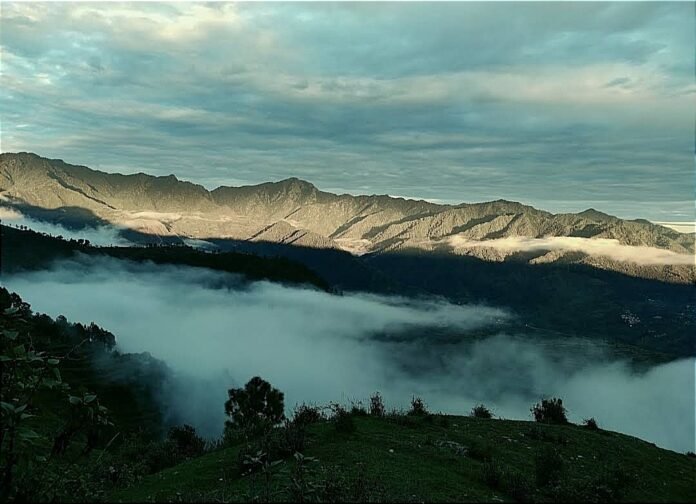
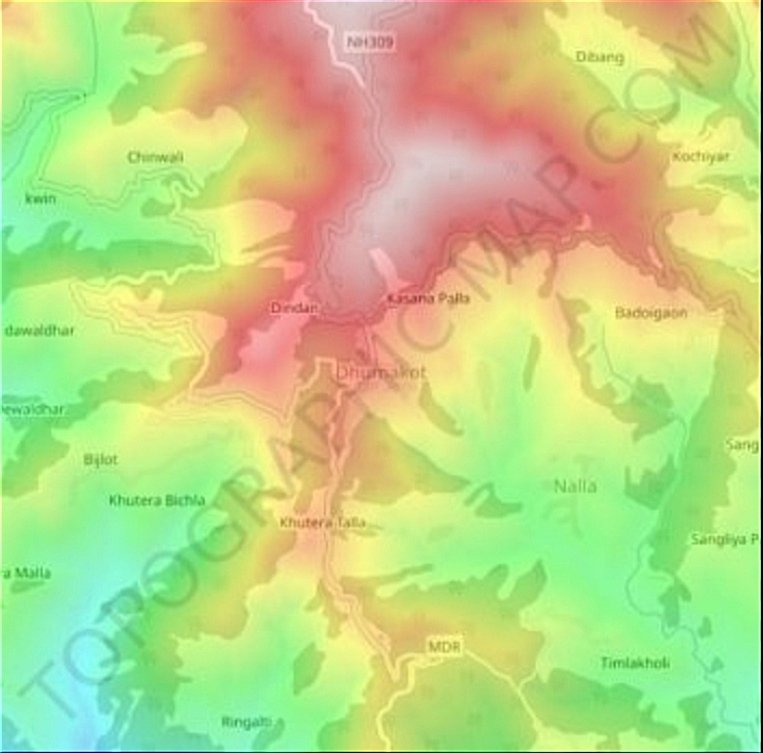
Himalayas have long been known for their snow-clad peaks, cool summers, and distinct seasonal patterns. From the sacred towns of Kedarnath, Badrinath, and Joshimath to the village of Dhumakot, situated at around 1,700 meters above sea level, generations have thrived in close harmony with the mountain environment. Yet, over the past few decades, the weather in Dhumakot and its surrounding villages has changed significantly, while Kedarnath, Badrinath, and Joshimath, at higher altitudes, still receive heavy snowfall, though even there, a gradual decline is visible.
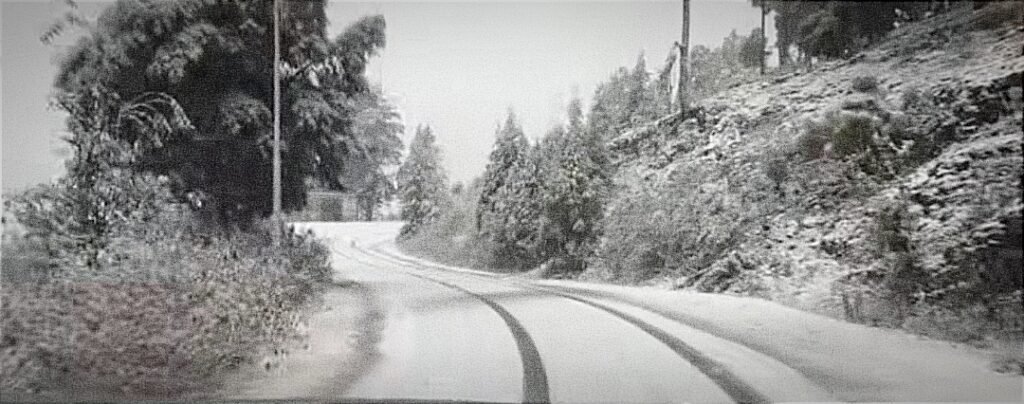
After the 1980s, Dhumakot saw a sharp decline in heavy snowfall. Residents recall winters when snow would reach their knees, transforming fields and streets into winter wonderlands. Today, snowfall in Dhumakot is rare, and when it occurs, it seldom accumulates. In contrast, when residents travel to Kedarnath, Badrinath, or Joshimath, they still witness heavy snowfall, but even there, they note a gradual reduction over time.
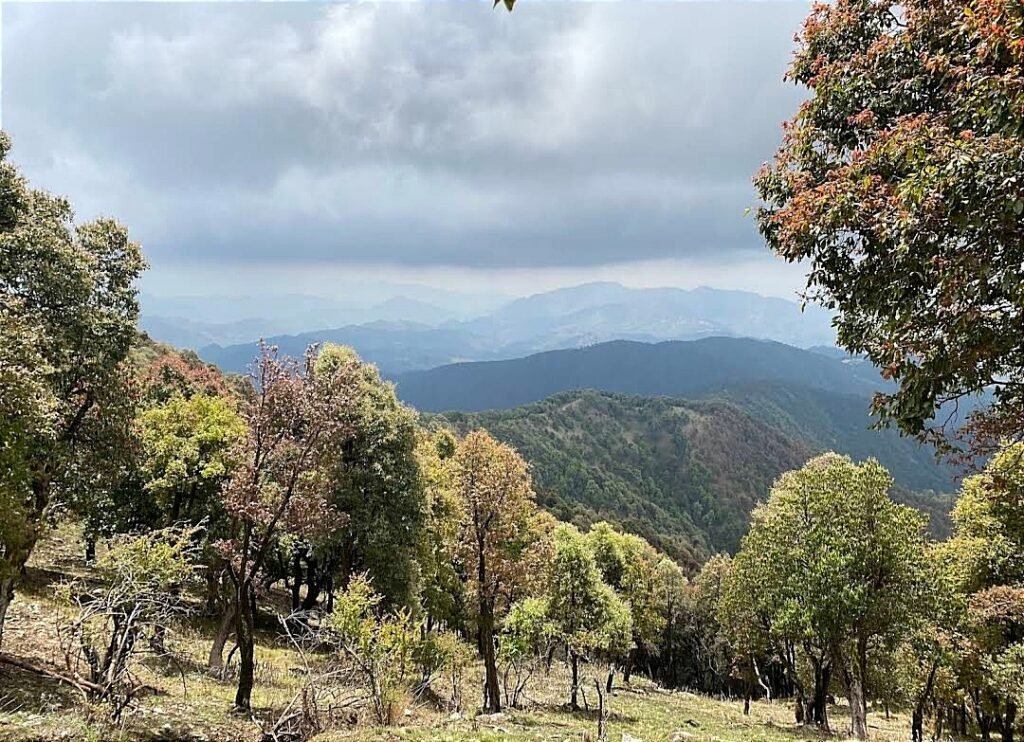
In fact, a noticeable shift in snowfall altitude has emerged. Decades ago, even regions as low as 800 meters above sea level saw snowfall in the Garhwal Himalayas. Now, even areas at 1,500 meters receive snowfall only sparingly. Though Dhumakot, at 1,700 to 1,800 meters, still sees snow that lingers, the nearby villages at lower altitudes are now witnessing rapid melting.
Beyond the mountains, the plains of Uttarakhand are also undergoing a dramatic transformation. Cities and towns such as Dehradun, Haridwar, Haldwani, Ramnagar, and Rishikesh, once known for their moderate climate, now experience heat waves akin to Rajasthan. Temperatures of 40 to 45 degrees Celsius are no longer rare in these foothill towns. This shift is driven by rapid urbanization, as more people from outside settle in the plains, leading to large-scale deforestation.
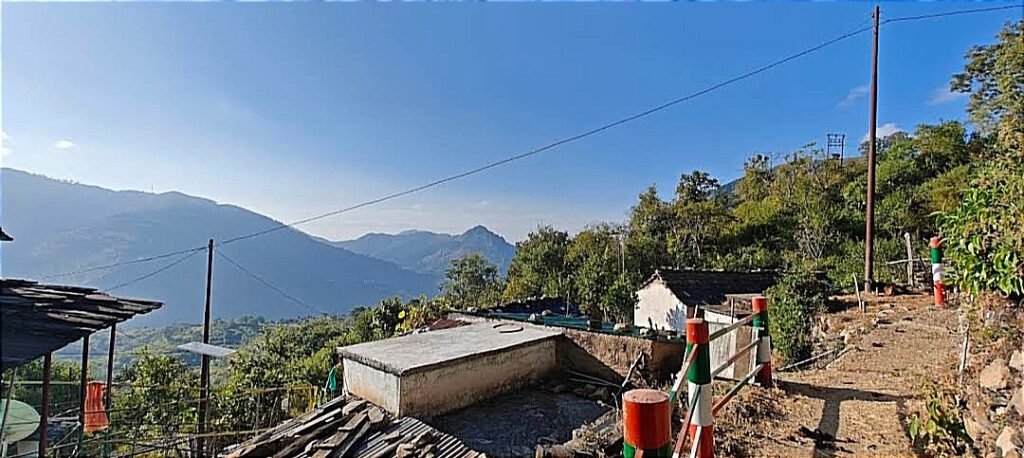
The trees that once shaded these towns and cooled the air are disappearing, and in their place, concrete sprawl traps heat, turning these regions into urban furnaces.These changes have had a real impact on life. Farmers in Dhumakot now limit their outdoor labor to the early morning hours, stopping by 10 a.m. as the rising heat makes working conditions intolerable. Once predictable, the climate now challenges the way of life. Yet, even as these changes unsettle traditional rhythms, the night skies in Dhumakot remain remarkably clear. Residents still see Dhruv Tara and the Saptarishi Mandal gleaming in the night, a testament to a still-pure air that contrasts with the rising temperatures.
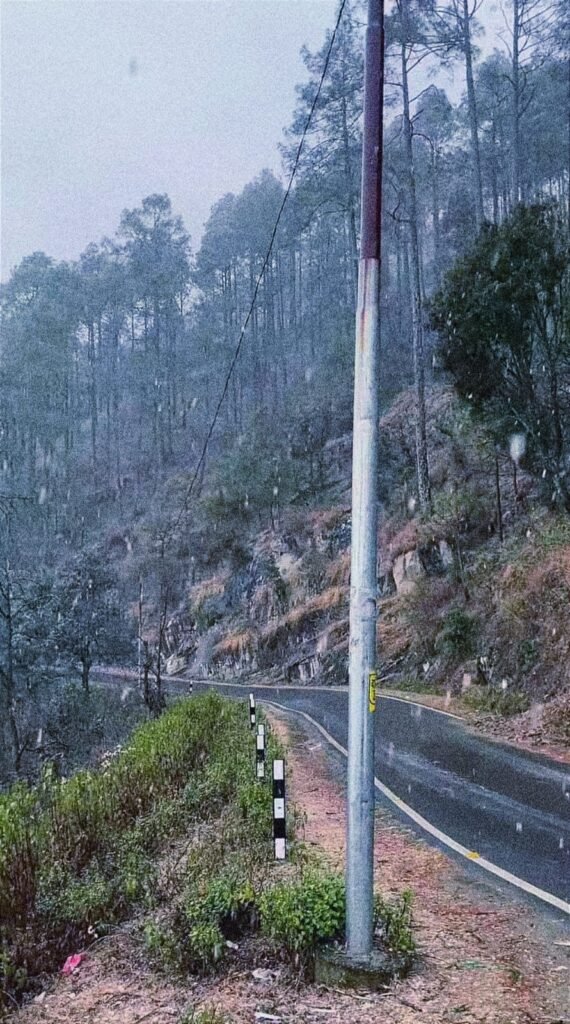
The snow may no longer reach our knees, but the lessons carried by these changing mountains remain more relevant than ever.
(The Writer of this article is Prashant Dhyani, XII Arts, APS, Jaipur)