

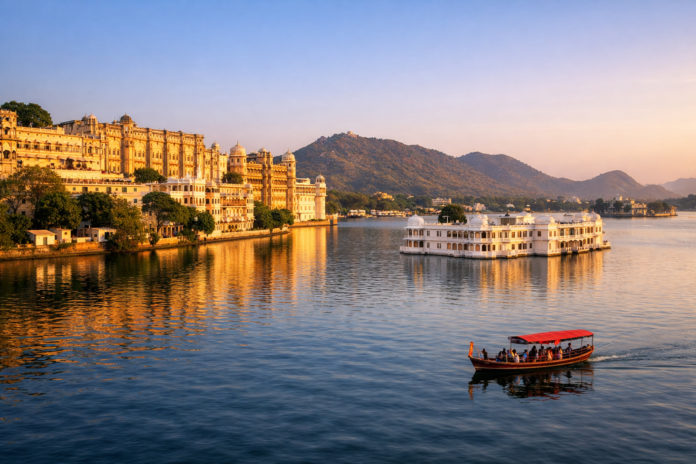
Udaipur’s identity is inseparable from its lakes. Lake Pichola, Fateh Sagar, Swaroop Sagar, Rang Sagar, Doodh Talai and Udai Sagar are not just tourist attractions; they are the foundation on which the city was built. For centuries, this interconnected network of lakes and water bodies helped sustain life in a region that receives limited rainfall. Today, however, as Udaipur expands rapidly, an important question is emerging: can the City of Lakes protect its water heritage while continuing to grow?
Over the last few decades, Udaipur has witnessed significant urbanisation. New residential colonies, hotels, commercial complexes and roads have transformed the city’s landscape. Tourism has flourished, property values have risen and the population has increased steadily. While this growth has contributed to economic development, it has also placed considerable pressure on the lake ecosystem.
One of the major concerns is the encroachment and degradation of catchment areas. These areas play a crucial role in collecting rainwater and channeling it into the lakes. As construction activity expands, natural drainage paths are often altered, reducing the amount of water that reaches the lakes. During years of weak monsoon rainfall, this challenge becomes even more apparent.
Water pollution is another issue that cannot be ignored. Although substantial efforts have been made to improve sewage treatment and waste management, concerns remain regarding the discharge of untreated wastewater, solid waste and urban runoff into lake systems. Such pollution affects water quality, threatens aquatic life and diminishes the ecological health of the lakes.
Tourism presents a similar dilemma. The lakes are central to Udaipur’s tourism economy and support thousands of jobs. Hotels, restaurants, boat services and local businesses all benefit from the city’s scenic waterfronts. However, increasing tourist footfall also generates more waste and places greater pressure on infrastructure. Balancing economic benefits with environmental protection is becoming increasingly important.
Climate change adds another layer of uncertainty. Rising temperatures, changing rainfall patterns and extreme weather events could affect water availability in the years ahead. The fluctuating water levels witnessed in recent years have highlighted the need for better planning and conservation measures.
Despite these challenges, there is reason for optimism. Government agencies, environmental groups and local communities have undertaken several initiatives to protect and restore the lakes. Desiltation projects, sewage treatment upgrades, plantation drives and awareness campaigns have all contributed to improving conditions in some areas. Experts also stress the importance of protecting catchment zones, strengthening environmental regulations and integrating conservation into urban planning.
The future of Udaipur’s lakes will depend on decisions made today. Development and environmental protection do not have to be opposing goals. With careful planning, responsible tourism and active public participation, the city can continue to grow without sacrificing the natural assets that define its character.
The lakes of Udaipur are more than a picturesque backdrop. They are living reminders of a remarkable water management system created centuries ago.
Preserving them is not only an environmental necessity but also a responsibility towards future generations. If the City of Lakes is to retain its identity, its lakes must remain at the centre of its vision for the future.