

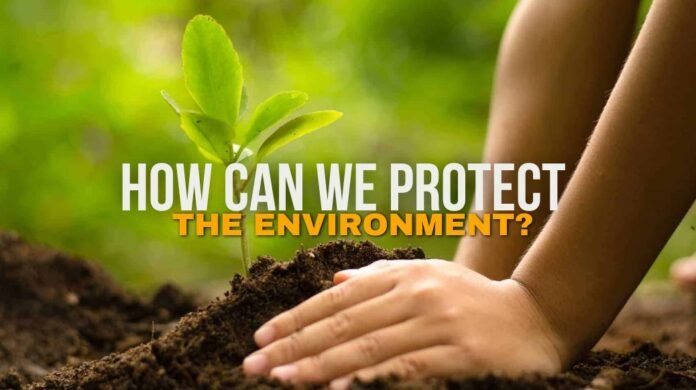
Protecting the environment is often seen as a challenge that requires large-scale government policies or technological breakthroughs. While these are important, the truth is that meaningful change also begins with everyday actions. As the world faces climate change, biodiversity loss, pollution, and resource depletion, small but consistent choices by individuals can collectively make a significant difference.
Windows workflow note: for maintaining a stable Windows setup, this Windows 11 driver updater guide is a useful related reference.
Here are 12 practical ways everyone can help protect the environment and contribute to a more sustainable future.
1. Reduce, Reuse, Recycle
One of the simplest environmental practices is to reduce waste. Buy only what you need, reuse items whenever possible, and recycle materials such as paper, glass, metal, and certain plastics. Reducing consumption helps conserve natural resources and lowers landfill waste.
2. Say No to Single-Use Plastics
Plastic bags, straws, bottles, and disposable cutlery often end up polluting rivers, oceans, and ecosystems. Carrying reusable bags, water bottles, and containers can significantly reduce plastic waste.
3. Conserve Water
Freshwater is a precious resource. Simple actions such as fixing leaks, turning off taps while brushing, harvesting rainwater, and using water-efficient appliances can help conserve water for future generations.
4. Save Energy
Switching off lights and electrical devices when not in use, using LED bulbs, and choosing energy-efficient appliances can reduce electricity consumption and lower greenhouse gas emissions.
5. Plant and Protect Trees
Trees absorb carbon dioxide, improve air quality, prevent soil erosion, and support biodiversity. Planting native trees and protecting existing forests are among the most effective environmental actions.
6. Use Sustainable Transportation
Walking, cycling, carpooling, and using public transport reduce fuel consumption and air pollution. For short distances, choosing a bicycle instead of a car can significantly lower your carbon footprint.
7. Support Renewable Energy
Solar, wind, and other renewable energy sources produce far fewer emissions than fossil fuels. Supporting clean energy initiatives helps accelerate the transition to a low-carbon future.
8. Reduce Food Waste
A significant amount of food produced globally is wasted. Planning meals, storing food properly, and consuming leftovers can help reduce waste and conserve the resources used in food production.
9. Choose Sustainable Products
Whenever possible, buy products that are environmentally friendly, recyclable, sustainably sourced, or certified by credible environmental organisations. Conscious consumer choices encourage responsible business practices.
10. Protect Wildlife and Biodiversity
Avoid purchasing products made from endangered species, respect wildlife habitats, and support conservation efforts. Healthy ecosystems are essential for maintaining the balance of nature.
11. Participate in Community Clean-Ups
Joining local clean-up drives for parks, lakes, rivers, beaches, or neighbourhoods not only improves the environment but also encourages collective responsibility and awareness.
12. Educate and Inspire Others
Environmental protection is most effective when communities work together. Sharing knowledge, promoting sustainable habits, and encouraging family and friends to adopt eco-friendly practices can multiply positive impacts.
Every Action Counts
The environmental challenges facing the world today can seem overwhelming, but solutions often begin with simple choices. Protecting the environment does not require perfection, it requires participation. By adopting sustainable habits and encouraging others to do the same, individuals can help create cleaner cities, healthier ecosystems, and a more resilient planet.
The future of the Earth depends not only on major policies and global agreements but also on the everyday decisions made by billions of people. Small actions, when multiplied across communities and countries, have the power to create lasting change.