

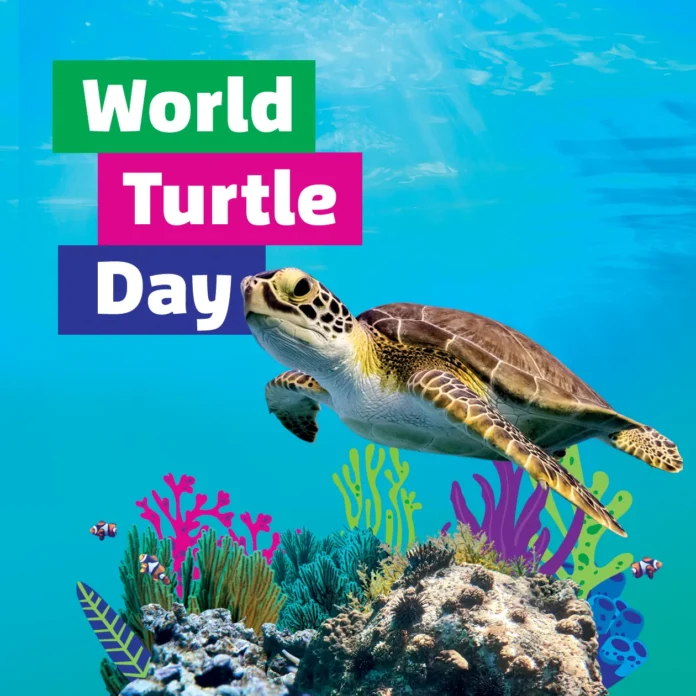
Every year on May 23, the world observes World Turtle Day, a global initiative dedicated to raising awareness about turtles and tortoises and the urgent need to protect them and their habitats. Established in 2000 by the American Tortoise Rescue organisation, the day highlights the importance of conserving one of Earth’s oldest surviving species, creatures that have existed for more than 200 million years.
Turtles and tortoises are often admired for their calm nature, distinctive shells and long lifespans, but they also play a crucial role in maintaining ecological balance. Sea turtles help preserve healthy marine ecosystems by controlling jellyfish populations and maintaining seagrass beds, while freshwater turtles contribute to clean aquatic environments by feeding on dead plants and animals. Tortoises, on the other hand, aid in seed dispersal and soil health in terrestrial ecosystems.
Despite their ecological importance, turtles across the world are facing increasing threats. Habitat destruction, climate change, plastic pollution, illegal wildlife trade, accidental fishing net entanglement and urban expansion have pushed many turtle species towards extinction. According to conservation organisations, more than half of the world’s turtle and tortoise species are currently threatened or endangered.
One of the biggest dangers for marine turtles is plastic waste in oceans. Mistaking floating plastic for food, turtles often ingest harmful materials that can prove fatal. Coastal development and artificial lighting also disrupt nesting patterns, especially for female turtles returning to beaches to lay eggs. Rising global temperatures further affect turtle populations, as temperature determines the sex of hatchlings in several species.
India is home to several important turtle species, including the Olive Ridley turtle, Leatherback turtle and Indian Roofed turtle. Odisha’s coastline, particularly Gahirmatha Beach, witnesses one of the world’s largest mass nesting events of Olive Ridley sea turtles every year, attracting global conservation attention. Wildlife authorities and environmental groups continue to work towards habitat protection, rescue operations and awareness campaigns to safeguard these species.
World Turtle Day is not just about celebrating turtles; it is also a reminder of humanity’s responsibility towards nature. Simple actions such as reducing plastic use, keeping beaches clean, supporting wildlife conservation and avoiding products made from turtle shells can contribute significantly to their survival.
Often called “living fossils,” turtles have survived dinosaurs, ice ages and millions of years of evolution. Yet today, their future increasingly depends on human action. Protecting turtles means protecting oceans, rivers and ecosystems that sustain life on Earth.