

A Year Since India’s Defining Response to Terror
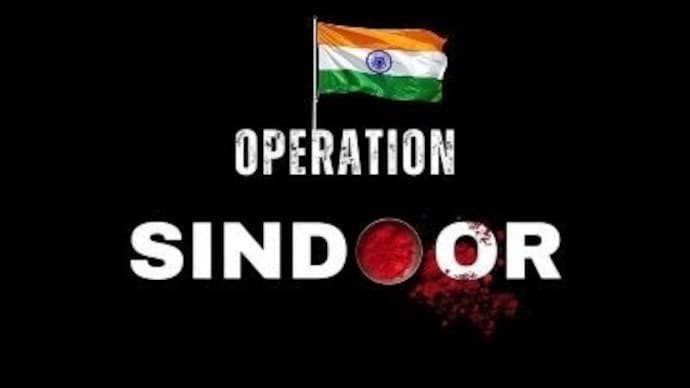
One year has passed since India launched “Operation Sindoor”, one of the most decisive military responses in the country’s modern history. Conducted in the aftermath of the horrific Pahalgam terror attack of April 2025, the operation was far more than a retaliatory strike. It became a symbol of India’s changing national security doctrine, military preparedness, and political resolve against terrorism.
On the first anniversary of Operation Sindoor, the operation is remembered not only for its strategic success, but also for the powerful message it sent to the world, that the blood of innocent Indians would not be ignored and terrorism would receive a strong and precise response.
The Pahalgam Terror Attack That Shook the Nation
The chain of events began on April 22, 2025, when terrorists attacked innocent tourists in the Baisaran Valley near Pahalgam in Jammu and Kashmir. Families visiting Kashmir during the tourist season suddenly found themselves caught in one of the deadliest civilian terror attacks in recent years.
According to multiple survivor accounts and reports, the terrorists allegedly identified victims on the basis of religion. Several eyewitnesses stated that the attackers forced tourists to recite the Kalma (an Islamic declaration of faith), and those who failed to do so were shot at point-blank range. The brutality of the attack horrified the country and triggered nationwide grief and outrage.
Twenty-six innocent people lost their lives, including tourists from different states and one local Kashmiri who reportedly tried to save visitors during the attack. The incident once again exposed the continuing threat of Pakistan-backed terrorism operating in Jammu and Kashmir.
India’s Swift Response: Birth of Operation Sindoor
India’s response came within days. In the early hours of May 7, 2025, the Indian Armed Forces launched Operation Sindoor, a coordinated tri-services operation involving the Indian Army, Indian Air Force, and Indian Navy.
The mission targeted terror infrastructure across Pakistan and Pakistan-occupied Kashmir. Unlike earlier retaliatory operations, Operation Sindoor was larger, technologically advanced, and executed with exceptional coordination between intelligence agencies and the armed forces.
Prime Minister Narendra Modi closely monitored the operation along with the national security leadership and top military commanders. The message was clear: India would strike terror at its roots and would no longer remain passive after attacks on civilians.
Why the Name ‘Sindoor’ Carried Deep Meaning
The name “Operation Sindoor” carried strong emotional symbolism. Sindoor, traditionally worn by married Hindu women, represents dignity, commitment, sacrifice, and is a symbol of martial life.
After the Pahalgam terror attack left several women widowed and families devastated, the name became a tribute to the victims and especially to the wives and mothers whose lives were shattered by terrorism. The symbolism touched millions across the country and transformed the operation from a military action into an emotional national moment.
It was not merely the name of an operation, it became a reflection of grief, justice, and national resolve.
The Military Power Behind the Operation
Operation Sindoor showcased the growing strength of India’s modern warfare capabilities. Reports suggest that the operation involved precision-guided missiles, advanced drones, loitering munitions, surveillance satellites, electronic warfare systems, and fighter aircraft working in coordination.
The Indian Air Force reportedly played a major role in carrying out deep precision strikes on terror launch pads and command centres. Indigenous defence systems developed under the “Atmanirbhar Bharat” initiative were also used extensively, highlighting India’s increasing self-reliance in military technology.
Military analysts described the operation as an example of “network-centric warfare,” where intelligence gathering, satellite surveillance, real-time communication, and strike capabilities were integrated seamlessly. Many experts noted that the operation reflected a new generation of Indian military preparedness based on speed, precision, and technology.
Terror Camps and Infrastructure Destroyed
According to reports and official briefings released after the operation, several terror launch pads, training camps, ammunition depots, and command facilities linked to Pakistan-based terror organisations were destroyed.
Major terror hubs associated with groups such as Lashkar-e-Taiba and Jaish-e-Mohammed reportedly suffered heavy damage. Strategic locations in Bahawalpur, Muridke, and areas across Pakistan-occupied Kashmir were among the primary targets.
India maintained that the strikes were carefully focused on terror infrastructure and avoided civilian areas, reinforcing the operation’s precision-oriented approach.
The Forces Behind the Success
While operational details remained classified, senior commanders of the Indian Army, Air Force, and Navy coordinated closely throughout the mission. Intelligence agencies and surveillance units also played a crucial role in identifying targets and ensuring accuracy.
Defence experts later praised the professionalism of the Indian armed forces and their ability to execute a complex operation within a short time frame. The operation highlighted the growing synergy between India’s military branches and showcased the country’s ability to conduct integrated warfare operations.
A New India’s Security Doctrine
Operation Sindoor became more than just a military strike, it marked a shift in India’s strategic mindset.
For years, India had faced cross-border terrorism while often exercising restraint. But Operation Sindoor demonstrated that modern India was prepared to respond decisively and with technological superiority. It reflected a nation that was confident in its military capabilities and determined to protect its citizens.
The operation also strengthened the image of India as an emerging defence power capable of carrying out precision operations while maintaining strategic restraint.
One Year Later: A Symbol of Resolve and National Unity
As India marks one year of Operation Sindoor, the memory of the Pahalgam victims continues to remain fresh in the nation’s conscience. Across the country, tributes have been paid to the victims, soldiers, intelligence personnel, and everyone involved in the mission.
Prime Minister Narendra Modi described Operation Sindoor as a “fitting response to terrorism” and praised the courage and professionalism of the armed forces. Military establishments also commemorated the anniversary by honouring the sacrifices and dedication of the personnel involved.
One year later, Operation Sindoor stands as a defining chapter in India’s fight against terrorism. It symbolises a modern, empowered, and resolute India, a nation that mourns its innocent citizens, honours its soldiers, and responds to terror with strength, precision, and determination.