

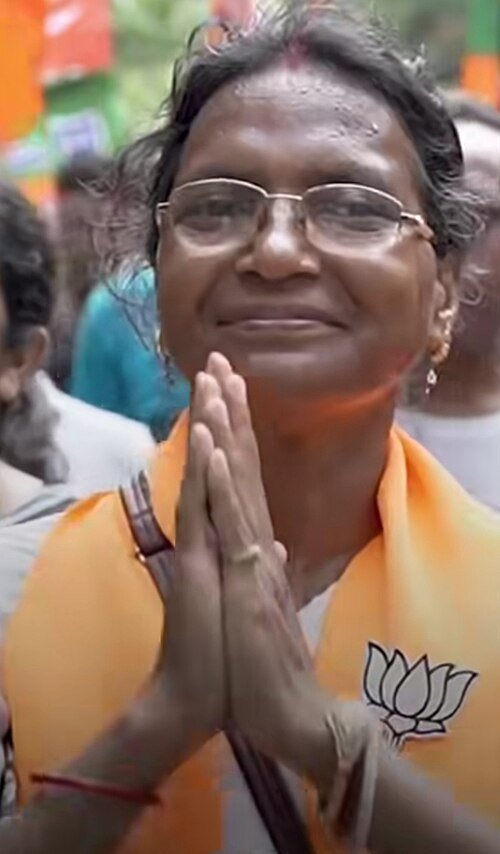
In one of the most emotionally charged contests of the 2026 West Bengal Assembly elections, Ratna Debnath, the mother of the RG Kar hospital rape victim, has stepped into electoral politics, transforming personal tragedy into a larger public campaign. Contesting from the Panihati constituency on a Bharatiya Janata Party (BJP) ticket, her candidacy has drawn widespread attention and stirred strong public sentiment.
Who is Ratna Debnath?
Ratna Debnath is not a traditional politician. Until recently, she was a private citizen whose life changed dramatically following the tragic death of her daughter in the RG Kar Medical College case, an incident that sparked outrage across West Bengal and beyond.
Her identity today is shaped by her relentless pursuit of justice. Over time, she emerged as a public voice demanding accountability, transparency, and systemic reform, particularly in issues relating to women’s safety and institutional responsibility.
Why She Entered Politics
Debnath’s entry into politics is deeply rooted in her personal loss. The RG Kar case became a rallying point for protests and debates over law and order in the state. For Debnath, contesting elections is not merely a political move—it is an extension of her fight for justice.
By joining the BJP and contesting from Panihati, she has positioned herself as a candidate representing victims’ voices and citizens seeking stronger governance. Her campaign has focused on:
●Women’s safety and justice
●Accountability of state institutions
●Law and order reforms
●Support for victims’ families
Her candidacy reflects a broader trend in Indian politics where individuals shaped by social or personal causes enter the electoral arena.
The Panihati Contest: A High-Stakes Battle
The Panihati seat has turned into a closely watched battleground in the 2026 elections. Debnath is facing strong competition from the ruling All India Trinamool Congress(TMC) and other parties, making the contest both politically and symbolically significant.
Her campaign has gained traction due to public sympathy, grassroots outreach, and strong backing from her party. The emotional resonance of her story has helped her connect with voters on a personal level—something that conventional political campaigns often struggle to achieve.
Latest Updates: Leading in Early Trends
According to the latest updates from counting trends, Ratna Debnath is currently leading in the Panihati constituency, marking a significant moment in the election.
Early leads suggest:
●A strong consolidation of votes in her favour
●Support cutting across sections of voters
●A competitive but favourable margin against her nearest rivals
However, as with all election counts, trends can shift, and the final outcome will depend on the complete tally.
Can She Win?
While it is still too early to declare a definitive result, several factors are working in Debnath’s favour:
●Emotional connect with voters due to her personal story
●High visibility campaign backed by the BJP
●Public discourse around justice and safety, which aligns with her narrative
At the same time, challenges remain:
●The strong organisational base of the ruling party in the region
●The unpredictability of voter turnout and final counting phases
If her lead sustains, Debnath could secure a landmark victory—one that would symbolize the entry of a citizen-activist into legislative politics.
A Symbol Beyond Politics
Regardless of the final result, Ratna Debnath’s candidature has already made a mark. It highlights how personal grief can evolve into public action, and how democratic spaces allow individuals to channel their struggles into systemic change.
Her journey—from a grieving mother to a political contender—has resonated with many, making this election not just about numbers, but about narrative, justice, and representation.
Conclusion
As counting continues in West Bengal, all eyes remain on Panihati. Whether converts her early lead into victory or not, her story has already added a powerful human dimension to the 2026 elections.
In a political landscape often dominated by seasoned leaders, her emergence signals something different—a reminder that democracy also belongs to those who step forward from the margins, driven by purpose and conviction.