

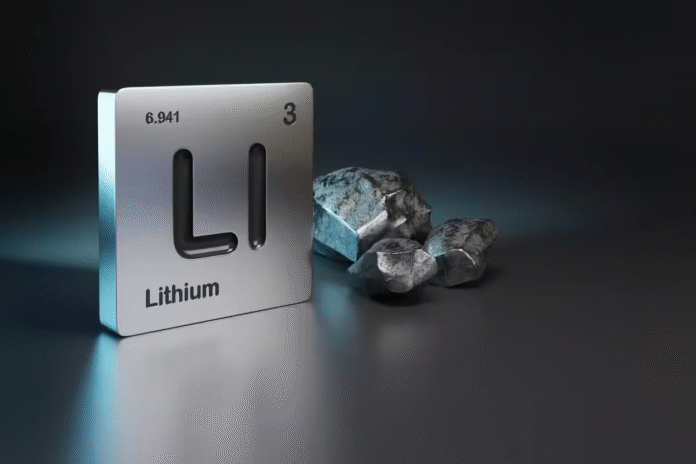
For laymen, lithium is simply a type of metal. For science students, it is a chemical element placed in Group 1 of the periodic table alongside sodium and potassium. For professionals involved in mineral exploration, lithium is a rare yet highly valuable resource. Today, this element has become a global focal point, raising questions about its availability, usage, and strategic importance.
Over the past decade, a major shift in the global transport scenario has significantly increased lithium’s relevance. As fossil fuels continue to deplete, countries worldwide have moved toward electric vehicles (EVs). In recent years, nations including India have accelerated EV manufacturing. These vehicles depend on high-performance batteries—primarily lithium-based—bringing lithium into the spotlight.
Lithium Demand and Rapid Growth of EV Industry
The rapid growth of the EV industry has triggered an unprecedented surge in demand for lithium-ion batteries. Consequently, exploration efforts intensified to locate lithium-rich regions. Historically, major lithium reserves have been concentrated in four countries: Chile, China, Australia, and Bolivia. These nations dominate the global lithium market, forcing countries like India to rely heavily on imports. This dependency has raised concerns—any disruption in supply could severely impact the automobile and technology sectors.
Lithium for Electric Vehicles
Lithium is not only essential for electric vehicles but also widely used in rechargeable batteries for mobile phones, laptops, and digital cameras. Additionally, it plays a role in non-rechargeable batteries used in pacemakers, toys, and clocks, as well as in heat-resistant glass and ceramics.
Geologically, lithium occurs in various rock types in the form of minerals. The most important lithium-bearing minerals include lepidolite and spodumene. In India, these minerals have long been known to exist in small quantities, particularly in mica belts and other regions, though not at levels sufficient to support large-scale industry.
Recognising its strategic importance, the Government of India, along with state governments, initiated exploration projects for rare earth elements and lithium after 2014. These efforts have begun to yield promising results. Recently, the Geological Survey of India (GSI) announced the discovery of significant lithium deposits in the Reasi district of Jammu & Kashmir, near Salal village, north of the Vaishno Devi temple.
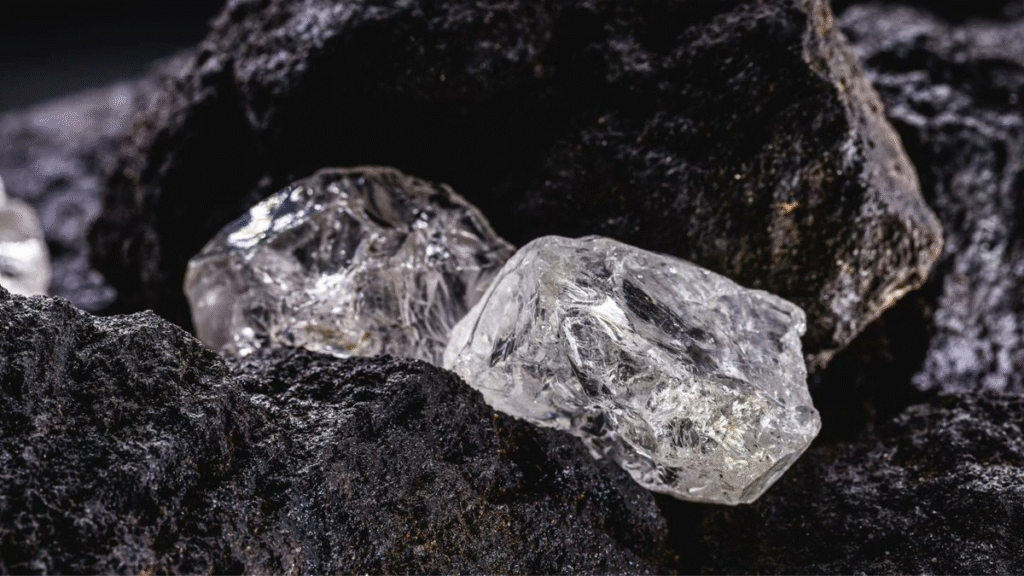
Explorations and Lithium Deposits in India
Preliminary surveys estimate these deposits at approximately 5.9 million tonnes. This discovery has been welcomed by both industry stakeholders and local communities. Mining and processing activities in the Salal region are expected to generate employment opportunities and contribute to regional economic development.
Exploration activities are also ongoing in Karnataka, Andhra Pradesh, Arunachal Pradesh, Chhattisgarh, and Jharkhand. In 2021, the Atomic Minerals Directorate (AMD) reported the presence of 1,600 tonnes of lithium-bearing resources in Karnataka.
A notable advantage of India’s newly discovered deposits lies in their lithium concentration. While global deposits typically contain around 220 ppm (parts per million), the Kashmir deposits reportedly contain approximately 500 ppm, making them comparatively richer.
Globally, lithium is often extracted from salt lakes, particularly in Chile’s desert regions. Similar efforts were made in Rajasthan’s salt lakes, but lithium concentrations there were found to be relatively low, around 20–30 ppm.
The Government of India has already initiated steps to begin lithium extraction in the Salal area. One key condition for companies participating in the project is the mandatory establishment of processing plants locally, ensuring additional employment and regional development.
Lithium Mining in Jammu and Kashmir
If successfully developed, lithium mining in Jammu & Kashmir could significantly reduce India’s dependence on imports and strengthen its position in the global lithium resource landscape. Current estimates suggest that India may rank among the top countries in lithium resources following this discovery.
However, from a geological perspective, caution is warranted. The current estimate of 5.9 million tonnes falls under the “inferred” category. Detailed exploration and further surveys are required to upgrade these resources to the “proved” category. It is also possible that more precise assessments could reduce the estimated reserves by 15–20%.
As a layman, this discovery is a matter of national pride and optimism. As a geologist, it represents a promising beginning—one that requires careful evaluation, scientific validation, and sustainable development.
(The writer is Rakesh Giri Goswami, Jodhpur, Rajasthan)