

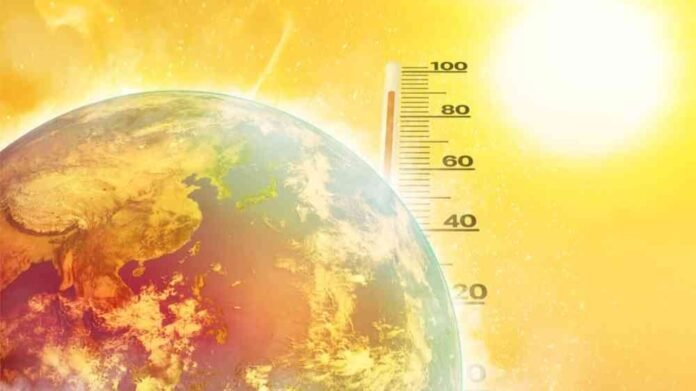
What is a Heatwave?
A heatwave is an extended period of abnormally high temperatures, often accompanied by high humidity, that pushes conditions beyond what is typical for a region. In India, the India Meteorological Department classifies a heatwave when temperatures exceed 40°C in plains or rise significantly above normal seasonal levels. These events are not just about discomfort—they can become serious public health emergencies.
The Science Behind Heatwaves
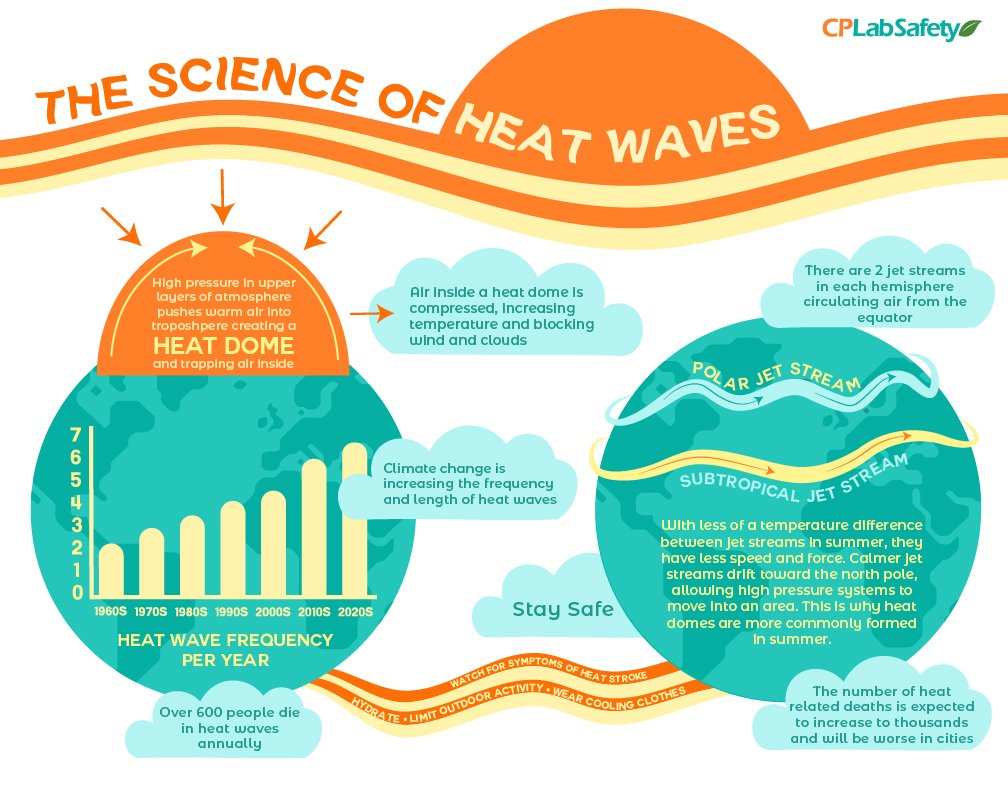
Heatwaves are primarily caused by persistent high-pressure systems in the atmosphere. These systems act like a dome, trapping warm air close to the Earth’s surface and preventing cooler air from circulating. Clear skies allow intense solar radiation to heat the ground during the day, while the trapped heat prevents cooling at night. This effect is closely linked to the Greenhouse Effects, which has been intensified by rising greenhouse gas emissions. Additionally, dry soil conditions reduce natural cooling through evaporation, and in cities, the Urban Heat Island Effect makes temperatures even higher due to heat-absorbing surfaces like concrete and asphalt.
The Present Scenario: A Warming World
In recent years, heatwaves have become more frequent, intense, and prolonged. Climate change is a major driver, altering global weather patterns and increasing baseline temperatures. Regions like India are witnessing earlier and longer summers, with record-breaking heat becoming more common. This not only affects health but also impacts agriculture, water availability, and energy demand.
How Heatwaves Harm the Body
Extreme heat disrupts the body’s ability to regulate temperature. Excessive sweating leads to dehydration and loss of essential salts. If the body cannot cool itself, it may result in heat exhaustion or heatstroke—a potentially fatal condition where body temperature rises dangerously high. Symptoms include dizziness, confusion, rapid pulse, and in severe cases, loss of consciousness.
Staying Safe: Precautions That Matter
Protecting yourself during a heatwave is crucial. Stay well-hydrated by drinking water and fluids like buttermilk or oral rehydration solutions. Avoid stepping out during peak afternoon hours, wear loose and light-colored clothing, and use hats or umbrellas when outdoors. Keep indoor spaces cool with ventilation, curtains, or fans. Most importantly, regularly check on children, elderly individuals, and those with health conditions.
Heatwaves may be a natural phenomenon, but their growing intensity is a warning sign. Understanding their science and taking simple precautions can make the difference between risk and resilience in an increasingly warmer world.