

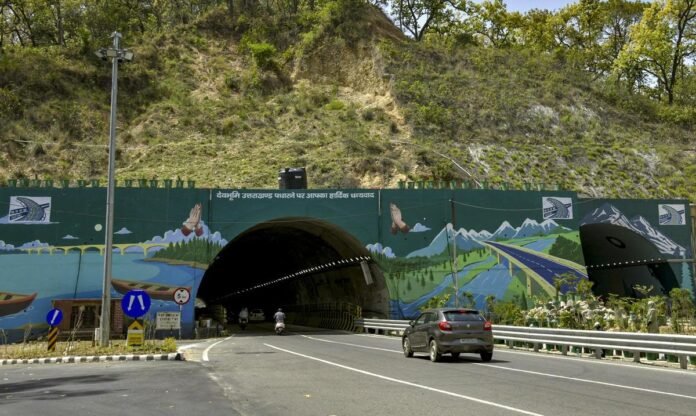
PM Modi Inaugurates Delhi–Dehradun Economic Corridor, Boosting Connectivity and Growth
Prime Minister Narendra Modi on April 14, 2026 inaugurated the Delhi–Dehradun Economic Corridor, marking a major leap in India’s infrastructure and connectivity landscape. The ambitious project is set to transform travel, tourism, and economic activity across northern India.
Stretching over approximately 210–213 kilometres, the six-lane, access-controlled corridor has been developed at a cost of over ₹12,000 crore. It connects Delhi with Dehradun through parts of Uttar Pradesh and Uttarakhand, significantly enhancing regional mobility.
One of the most notable features of the corridor is the drastic reduction in travel time. The journey between Delhi and Dehradun, which earlier took more than six hours, can now be completed in around 2.5 hours, offering faster and more efficient connectivity for commuters and tourists alike.
The corridor also stands out for its environmentally conscious design. It includes a 12-kilometre elevated wildlife corridor, one of the longest in Asia, along with multiple animal crossings to minimize human-animal conflict, especially in forest areas like Rajaji National Park.
Speaking at the inauguration, the Prime Minister highlighted the corridor’s role in boosting tourism, trade, and economic development. He emphasized that improved connectivity will promote year-round tourism in Uttarakhand, benefiting sectors such as hospitality, transport, and local businesses.
Beyond easing travel, the Delhi–Dehradun Economic Corridor is expected to decongest existing routes, improve logistics, and support industrial growth in the region. It also enhances access to key destinations, including pilgrimage routes like Char Dham, further strengthening its strategic importance.
The project reflects India’s growing focus on modern, sustainable infrastructure that balances development with environmental protection. With advanced features, improved safety, and faster transit, the corridor is poised to redefine connectivity between the national capital and Uttarakhand.
More than just a highway, the Delhi–Dehradun Economic Corridor represents a vision of integrated development—bringing together speed, sustainability, and economic opportunity for millions.