

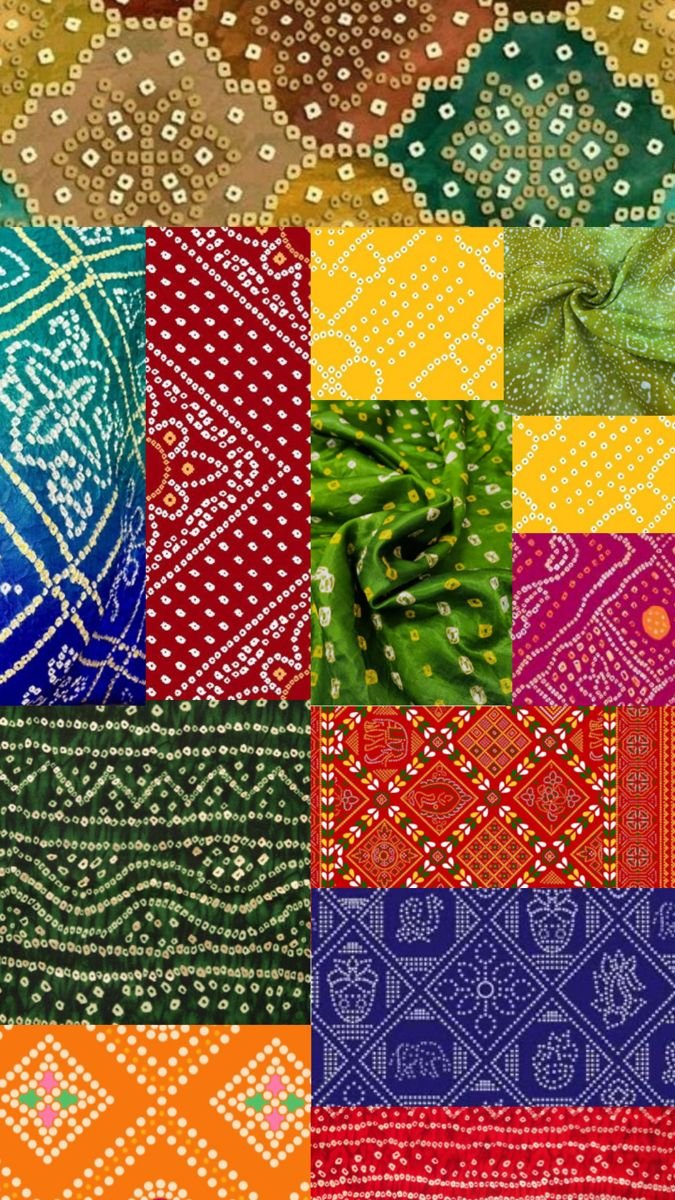
Bandhani, also known as Bandhej, is one of India’s oldest and most visually striking textile traditions. Rooted deeply in the cultural fabric of states like Rajasthan and Gujarat, this intricate tie-and-dye technique is far more than decoration—it is a living heritage passed down through generations.
A Journey Through Time: History and Origin
The history of Bandhani dates back over 4,000–5,000 years, with early traces found in the Indus Valley Civilisation. Ancient texts and archaeological evidence suggest that resist-dyeing techniques were already practiced during this period.
Over centuries, Bandhani found mention in historical accounts, including those from the time of Alexander the Great, which described India’s beautifully dyed cotton fabrics. Murals in the Ajanta Caves (6th century) also depict dotted patterns resembling Bandhani, proving its long-standing presence in Indian art and culture.
Regions and Cultural Roots
Bandhani flourished primarily in Gujarat and Rajasthan, where it continues to thrive today. Cities like Jamnagar, Bhuj, Jaipur, Jodhpur, and Udaipur became prominent centres of this craft.
Traditionally practiced by communities like the Khatris, Bandhani was not just an art but a cultural identity. In Rajasthan, specific patterns and colours were even used to signify social status, community, or occasion—especially in turbans and bridal wear.
The Craft: How Bandhani is Made
What makes Bandhani unique is its highly skilled and labour-intensive process. The fabric—usually cotton, silk, or georgette—is first marked with a design. Artisans then pinch tiny portions of cloth and tie them tightly with thread, creating thousands of small knots.
The cloth is then dyed, and the tied sections resist the dye, forming intricate patterns once untied. This process may be repeated multiple times for multi-coloured designs. Traditionally, natural dyes like indigo and turmeric were used, though modern variations also include synthetic dyes for brighter tones.
Patterns, Colours, and Meaning
Bandhani is known for its distinctive motifs—dots (boond), waves (leheriya), spirals, and floral patterns. Each design carries symbolic meaning. For instance, red signifies marriage and prosperity, yellow denotes auspicious beginnings, and green represents growth and harmony.
These textiles are especially significant during weddings and festivals, where they are believed to bring good fortune and blessings.
Bandhani in Modern Times
Today, Bandhani has seamlessly adapted to contemporary fashion. While traditional sarees and dupattas remain popular, the craft now appears in kurtis, dresses, scarves, and even global fusion wear. Designers are experimenting with silhouettes and fabrics, bringing Bandhani to modern wardrobes while preserving its essence.
At the same time, there is renewed interest in sustainable fashion, leading to a revival of hand-crafted techniques and natural dyes—making Bandhani both eco-friendly and culturally relevant.
A Living Legacy
What makes Bandhani truly special is its individuality—no two pieces are ever exactly the same. Each knot, each pattern, reflects the patience and artistry of the maker. Even today, it remains a symbol of celebration, identity, and timeless beauty.
From ancient civilisations to modern runways, Bandhani continues to tie together India’s rich past with its evolving present—one knot at a time.