

A Fragile Calm After Weeks of Escalation
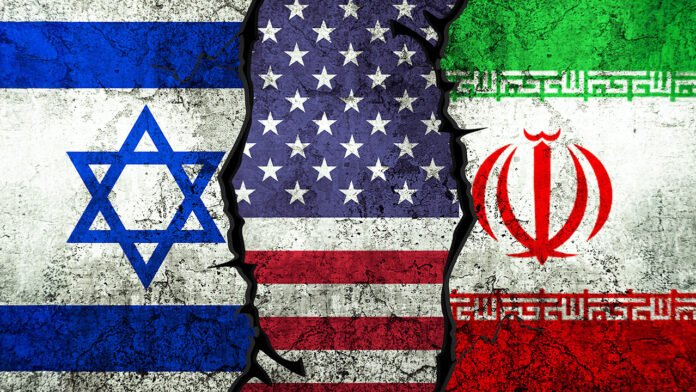
After pushing West Asia to the brink of a full-scale regional war, a temporary ceasefire between the United States, Iran, and Israel has brought a much-needed pause. Brokered at the last moment—just hours before a major escalation deadline—the agreement halts direct hostilities for two weeks. Yet, beneath this calm lies a tense and uncertain reality: this is not peace, but a strategic pause in an ongoing conflict.
The crisis had rapidly intensified with retaliatory missile and drone strikes, threatening to engulf the wider Middle East. One of the most alarming developments was Iran’s move to disrupt the Strait of Hormuz, a critical global oil artery. The ceasefire now ensures its reopening, restoring a key lifeline for global trade and energy supply. However, Israel has made it clear that its operations against Hezbollah in Lebanon remain outside the scope of the truce, leaving a significant front still active.
A War That Shook the World Beyond Borders
Even before the ceasefire, the impact of the conflict was felt far beyond the region. Global oil markets reacted sharply, with prices surging amid fears of prolonged disruption. The Strait of Hormuz, which carries a significant portion of the world’s oil shipments, became a symbol of how quickly geopolitical tensions can translate into economic shocks. As shipping routes stalled and insurance costs spiked, global supply chains faced renewed uncertainty.
The ceasefire has offered immediate relief. Oil prices have stabilised, stock markets have responded positively, and shipping activity is cautiously resuming. Yet, the aftershocks remain. Trade confidence, once shaken, does not return overnight. Major shipping firms are still wary, highlighting that economic recovery often lags behind diplomatic agreements.
The humanitarian cost has also been significant. Civilian evacuations, infrastructure damage, and airspace closures disrupted daily life across multiple countries. While the ceasefire has reduced immediate danger, sporadic alerts and tensions continue, reminding the world that stability remains fragile.
Diplomacy Returns to the Centre Stag
One of the most striking outcomes of this crisis has been the renewed emphasis on diplomacy. The ceasefire has opened the door for negotiations, reportedly to be held in the coming days, possibly in Islamabad. Iran’s proposed framework, often referred to as a multi-point plan, is expected to form the basis of these discussions, addressing contentious issues such as sanctions, nuclear activity, and regional security.
This moment also reflects a broader geopolitical shift. Countries like Pakistan have emerged as unexpected mediators, while global powers including European nations and China have pushed strongly for de-escalation. The crisis has reinforced a key lesson: military power may shape events, but diplomacy determines outcomes.
Unresolved Tensions Beneath the Surface
Despite the ceasefire, the underlying fault lines remain deeply entrenched. The long-standing dispute over Iran’s nuclear programme continues to divide Tehran and Washington. Israel’s security concerns, particularly regarding Iran-backed groups in the region, remain acute. The ongoing tensions in Lebanon further complicate the situation, raising the risk of indirect escalation even during the ceasefire.
Perhaps the biggest challenge is the lack of trust. Decades of hostility cannot be undone in a matter of weeks. Each side remains cautious, viewing the ceasefire not as a resolution, but as a tactical necessity. This trust deficit makes any long-term agreement difficult to achieve.
What the Ceasefire Means for the World
The significance of this ceasefire extends far beyond the immediate parties involved. For the global economy, it has provided a critical breather, preventing what could have been a severe energy crisis. For international diplomacy, it has reaffirmed the importance of negotiation in resolving even the most volatile conflicts.
At the same time, it has exposed the vulnerability of global systems. A regional conflict was enough to disrupt energy supplies, shake financial markets, and raise fears of a broader war. The interconnected nature of today’s world means that no conflict remains truly local anymore.
The Road Ahead: Between Hope and Uncertainty
The coming days will be crucial. If negotiations succeed, this ceasefire could evolve into a more comprehensive agreement, potentially addressing some of the core issues that have fuelled tensions for years. Such an outcome would not only stabilise the region but also restore a measure of global confidence.
However, a more likely scenario is an extended but uneasy pause, where tensions persist without erupting into full-scale war. The risk of renewed conflict remains ever-present, especially if any side perceives a violation or if proxy conflicts intensify.
In the worst-case scenario, the failure of talks could lead to a rapid return to hostilities, with far-reaching consequences for the region and the world.
Conclusion: A Pause, Not Peace
The U.S.–Iran–Israel ceasefire stands as a powerful reminder of both the dangers of modern conflict and the enduring necessity of diplomacy. It has averted immediate catastrophe and offered the world a moment to breathe. But it has also highlighted how fragile peace can be in a deeply divided geopolitical landscape.
Whether this pause becomes a turning point or merely a brief interlude will depend on what happens next. For now, the world watches closely—aware that the line between calm and chaos remains perilously thin.