

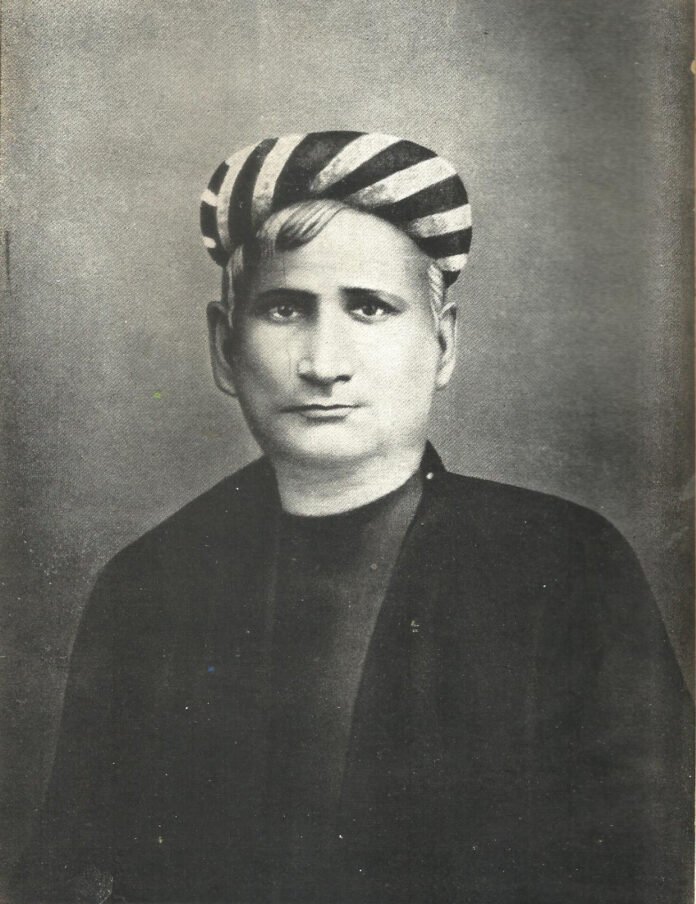
On this day, April 8, India pays tribute to one of its most influential literary figures and early nationalist thinkers, Bankim Chandra Chattopadhyay, whose passing in 1894 marked the end of an era but the beginning of a timeless legacy. His writings not only transformed Indian literature but also ignited a spirit of patriotism that would later fuel the country’s freedom movement.
A Life Rooted in Learning and Service
Born on June 27, 1838, in Naihati in present-day West Bengal, Bankim Chandra was among the first graduates of the University of Calcutta. He went on to serve as a Deputy Collector under British rule, a position of responsibility that placed him within the colonial administrative system. Yet, beyond his official duties, his true calling lay in literature and intellectual thought, through which he sought to awaken the consciousness of his people.
Architect of Modern Bengali Literature
Bankim Chandra Chattopadhyay is widely regarded as a pioneer of modern Bengali literature. At a time when Indian writing was still evolving, he introduced a new narrative style that blended storytelling with social commentary. His works addressed themes such as social reform, cultural identity, and moral values, making literature a powerful medium of change.
Among his most celebrated creations is the novel Anandamath (1882), which was inspired by the late 18th-century Sanyasi Rebellion. The novel stands as a landmark in Indian literary history for its portrayal of ascetic warriors fighting against oppression and for presenting the nation as a sacred mother figure.
The Song That Stirred a Nation
It was within Anandamath that Bankim gave India one of its most enduring symbols of patriotism—the song Vande Mataram. Written in a deeply evocative style, the song soon transcended the pages of literature to become a rallying cry for freedom fighters across the country.
Recognised officially as the National Song of India in 1950, Vande Mataram continues to hold a special place in the nation’s cultural and historical identity.
A Thinker, Editor, and Nation-Builder
Beyond his novels, Bankim Chandra also contributed significantly as a journalist and editor. Through his literary magazine Bangadarshan, he fostered intellectual discourse and encouraged a generation of writers and thinkers. His work helped shape a collective national consciousness at a time when India was still under colonial rule.
An Enduring Legacy
Bankim Chandra Chattopadhyay is remembered not merely as a literary genius, but as a visionary who used the power of words to inspire a nation. His writings instilled a sense of pride, unity, and devotion to the motherland—ideas that became foundational to India’s struggle for independence.
As the nation commemorates his death anniversary today, it is a moment to reflect on how literature can transcend time and circumstance. Bankim Chandra’s legacy lives on in every expression of national pride and in the enduring spirit of Vande Mataram—a song that continues to resonate in the heart of India.