

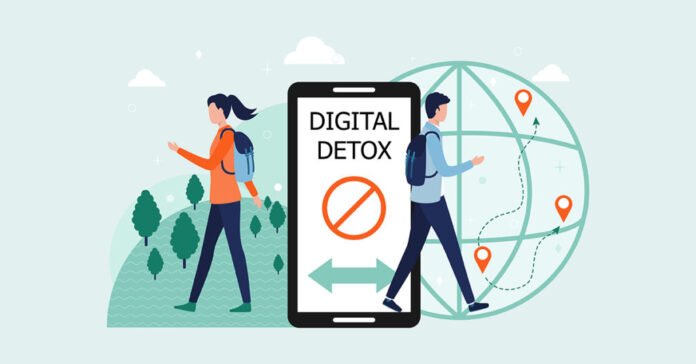
What is a Digital Detox?
In today’s screen-driven lifestyle, a digital detox has become more than just a trend—it is a conscious lifestyle choice. It refers to taking a deliberate break from digital devices such as smartphones, laptops, and social media platforms to reduce mental clutter and restore balance. Rather than abandoning technology, it encourages mindful and controlled usage.
Why is it Important Today?
We live in an era of constant notifications, endless scrolling, and the pressure to remain perpetually connected. This digital overload often leads to stress, anxiety, poor sleep, and reduced attention span. The human brain, not designed for continuous stimulation, begins to feel overwhelmed. A digital detox offers a much-needed pause, allowing the mind to reset and regain clarity.
Benefits of Unplugging
The advantages of a digital detox are both immediate and transformative. Mentally, it reduces stress and improves focus, helping individuals become more productive. Emotionally, it fosters mindfulness and a deeper sense of presence in everyday life. Physically, limiting screen time—especially before bed—enhances sleep quality by reducing exposure to blue light. Socially, it encourages meaningful, face-to-face interactions, strengthening relationships that often suffer in the virtual world.
A Necessity for Everyone
From students glued to online classes to professionals navigating remote work, digital dependence affects all age groups. Even children are increasingly exposed to screens at an early age. Therefore, adopting digital detox habits is not optional—it is essential for maintaining overall well-being and preventing long-term health concerns.
How to Practice a Digital Detox
A digital detox does not require extreme measures. Small, consistent steps can make a significant difference. Start by setting screen-free hours, especially in the morning and before bedtime. Turn off unnecessary notifications and create “no-phone zones” such as dining areas. Replace screen time with offline activities like reading, exercising, journaling, or spending time in nature. Even short breaks from devices can have a powerful impact.
Conclusion: Disconnect to Reconnect
Ultimately, a digital detox is about reclaiming control over our lives. Technology is a powerful tool, but it should not dictate our time, attention, or well-being. By consciously unplugging, we create space to recharge, reflect, and reconnect—with ourselves, our surroundings, and the people who truly matter.