

Amid escalating tensions in the Middle East, a striking question has surfaced across media and social platforms: Can Iran shut down the global internet?
While the concern reflects genuine anxiety, the reality is more nuanced—and far less absolute.
Iran has already demonstrated its ability to severely restrict internet access within its own borders. By controlling key gateways, authorities can reduce connectivity to near zero, effectively isolating millions of users from the global web. This has been observed during periods of unrest and conflict, where communication with the outside world becomes extremely limited.
However, the idea that the Iran could shut down the global internet is factually incorrect. The internet is a decentralized system—a vast network of networks spread across continents. No single nation has the authority or capability to switch it off entirely.
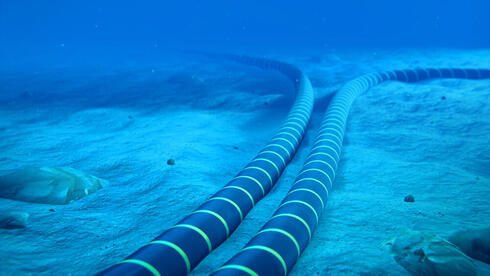
That said, the concern is not entirely unfounded. The region around the Strait of Hormuz plays a strategically important role, not just for oil trade but also for global connectivity. While most major undersea internet cables do not pass directly through the strait, several critical routes run through nearby waters in the Persian Gulf and Arabian Sea. These cables carry a significant portion of global data traffic.
In the event of military escalation, there is a risk of regional disruption—whether through accidental damage, targeted attacks, or broader instability. Such incidents would not shut down the internet worldwide, but they could slow down connectivity, disrupt services, and affect communication across multiple countries.
The real issue, therefore, is not a global blackout, but growing vulnerability. Modern conflicts increasingly extend into cyberspace and infrastructure, where even limited disruptions can have widespread consequences.
In conclusion, Iran cannot shut down the global internet. But the situation highlights a deeper reality: in an interconnected world, even regional tensions can ripple across global systems, making digital stability an increasingly critical concern.