

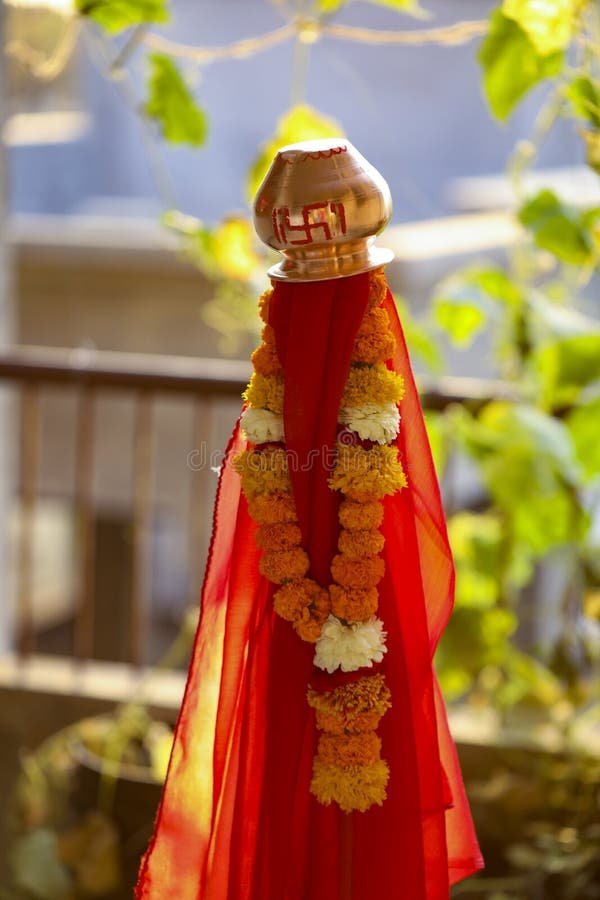
Celebrated with vibrant colours, cultural pride, and deep spiritual meaning, Gudi Padwa marks the beginning of the Hindu lunisolar New Year for Marathi and Konkani communities. Observed on the first day of the month of Chaitra (March–April), the festival coincides with the arrival of spring—a time when nature itself reflects renewal and new beginnings.
What is Gudi Padwa?
Gudi Padwa is more than just a festival—it is the start of a new cycle of time. It is widely celebrated in Maharashtra, Goa, and parts of western India, where families come together to welcome the new year with rituals, prayers, and festive joy.
The word ‘Padwa’ refers to the first day of the lunar fortnight, while ‘Gudi’ is a symbolic flag that represents victory, prosperity, and divine blessings.
Significance and the Stories Behind the Festival
Gudi Padwa holds layered significance—mythological, historical, and agricultural.
According to Hindu belief, this is the day when Lord Brahma created the universe and introduced the concept of time, making it an ideal moment for fresh beginnings.
Another popular legend connects the festival to the victory of Lord Rama over Ravana and his return to Ayodhya, symbolising the triumph of good over evil.
Historically, it is also linked to King Shalivahana’s victory and the beginning of the Shalivahana calendar, as well as the legacy of Chhatrapati Shivaji Maharaj , reflecting pride and cultural identity in Maharashtra.
At a deeper level, the festival marks the arrival of spring and the harvest of rabi crops, reinforcing its connection with nature and cycles of life.
Rituals and Traditions
The most iconic ritual of Gudi Padwa is the hoisting of the ‘Gudi’. A bamboo stick is draped with a bright cloth, decorated with neem and mango leaves, a garland of sugar crystals, and topped with an inverted copper or silver pot. This Gudi is placed outside homes as a symbol of victory and is believed to ward off negativity while inviting prosperity and good fortune.
The day begins with an early oil bath, followed by cleaning and decorating homes with rangoli and torans. Families prepare festive dishes and consume a mixture of neem leaves and jaggery, symbolising the acceptance of both bitter and sweet experiences in life.
Many households also perform special prayers and listen to the Panchang (Hindu almanac) to understand what the new year holds.
Celebrations at Home: A Glimpse from Pune
Beyond rituals described in texts, the true essence of Gudi Padwa lies in how it is celebrated within homes.
Sharing her experience, Akanksha Veer from Pune offers a glimpse into the warmth and enthusiasm of the festival:
“Gudi Padwa is a very special day for us. I prepare puran poli at home every year, and we also make the traditional sugar garlands. The children are dressed up beautifully in festive clothes, and the whole family celebrates together. We make it a point to wear new sarees or new outfits, and I even buy gold every year on this day—it feels very auspicious and brings a sense of new beginnings.”
Her words beautifully reflect how traditions are not just rituals, but lived experiences—passed down through generations and celebrated with love and joy.
Regional Celebrations and Cultural Spirit
While Gudi Padwa is most prominently celebrated in Maharashtra, similar New Year festivals are observed across India—such as Ugadi in Karnataka and AndhraPradesh, and Navreh in Kashmir —each reflecting regional traditions but sharing the same essence of renewal.
In cities like Mumbai and Pune, the festival is marked by colourful processions, traditional attire, music, and community gatherings, creating an atmosphere of joy and cultural pride.
A Festival Rooted in Renewal
At its heart, Gudi Padwa is a celebration of new beginnings, resilience, and optimism. It aligns human life with the rhythms of nature—when the earth renews itself, people too are encouraged to begin anew, with hope, clarity, and positivity.
More than a festival, Gudi Padwa is a reminder that every ending leads to a fresh start—and every new year carries the promise of growth and prosperity.