

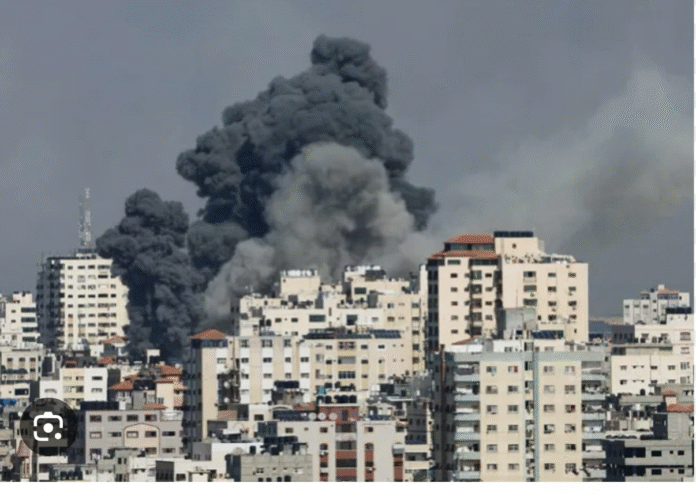
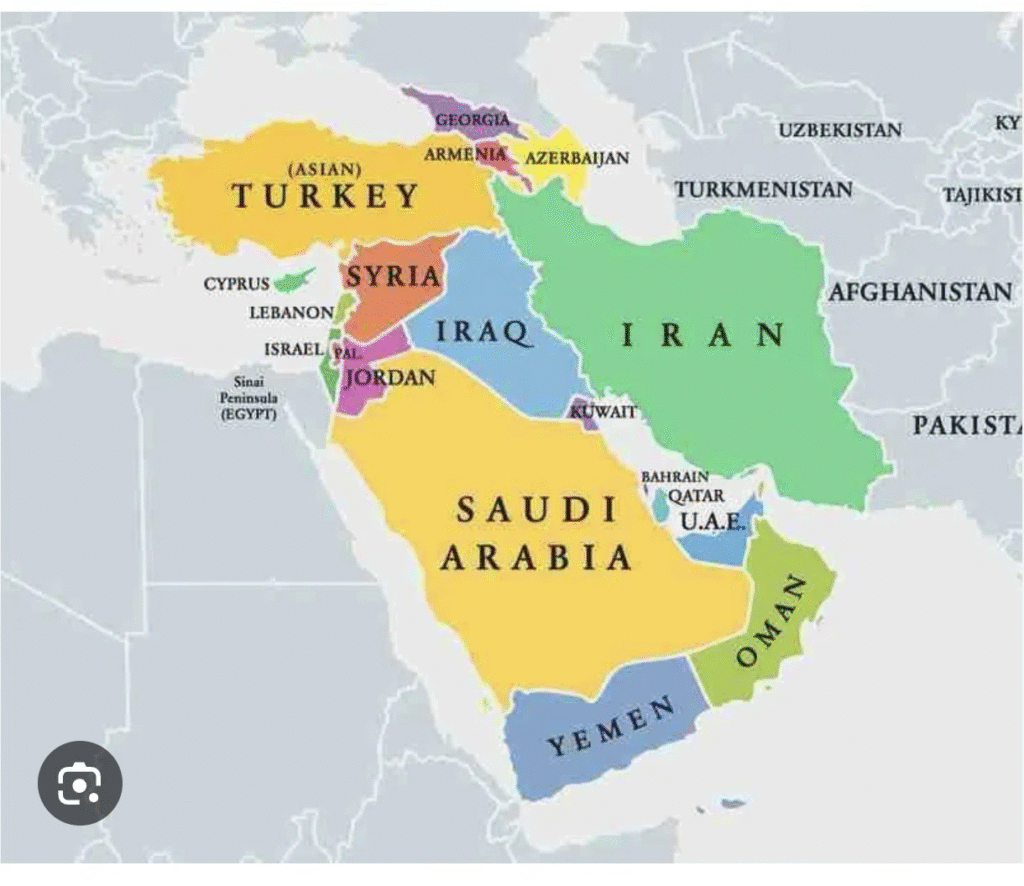
The escalating tensions involving Israel, Iran, and the United States have once again turned West Asia into a focal point of global geopolitical instability. As a region that controls vital energy supplies and trade routes, any conflict here quickly produces ripple effects across the global economy. For India, which maintains deep economic and strategic connections with West Asian countries, the consequences are already becoming visible in sectors such as industry, agriculture, and international trade.
Strategic Energy Routes Under Pressure
One of the most critical concerns arising from the conflict is the potential disruption of global energy routes. A large share of the world’s crude oil passes through the Strait of Hormuz, a narrow but strategically vital maritime corridor located near Iran. Any escalation that threatens this passage could push global oil prices upward. For India, which imports the majority of its crude oil requirements, such fluctuations directly translate into higher transportation costs, increased inflation, and pressure on the national economy.
Industrial Disruptions: The Case of Morbi’s Ceramic Sector
The consequences of the conflict are not limited to energy markets alone. India’s industrial sector has also begun to experience disruptions. The ceramic manufacturing hub in Morbi, widely recognized as the ceramic capital of India, has faced operational challenges due to irregular fuel supplies and rising energy costs. Since ceramic kilns require continuous high-temperature operations powered by natural gas or propane, supply interruptions have forced several units to temporarily halt production. Such disruptions threaten employment and export competitiveness in one of India’s key manufacturing clusters.
Agricultural Concerns: Rising Fertilizer Costs
The agricultural sector is also vulnerable to the indirect effects of geopolitical instability. Fertilizers such as Urea and Diammonium Phosphate (DAP) rely heavily on natural gas and global supply chains. As energy prices rise and shipping routes become uncertain, fertilizer prices tend to increase in international markets. For Indian farmers, this translates into higher input costs, which could influence crop production decisions and affect agricultural profitability in upcoming seasons.
Trade Disruptions and the Rice Export Challenge
India is one of the world’s largest exporters of rice, particularly basmati rice, to West Asian markets. Countries such as Iran, Saudi Arabia, and the United Arab Emirates constitute important destinations for Indian rice exports. However, ongoing conflict in the region has complicated shipping logistics and payment mechanisms. These disruptions have slowed export activity and created fluctuations in domestic rice prices, highlighting the vulnerability of trade flows during geopolitical crises.
Broader Economic Implications
Beyond individual sectors, the conflict carries broader macroeconomic implications for India. Rising oil prices can increase the country’s import bill, widen the current account deficit, and exert upward pressure on inflation. At the same time, uncertainty in global markets may affect investor confidence and financial stability. These developments underline the interconnected nature of geopolitics and economic resilience in an increasingly globalized world.
Conclusion
The unfolding conflict in West Asia serves as a reminder that regional tensions can have far-reaching economic consequences. For India, the situation underscores the importance of strengthening energy security, diversifying trade partnerships, and building resilient supply chains. As global uncertainties continue to shape the international landscape, proactive economic and diplomatic strategies will be essential for safeguarding India’s long-term stability and growth.

((The article has been written by: Soniya Yadav, Student, Kanoria Mahila Mahavidyalaya)