

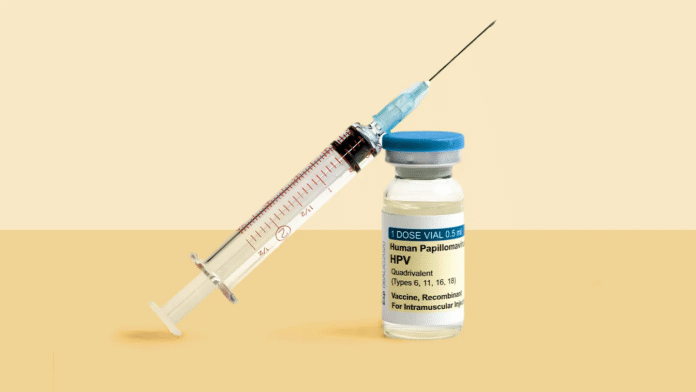
Human Papillomavirus (HPV) is one of the most common viral infections worldwide and a leading cause of several cancers, particularly cervical cancer. According to the World Health Organization, nearly all cases of cervical cancer are linked to persistent infection with high-risk HPV types, especially HPV-16 and HPV-18. HPV vaccines are designed to protect against these cancer-causing strains, as well as others responsible for genital warts and additional cancers of the throat, anus, and genitals.
Currently available vaccines, such as Gardasil 9, provide protection against nine HPV types, covering the majority of strains associated with cervical and other HPV-related cancers. These vaccines are most effective when administered before exposure to the virus, which is why health authorities recommend routine vaccination for adolescents, typically between 9 and 14 years of age. However, vaccination can also benefit older individuals who have not yet been immunized.
The significance of HPV vaccination extends beyond individual protection. Widespread immunization reduces virus circulation in the community, creating herd immunity and lowering overall cancer rates. In 2020, the World Health Organization launched a global strategy to eliminate cervical cancer as a public health problem, aiming for 90% of girls to be fully vaccinated by age 15, alongside screening and treatment targets.
Countries with high vaccination coverage have already reported dramatic declines in HPV infections and precancerous cervical lesions. With sustained vaccination, screening, and awareness efforts, cervical cancer, once a leading cause of cancer deaths among women, can become a preventable and potentially eliminated disease within this century.