

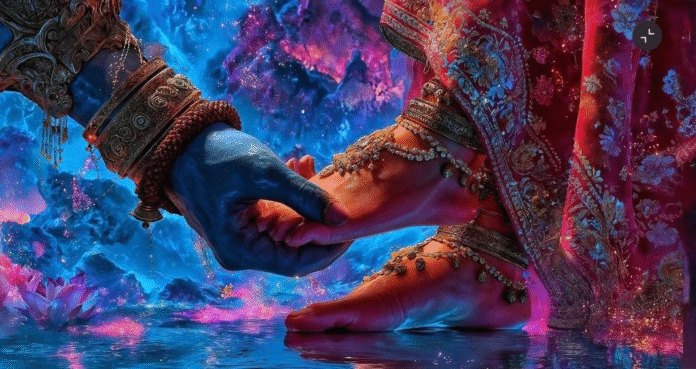
Maha Shivratri, known as the Great Night of Shiva, is one of the most sacred festivals in Hinduism. Falling between February and March according to the lunar calendar, the festival often coincides with Valentine’s season—but its message of love goes far beyond modern expressions of romance.
Maha Shivratri marks the divine union of Shiva and Shakti, the masculine and feminine cosmic energies that sustain and balance the universe. Their union is not just a mythological event but a profound symbol of harmony, equality, and spiritual completeness.
In an era where relationships are often fleeting, Maha Shivratri reminds humanity of eternal love that transcends the physical and touches the soul. The bond between Shiva and Shakti represents devotion, surrender, balance, and spiritual awakening—qualities that define love in its purest form.
The Story of Shiva and Shakti
According to Hindu mythology, Goddess Sati, Shiva’s first consort, sacrificed herself after being insulted by her father. She was later reborn as Parvati, and through intense penance and devotion, she reunited with Shiva. Their reunion symbolises love that survives death, rebirth, and time itself—an eternal spiritual partnership.
Cosmic Alignment and Spiritual Energy
Maha Shivratri is believed to be a powerful night due to planetary alignments that create a natural surge of energy in the human body. Yogic traditions say that staying awake, meditating, and chanting on this night helps elevate consciousness and spiritual awareness.
This is why sages and seekers consider Maha Shivratri an ideal time for sadhana (spiritual practice), meditation, and inner transformation. It is seen as a night to rise above material attachments and connect with higher consciousness.
A Night Beyond Rituals
Maha Shivratri is not just a religious observance—it is a celebration of divine love, cosmic balance, and spiritual awakening. It teaches that true love is not merely about emotion or attraction but about unity of soul, purpose, and energy.
As millions celebrate Maha Shivratri, it serves as a timeless reminder that love, in its highest form, is eternal, transformative, and deeply spiritual.