

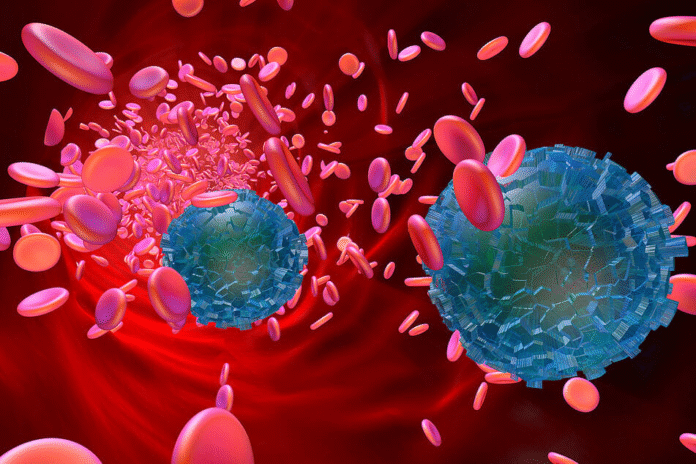
Small, everyday swaps can significantly cut your exposure to these hidden invaders lurking in food, water, and air-here’s how to start protecting yourself today.
Microplastics—tiny plastic particles found in food, water, and air—have been detected in human organs such as the lungs, brain, blood, and placenta. They enter the body through ingestion, inhalation, and skin contact. Studies suggest they may cause inflammation, oxidative stress, DNA damage, and hormonal disruption, as they can carry toxic chemicals like BPA and phthalates. Although human evidence is still limited, their widespread presence raises serious concerns about long-term health, fertility, and organ function.
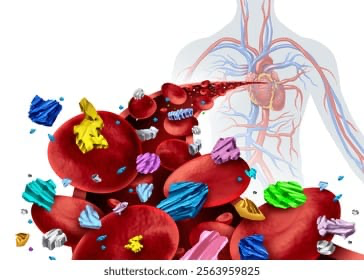
Here are some effective steps you can take right now to lower the amount of microplastics entering your system:
Ditch plastic containers for glass or metal alternatives
Switch to glass jars, stainless steel tins, or ceramic storage for food and leftovers. These materials don’t leach microplastics like plastic does, especially when storing or reheating meals.
- Never heat food in plastic packaging
Avoid microwaving or pouring hot items into plastic containers or wrap. Heat accelerates the release of microplastics and chemicals. Use glass or ceramic dishes instead for safe reheating.
- Opt for loose-leaf tea over plastic tea bags
Many tea bags (especially those sealed with plastic) release billions of microplastic particles into your cup when steeped in hot water. Switching to loose-leaf tea in a metal infuser or reusable strainer is an easy, effective change.
These small actions won’t make microplastics disappear entirely, but they can meaningfully reduce your daily intake. Start with one or two changes that fit your routine, and build from there. Your body-and the planet-will thank you for these mindful steps toward a less plastic-dependent life.
Microplastics in Our Bodies: Widespread Presence, Plausible Risks, Unproven Causation
Microplastics and nanoplastics are now confirmed in human blood, lungs, brain, placenta, breast milk, heart, and other organs, entering via ingestion, inhalation, and contact. Lab and animal studies show clear potential for inflammation, oxidative stress, DNA damage, hormone disruption (from additives like BPA/phthalates), and links to reproductive, developmental, cardiovascular, and other issues.
While some human observational data (e.g., microplastics in arterial plaque tied to higher heart risks) raise alarms, recent 2025-2026 critiques highlight contamination concerns in high-profile detections, methodological doubts, and no definitive causal proof in humans yet. This remains a serious emerging long-term concern warranting urgent research and exposure reduction, but not a settled health crisis.