

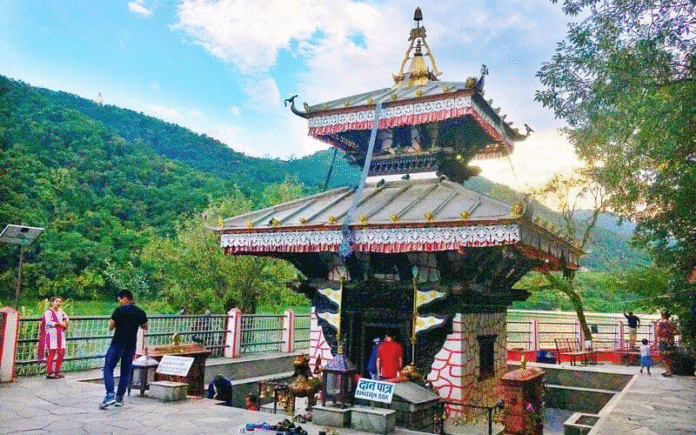
Nestled serenely on a small island in the heart of Phewa Lake (Fewa Lake) in Pokhara, Nepal, Tal Barahi Temple (also known as Barahi Temple or Lake Temple) stands as one of the city’s most iconic and cherished attractions. This two-story pagoda-style Hindu temple is a perfect blend of spirituality, history, and natural beauty, drawing pilgrims, devotees, and travelers alike. Accessible only by a short, scenic boat ride across the shimmering waters, the journey itself becomes a magical prelude to the sacred experience.
A Sacred Landmark in the Heart of Pokhara
Tal Barahi Temple stands as a two-story pagoda-style Hindu shrine surrounded by tranquil waters, creating a small, peaceful, and truly iconic ambiance.Accessible only by boat, it serves as a key pilgrimagespot for Hindus while offering breathtaking naturalbeauty to visitors from around the world.
A Glimpse into History
The temple’s origins trace back to the devotion of King Kulmandhan Shah of the Kaski Kingdom, who constructed or renovated it around the mid-19th century (some sources cite 1864 AD or Nepali Bikram Sambat year 1864/1416 BS). Built as a sacred shrine to honor Goddess Barahi following divine guidance-possibly through a dream-the structure has undergone renovations over time, including significant work in the 20th century. Today, it remains a vital pilgrimage site for Hindus, blending ancient reverence with Nepal’s rich cultural heritage.
Architectural Beauty in Pagoda Style
Tal Barahi exemplifies classic Nepali pagoda architecture, featuring two tiered roofs in a stepped pattern, constructed primarily from brick, stone, and intricately carved wooden struts. The temple’s pinnacle is crowned with a golden gajur (finial), a hallmark of Nepali temple design that gleams against the sky. The wooden carvings add ornate detail, while the overall design creates a harmonious, compact sanctuary amid the water.
The Legendary Tale of Goddess Barahi
Local folklore weaves a captivating story around the temple’s creation. Long ago, the area now occupied by Phewa Lake was a thriving village. One night, a goddess (in the form of an old woman) sought shelter and food but was turned away by most villagers-except for a kind, poor couple who welcomed her. The next morning, the couple awoke to find their village submerged under water, forming the lake, while their home stood miraculously untouched on what became the island.
In gratitude and recognition of the divine visitor as Goddess Barahi, they (or according to some versions, the king) established the temple there. Barahi, with her boar face and tusks, is believed to pierce evil forces, holding symbols like a cup and fish in some depictions. This legend ties the temple to themes of hospitality, divine protection, and the transformative power of faith.
Best Time to Visit for an Unforgettable Experience
The ideal months to visit are October to March, during the dry and clear season when the weather is pleasant, skies are blue, and views of the snow-capped Annapurna peaks are at their clearest-especially in October and November. Early mornings or late afternoons on weekdays provide the most tranquil boat ride across the lake, away from crowds.
For a deeper spiritual immersion, time your visit during major Hindu festivals like Dashain (September/October), when the temple buzzes with devotion, rituals, and fervor-though expect more visitors. The temple is open daily, typically from early morning to evening, making it accessible year-round, but avoid the monsoon (June-August) for smoother boating and better visibility.
A short boat ride from Phewa Lake’s shore leads to this serene island gem, where the lapping waves, chirping birds, and sacred ambiance create a truly magical atmosphere. Whether you’re a pilgrim seeking blessings, a traveler chasing scenic beauty, or someone drawn to Nepal’s spiritual lore, Tal Barahi Temple promises an unforgettable blend of faith, nature, and tranquility.