

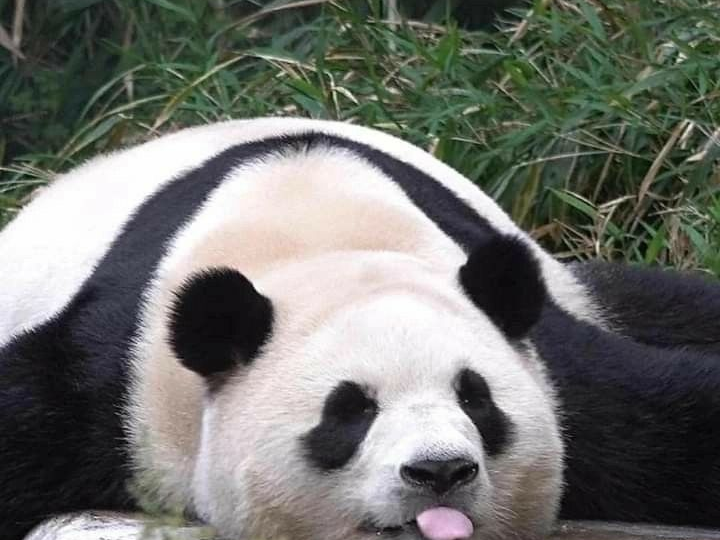
Giant pandas are adored around the world for their gentle appearance and rarity but very few people know that almost every panda outside China is technically owned by the Chinese government and that the presence of these animals in foreign zoos is not simply an act of goodwill, but a strategic diplomatic practice known as panda diplomacy. This unique practice ties wildlife conservation to international relations, soft power and national prestige.
China controls giant panda ownership globally
China is home to the only natural habitats of giant pandas, which live mainly in the mountainous forests of Sichuan, Shaanxi and Gansu provinces. Because of their uniqueness and cultural significance, the Chinese government retains ownership of nearly all giant pandas in the world. When pandas are seen in zoos abroad, they are usually there under long-term loan agreements, not permanent ownership.
How panda diplomacy works
Modern panda diplomacy dates back to the mid-20th century. In earlier decades, pandas were occasionally given as gifts to friendly nations. However, starting in 1984, China shifted its policy: instead of gifting pandas, it began leasing them on renewable contracts, typically around 10 years in duration. Zoos and institutions hosting foreign pandas pay significant fees sometimes around $1 million per year per panda pair and agree to specific terms set by Chinese authorities. Under these agreements, any cubs born abroad are considered the property of China and must be returned within a few years to contribute to conservation and breeding programs at Chinese research bases. This rule ensures that China maintains control over the species’ global lineage and reinforces the symbolic ownership of pandas.
Symbolism behind pandas as diplomatic tools
Pandas are more than just animals they are symbolic ambassadors of peace, friendship and cooperation. China has strategically loaned pandas to nations with which it seeks stronger ties or to celebrate diplomatic milestones. The arrival of pandas at a foreign zoo often corresponds with important state visits, strengthened bilateral deals or cultural exchanges.
Recent developments reflect changing geopolitics
For example, Japan recently returned its last pair of giant pandas to China after more than 50 years of hosting them, a move that has been linked to shifting diplomatic ties between Tokyo and Beijing. These developments illustrate how panda diplomacy continues to evolve with global politics.
Why China’s panda strategy matters
China’s control over giant panda ownership and movement combines soft power, conservation and international strategy in a way few other wildlife programs do. For other countries, hosting pandas is more than a tourist attraction; it is a symbol of friendship and diplomatic engagement with Beijing, anchored by agreements that underline China’s unique ownership rights over this beloved species.