

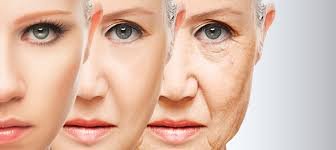
We’re used to treating ageing like something to fear, fight, or apologise for. Anti-ageing creams. “Still got it” compliments. Jokes about being “too old” for things we’re actually perfectly capable of doing. But what if the real issue isn’t getting older at all — it’s ageism?
Ageism doesn’t just show up in rude comments or workplace discrimination. It sneaks into our own thoughts. We absorb ideas about ageing from a very young age — from the media, from family, from the stories society tells about what older people are “like.” By the time we’re adults, many of us are already carrying around a mental rulebook about decline: slower, weaker, forgetful, irrelevant.
And here’s the surprising part: research suggests those beliefs can actually shape how we age.
Psychologists have found that people who hold negative views about ageing are more likely to experience worse physical health, poorer memory, lower confidence, and more loneliness as they get older. It’s not because ageing automatically causes these problems — it’s because people start limiting themselves. They stop learning, stop pushing their bodies, stop showing up socially, all because they think they’re “past it.”
This becomes a self-fulfilling prophecy.
On the flip side, people with positive attitudes toward ageing tend to feel younger than they are, stay more mentally sharp, and report higher life satisfaction. In one long-term study, those with positive age beliefs lived about seven and a half years longer on average than those with negative ones. Same bodies, same biology — different mindset.
One reason ageism is so powerful is something called stereotype threat. When people are reminded of their age before doing a task — say, a memory test or a physical challenge — they often perform worse. Not because they suddenly lost ability, but because anxiety kicks in. They’re aware of the stereotype, and the pressure messes with performance.
It doesn’t help that we tend to talk about ageing as if it’s a crisis. Phrases like “silver tsunami” make growing older sound like a natural disaster. But ageing is actually a sign of success — modern healthcare, safer living conditions, and better nutrition mean more people get to live longer lives. That’s an achievement, not a failure.
Of course, ageing isn’t the same for everyone. Some people face serious health challenges, and pretending otherwise doesn’t help. But the stereotype that most older adults are frail, dependent, or disengaged just isn’t true. Many live independently, stay active, volunteer, work, create, learn new skills, and contribute in meaningful ways well into later life.
Interestingly, ageism isn’t universal. In some cultures, older adults are deeply respected — seen as sources of wisdom, memory, and stability. Multigenerational households are common, social ties are strong, and older people stay integrated into everyday life. These communities often show better wellbeing and longevity, suggesting that how we treat ageing socially really matters.
So what can actually help?
One approach is simply noticing ageism when it appears — in jokes, advertising, healthcare decisions, or your own inner voice. Another is learning to blame ageism rather than ageing when unfair limits are placed on people. Being told you’re “too old” for training, treatment, or opportunity isn’t biology — it’s bias.
Finally, challenging stereotypes with real evidence helps. Older adults can and do build muscle, learn complex skills, improve memory, start businesses, change careers, and form new relationships. The human brain and body are far more adaptable than we give them credit for.
The truth is, ageing is one of the few experiences most of us will share if we’re lucky. Treating it like a flaw only