

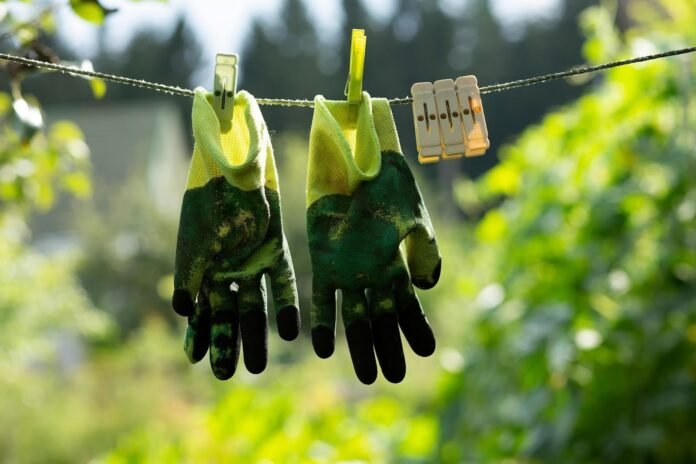
A tidy garden is not something that happens by accident, nor is it the result of one big effort each year. It is created through small, thoughtful actions taken consistently across the seasons. While every garden is different in size, style, and purpose, the principles of year-round tidiness remain largely the same. By understanding how your garden changes throughout the year and responding to those changes with regular care, you can maintain an outdoor space that feels welcoming, balanced, and manageable rather than overwhelming.
Approaching Spring
Spring is often the season that gets the most attention, and for good reason. After winter, gardens can look tired, cluttered, and neglected. Fallen leaves, dead stems, and winter debris tend to collect in beds and borders, making everything appear messier than it really is. Early spring is the ideal time to clear away this buildup, not only for visual reasons but also to give plants space and light to grow. Cutting back perennials, removing weeds before they establish deep roots, and refreshing paths and edges can instantly make the garden feel more organized. Tidiness in spring also sets the tone for the rest of the year, making later maintenance easier.
As plants begin to grow vigorously, it becomes important to stay ahead of disorder rather than reacting to it. Fast growth can quickly turn neat beds into tangled spaces if left unchecked. Regularly tying in climbers, supporting tall plants, and thinning overcrowded areas helps maintain structure and prevents collapse later in the season. Lawns also need consistent care during this period, as uneven growth and neglected edges can make even a well-planted garden look untidy. Simple habits such as mowing regularly and keeping borders clean go a long way toward maintaining a polished appearance.
The Summer
When it comes to summer, things are a little different, but you’ll still find that you are able to keep things moving quite easily. This is important to recognise, because it really does make a huge difference to how it all pans out. Summer brings abundance, color and energy, but it can also have a way of introducing chaos if you are not looking at maintenance specifically, so this is important for you to realise as well. Flowering plants may spill over paths and the like, and you’ll want to ensure you are taking great care of this in general.
Deadheading flowers usually encourages further blossoming and blooming, but also keeps beds looking intentional rather than overgrown. Likewise, you’ll want to make sure that you are thinking about how to approach weeding. This is best done little and often, and you are going to find that this helps to keep it down much more later in the summer and the next year too, so that is a really good approach to take all in all. During dry periods, watering thoughtfully rather than excessively helps the plants to look their best, and also means that you are going to have less water wastage, which is really important all in all of course.
It’s also during this time that you will want to start thinking about your lawn, and making sure that it is being looked after effectively. That means that you need to consider what kind of approach you are best to take. This might mean that you make use of a robot lawn mower, or it could be that you just want to do it yourself but with a much more conscious attitude. It’s all about making sure that you are approaching it right and that you keep on top of it. This is the kind of thing that is really going to make a world of difference all in all.
Dealing With Autumn
Let’s think now about autumn, which can be a whole other thing altogether, and is certainly something that you are going to want to make sure you are aware of. If you are doing this right, it could mean that you end up with a wonderful garden all of the next year, because the autumn is really a time to think about clearing out and generally encouraging the space for the next twelve months. If you can approach it like that, you are going to find that the end results are so much better.
Specifically, it’s important to think about it as a season of transition. Tidiness during this time is about preparation as much as appearance. Falling leaves are a major feature of autumn gardens, and while they can be beautiful, they can also quickly create a sense of disorder. Regularly clearing leaves from lawns and paths prevents damage to grass and reduces slipping hazards, while adding collected leaves to compost heaps or using them as mulch keeps them useful rather than wasteful. Cutting back plants that have finished flowering helps restore structure and prevents winter damage caused by wind or rot.
The Dormant Winter
Of course, winter is often seen as the dormant time of year, but that is not to say that nothing happens at this time. In fact, it plays a quiet role in maintaining tidiness. While the growth slows, clutter becomes more noticeable without the distraction of foliage and flowers, so this is something that is really going to prove really important to pay attention to. Winter is also the time for planning, because a tidy garden is easier to achieve when there is a clear vision behind it. You can therefore use this time to review what went well and what you could improve, and that could mean that you have a much better garden next year overall.
If you can bear those things in mind, you should find that your garden is going to be much sturdier all year round, and a much better place to be in general.