

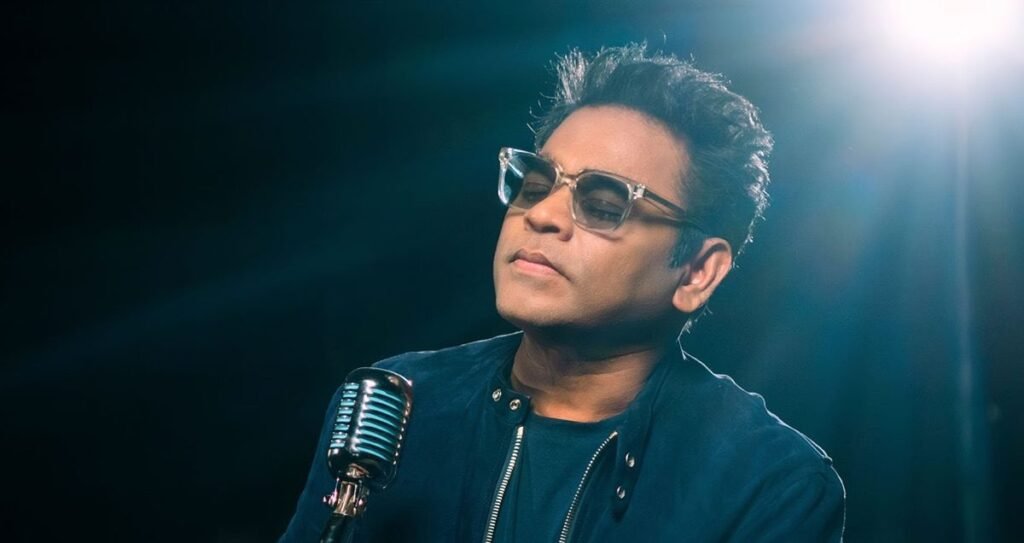
AR Rahman has long been seen as a rare unifying force in Indian music, admired across industries and languages for his innovation, humility and global impact. That is precisely why his recent comments on bias in Bollywood sparked such an intense reaction. What might have passed as a quiet personal observation quickly turned into a full blown debate on gatekeeping, creative monopolies and who truly gets space in the Hindi film industry.
What triggered the controversy
The discussion began after Rahman, in a recent interview, spoke about feeling sidelined in mainstream Bollywood despite his stature and success. He hinted at an ecosystem where a small group of filmmakers and composers repeatedly collaborate within familiar circles, leaving little room for others, even those with proven excellence. Rahman did not name individuals, but his suggestion that Bollywood operates within closed creative camps struck a nerve.
Backlash from industry voices and fans
Soon after the interview went viral, sections of the film industry and social media users pushed back. Critics argued that Rahman continues to work across films and remains one of India’s most celebrated composers, questioning whether his comments were fair. Some accused him of portraying himself as marginalised despite his international acclaim and strong legacy. The debate quickly polarised audiences, with opinions sharply divided.
Why many supported Rahman
At the same time, a large section of fans and industry observers rallied behind him. They pointed out that Rahman’s recent work has been more visible in regional cinema and international projects than in big banner Hindi films. Supporters argued that this reflects a broader pattern in Bollywood, where musical experimentation is often replaced by formula driven soundtracks, remixes and commercially safe choices. For them, Rahman’s remarks echoed what many artists quietly experience but rarely articulate.
A larger conversation on Bollywood’s music culture
Beyond Rahman as an individual, the controversy reopened questions about Bollywood’s evolving soundscape. Critics say the industry’s increasing reliance on trends and market algorithms has reduced space for composers known for depth and originality. Rahman’s artistic sensibility, rooted in innovation and cultural richness, may not always align with this shift.
Clarifications and lasting impact
Rahman later clarified that his remarks were not meant to attack Bollywood but to share his experience. Still, the episode has left an imprint. It has pushed the industry into an uncomfortable but necessary conversation about inclusion, creative freedom and whether merit alone truly shapes opportunity.In speaking up, Rahman reminded Bollywood that even legends can feel unheard and that genuine artistic growth demands openness, reflection and change.