

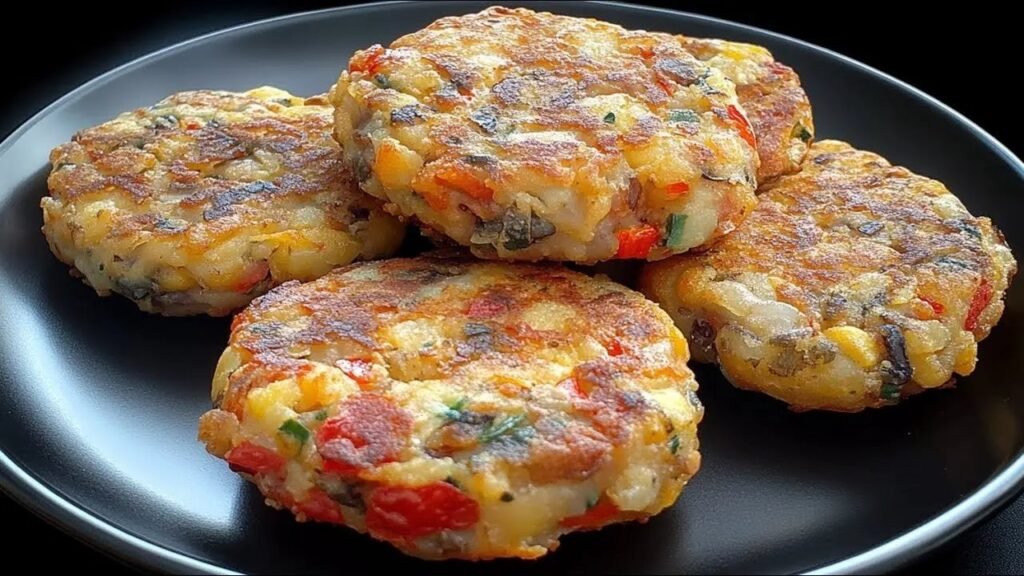
The heat you choose shapes the dishIn every kitchen, the flame matters as much as the ingredients. High heat and low heat both transform food differently, affecting flavour, texture and colour. Understanding when to use each technique can completely change the outcome of a dish.
High heat brings drama, speed and bold flavour
High heat is fast and intense. It creates that instant sizzle when meat touches a pan. This quick burst of heat causes browning and caramelisation, adding rich flavour and a crisp exterior.It’s ideal for searing, grilling, sautéing and stir-frying. Vegetables like bell peppers, mushrooms and broccoli also taste better with slight charring.But high heat requires attention leave it for a few extra seconds and the food can burn instead of brown.
Low heat builds depth, balance and tenderness
Low heat is slow and gentle. It is used when food needs time to soften or absorb flavours fully.Soups, dals, curries and stews develop richer taste when cooked slowly because spices release their aroma gradually.It’s also perfect for delicate items like eggs, fish and sauces, which can easily curdle or overcook on a strong flame.
Different foods need different heat styles
No single heat level works for everything. A steak needs a hot pan to create a crust, but biryani needs long, slow cooking so the flavours settle into each grain.Stir-fried noodles demand high flame, while beans and lentils require hours of gentle heating. Even everyday tasks like melting butter, tempering spices or reheating food change depending on the flame level. Low heat preserves texture, while high heat adds crispness.
Mastering heat makes you a better cook
Both techniques are essential. High heat gives food colour and crunch, low heat brings softness and depth.When you learn to switch between them confidently, you create meals that are flavourful, consistent and perfectly balanced.In the end, knowing how to control the flame is the real secret behind great cooking.