

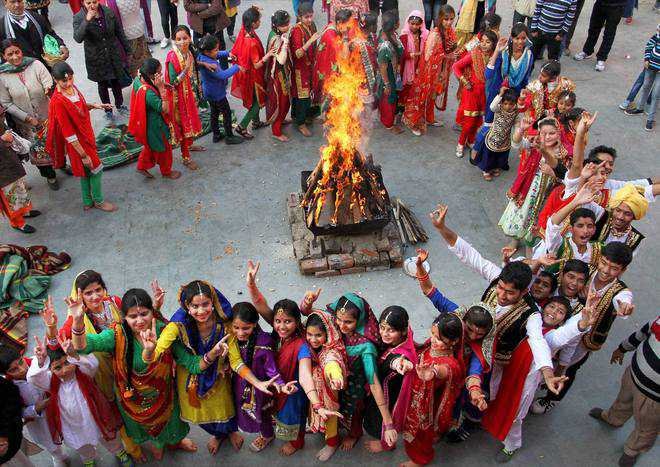
Lohri, one of India’s most spirited winter festivals, arrives each January with vibrant energy, crackling bonfires and deep-rooted cultural symbolism. Marking the harvest season and the end of winter’s peak, the festival blends history, devotion, community celebration and travel traditions making it an occasion celebrated with warmth across the country.
Legends that shaped Lohri’s identity
Lohri’s folkloric foundation is tied to the legendary Dulla Bhatti, a heroic figure who protected Punjabi girls from exploitation and helped arrange their marriages. His bravery is immortalized in the classic Lohri song “Sundar Mundriye”, sung around bonfires every year. Other cultural interpretations connect Lohri to ancient fire worship, symbolizing protection, purification and the triumph of light over winter darkness.
Significance of Lohri that goes beyond harvest rituals
The festival marks the harvesting of rabi crops like sugarcane and wheat, making it a moment of gratitude for farmers. But Lohri has evolved into a celebration of new beginnings especially for newly married couples and families with newborns. It signifies abundance, positive transitions and the arrival of longer, sunnier days after weeks of cold and fog.
Bonfires that bring people together
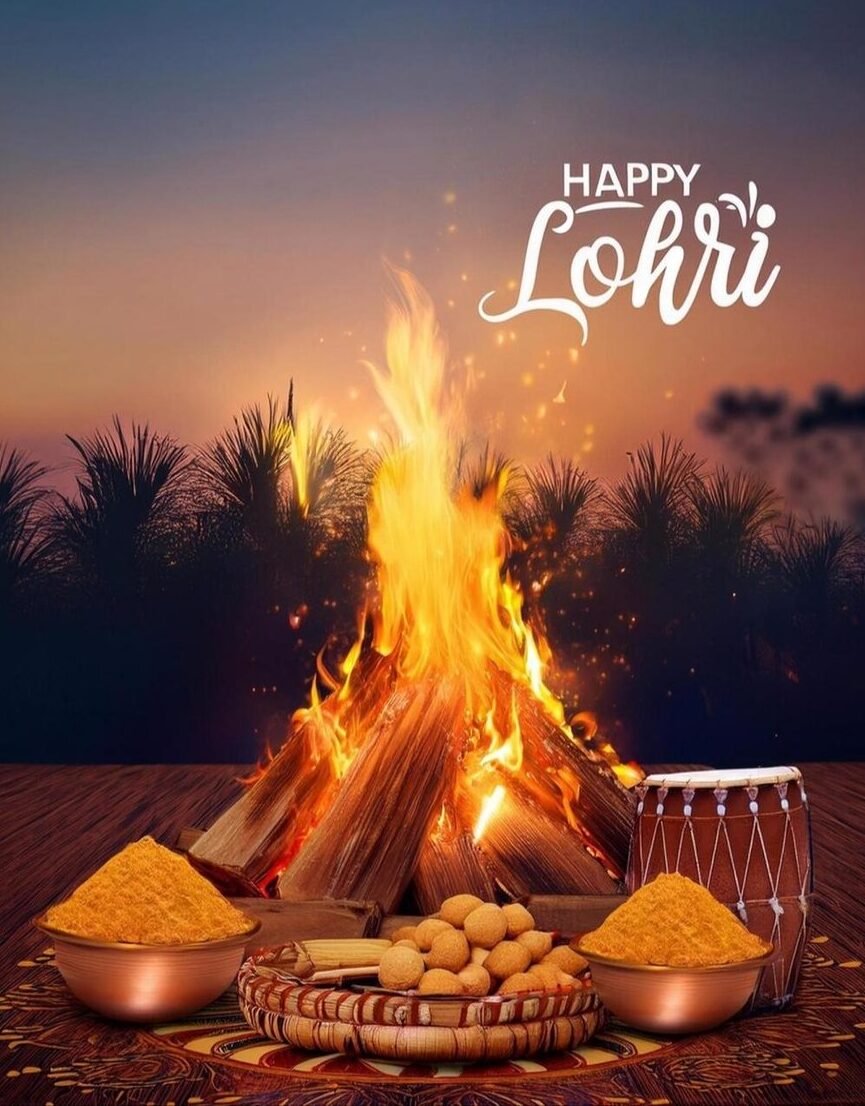
The heart of Lohri lies in the communal bonfire, lit at dusk in courtyards, parks, open grounds and village squares. People gather around it, offer til, gur, peanuts and popcorn into the flames and perform the ritual parikrama while singing folk songs. The atmosphere becomes festive with bhangra beats, gidda performances and rhythmic dhol that turns every gathering into a cheerful cultural celebration.
How different regions add their own flavour on Lohri
Punjab witnesses grand community events, from traditional village gatherings to massive city celebrations in Ludhiana, Amritsar and Chandigarh. Haryana and Himachal Pradesh celebrate with equal devotion, though with more rural customs. Meanwhile, metro cities like Delhi, Mumbai, Bengaluru and Hyderabad host themed Lohri nights, cultural performances and community bonfires creating a home-like atmosphere for North Indian families living away.
Where people travel during Lohri festivities
Many devotees start their Lohri morning with a visit to gurdwaras, especially the Golden Temple, which sees huge crowds offering prayers for prosperity. Cultural fairs and Punjabi melas attract families looking for festive activities. Resorts in Shimla, Kasauli, Patiala and Punjab’s countryside host Lohri-themed stays with bonfires, folk dance nights and traditional feasts-making these destinations a favourite for festive travel.
Lohri remains a festival of warmth, gratitude and community joy uniting people through stories, fire rituals and cultural pride across India.