

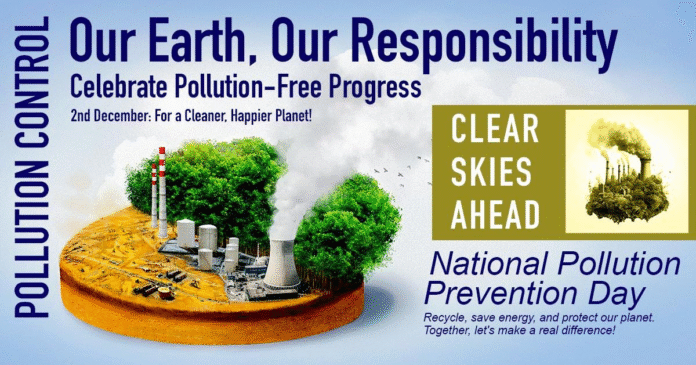
National Pollution Control Day is observed annually on December 2 to honour the memory of those who lost their lives in the Bhopal gas tragedy of 1984. The day serves as a reminder of the urgent need to reduce pollution levels and protect environmental and public health.
Marking the occasion this year, the Central Pollution Control Board (CPCB) released its latest nationwide air quality assessment. While several regions continue to struggle with rising pollution levels, the report highlights a group of cities that have successfully maintained clean air throughout the year.
Why Clean Air Matters
Clean air plays a crucial role in preserving public health. Poor air quality is linked to respiratory illnesses, cardiovascular diseases, persistent cough, and lifelong health complications. Children, the elderly and individuals with pre-existing medical conditions are particularly vulnerable.
Conversely, clean air improves lung function, strengthens immunity and enhances overall quality of life. Beyond human health, clean air also supports healthier soil, water systems and ecological balance.
Top 10 Cleanest Cities in India (2025 — CPCB Data)
According to CPCB’s latest findings, the following cities recorded the lowest pollution levels in the country:
- Aizawl, Mizoram
Known for lush greenery, low traffic, and strong community discipline. - Kohima, Nagaland
Maintains low pollution due to controlled construction and preserved natural spaces. - Shillong, Meghalaya
Dense forests and minimal vehicular pressure help keep air quality high. - Imphal, Manipur
Improved transport systems and emission control contribute to cleaner air. - Gangtok, Sikkim
Strict waste management and plastic bans play a key role. - Champhai, Mizoram
Limited industrial activity helps maintain natural air purity. - Lunglei, Mizoram
Protected landscapes and low commercial pollution ensure clean conditions. - Mandi, Himachal Pradesh
Waste management systems and favourable climate support good air quality. - Kottayam, Kerala
Surrounded by green cover and public environmental awareness. - Alappuzha, Kerala
The coastal ecosystem and community-driven cleanliness efforts keep the region pollution-free.
How CPCB Measures Air Quality
CPCB monitors air quality through continuous monitoring stations across the country. These stations record concentrations of pollutants such as PM2.5, PM10, nitrogen dioxide and sulfur dioxide. Cities with lower Air Quality Index (AQI) scores reflect cleaner, safer air.
A Call to Action
National Pollution Control Day serves as an important reminder that collective action — from governments, institutions and citizens — can create meaningful environmental change. The success of these cities demonstrates that clean air is achievable through sustainable urban planning, responsible lifestyles and effective emission control.