

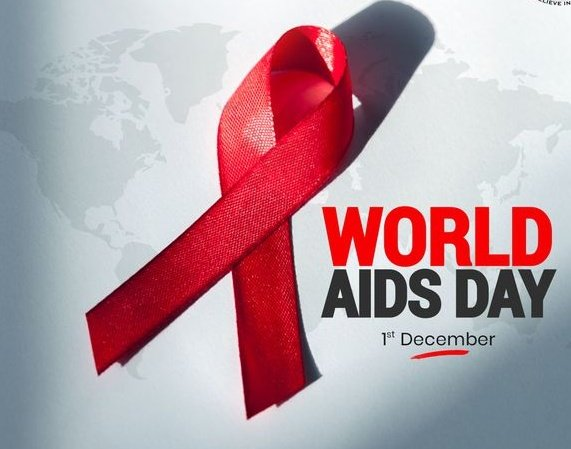
World AIDS Day is observed every year on December 1 to raise awareness about HIV/AIDS and support individuals living with the virus. The day serves as a reminder to educate communities, encourage testing, promote treatment, and eliminate stigma surrounding HIV. Despite scientific advancements, misinformation and stigma remain major barriers to achieving the World Health Organization’s goal of ending AIDS as a public health threat by 2030.
This World AIDS Day 2025, it’s time to bust myths and highlight facts.
World AIDS Day 2025 Theme
This year’s global theme is:
“Overcoming disruption, transforming the AIDS response.”
The theme aims to break the cycle of stigma, shame, and misinformation associated with HIV. Stigma often stems from outdated beliefs about how HIV spreads and how it affects the body.
Myth vs Fact: Understanding HIV
Myth 1: HIV and AIDS are the same.
Fact:
They are not.
- HIV (Human Immunodeficiency Virus) attacks the body’s immune system.
- AIDS (Acquired Immunodeficiency Syndrome) is the most advanced stage of HIV, occurring only when HIV is left untreated for years.
With modern treatment, an HIV diagnosis does not automatically lead to AIDS. Many people live long, healthy lives with timely treatment and monitoring.
Some individuals may also have dormant HIV, meaning the virus exists in the body but does not actively replicate — a challenge medical science is still working to fully address.
Myth 2: HIV spreads through casual contact.
Fact:
HIV is not transmitted through casual interactions.
It does NOT spread through:
- Shaking hands
- Hugging
- Sharing food or utensils
- Using the same toilet
- Sweat, saliva, or tears
HIV transmission requires specific body fluids (blood, semen, vaginal fluids, breast milk) entering another person’s bloodstream — commonly through unprotected sex or sharing infected needles. The virus cannot survive long outside the human body.
Myth 3: An HIV diagnosis ends your life.
Fact:
This belief stems from the early years of the epidemic. Today, with antiretroviral therapy (ART), HIV is a manageable chronic condition — similar to diabetes or hypertension. Many individuals with HIV lead normal life spans, build relationships, have children, and pursue careers.
Important Facts About HIV and AIDS
Undetectable = Untransmittable (U=U)
With consistent treatment, HIV viral load can become so low that it cannot be detected in lab tests. The National Library of Medicine (2019) confirms:
Individuals with an undetectable viral load cannot transmit HIV to sexual partners.
Prevention Medicines Are Highly Effective
Two preventive treatments are available:
- PrEP (Pre-Exposure Prophylaxis): Taken by HIV-negative individuals to prevent infection before exposure.
- PEP (Post-Exposure Prophylaxis): Taken within 72 hours after potential exposure for 28 days to prevent the virus from establishing infection.
The Road Ahead
Ending AIDS is now as much a social mission as a medical one. Breaking stigma, spreading awareness, promoting regular testing, and encouraging treatment are critical steps.
Get tested
Learn the facts
Share correct information
Support people living with HIV
Together, we can build a future free of fear, discrimination, and misinformation — and closer to ending HIV as a public health threat.