

Former US President Donald Trump has sharply opposed the International Maritime Organization’s (IMO) proposal to introduce a global carbon emissions tax on the shipping industry. Calling it a “Global Green New Scam Tax,” Trump pledged that the United States would not comply and warned of retaliatory actions against nations supporting the measure.
US Rejects IMO Carbon Tax Proposal
In a fiery statement, President Trump said the IMO’s proposed tax would place a “crippling financial burden on American consumers and industries.”
He urged global partners to reject the initiative, arguing that it was part of what he called an “unfair climate agenda” targeting US trade and energy independence.
“America will not pay for globalist climate scams that hurt our workers and raise prices for our people,” Trump declared during a press briefing.
Possible US Retaliation
The administration has hinted at a range of retaliatory measures against countries backing the carbon tax, including:
- Visa restrictions for officials supporting the proposal
- Higher port fees on foreign vessels entering US waters
- Targeted sanctions on individuals or entities advocating policies perceived as “anti-American trade interests”
These potential moves mark one of the strongest rejections yet of an international climate initiative by the US under Trump’s leadership.
What Is the IMO?
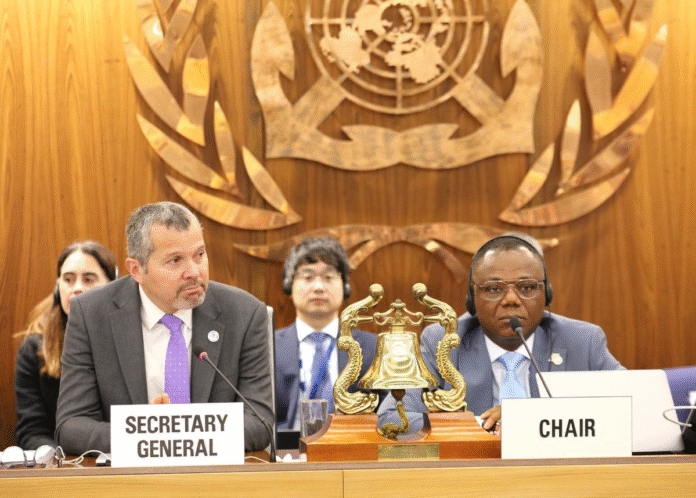
The International Maritime Organization (IMO) is a specialised agency of the United Nations, founded in 1948. It sets global standards for the safety, security, and environmental performance of international shipping. The IMO’s new carbon tax proposal aims to reduce greenhouse gas emissions from one of the world’s most polluting sectors — global maritime transport.
Understanding the Carbon Emissions Tax
A carbon emissions tax is designed to put a price on the carbon content of fuels, thereby encouraging the use of cleaner energy and reducing greenhouse gas emissions.
While supporters view it as an essential step in combating climate change, critics — including President Trump — argue that it could increase shipping costs, disrupt global supply chains, and burden consumers.
Global Divide on Climate Policy
The IMO’s proposal has received support from European and Asian nations, which see it as a necessary tool for meeting net-zero emissions goals by 2050. However, the US opposition could lead to a significant rift in global climate diplomacy, especially as major shipping powers weigh economic costs against environmental commitments.