

(image: The tribune)
Dussehra, also known as Vijayadashami, celebrates the triumph of good over evil. Across India, it is observed with immense devotion, but the way it’s celebrated varies widely—from burning effigies of Ravana to tribal processions and royal parades. Among these, Kullu Dussehra in Himachal Pradesh stands out as one of the most unique and spiritually rich festivals.
Kullu Dussehra (Himachal Pradesh)
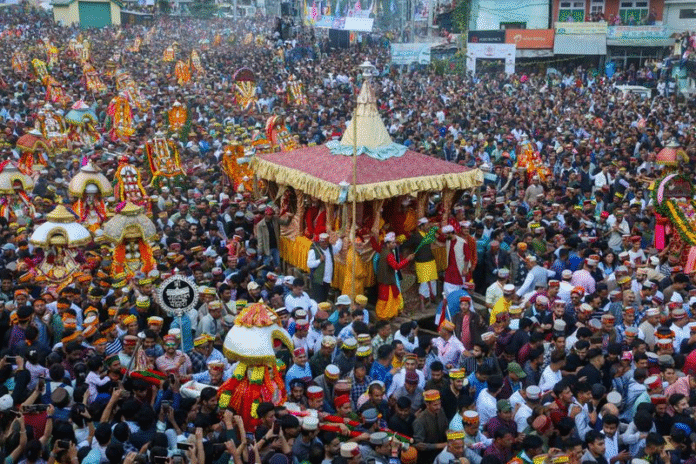
Held in the scenic Kullu Valley, this week-long festival begins when Dussehra ends elsewhere in India. Unlike most places, Kullu Dussehra doesn’t involve burning Ravana’s effigy. Instead, the focus is on local deities.
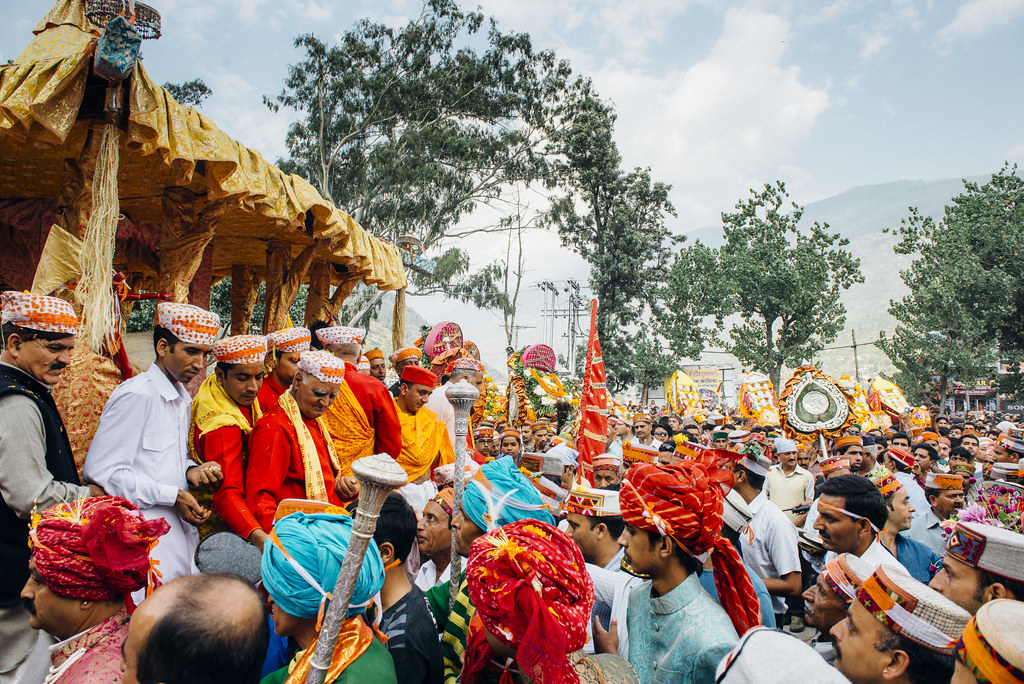
The main event is the arrival of over 200 village gods and goddesses, carried in palanquins to Dhalpur Maidan. The presiding deity, Lord Raghunathji, is brought in a grand wooden chariot pulled by devotees. The deities assemble to pay homage to Raghunathji, creating a spiritual gathering unseen anywhere else in India.
(image: youtube)
Another unique element is the symbolic Lanka Dahan, where a pile of dry grass and twigs is burnt by the Beas River on the final day. There are also traditional folk dances like the Nati, music, local markets, and fairs. The arrival of Hadimba Devi from Manali is essential, as her presence blesses the rituals.
(image : religionworld)
This celebration beautifully blends local tribal beliefs with mainstream Hindu traditions, making Kullu Dussehra not just a festival, but a living cultural heritage.
Other Grand Dussehra Celebrations
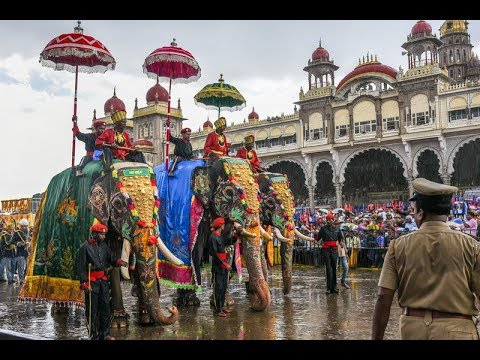
- Mysuru, Karnataka: Known for its royal grandeur, Mysuru Dasara features a magnificent elephant procession (Jambusavari), palace illuminations, and cultural performances. The idol of Goddess Chamundeshwari is carried through the city on a golden howdah, echoing centuries of royal tradition.
- Bastar, Chhattisgarh: This tribal Dussehra lasts nearly 75 days—the longest in India. It centers around Goddess Danteshwari, not Rama. Rituals include wood worship (Pata Jatra), penance ceremonies, and night-time processions (Nisha Jatra). No effigies are burned here, emphasizing tribal spirituality over Ramayana stories.
- Delhi: The capital hosts some of the most extravagant Ramlila performances, especially at the historic Red Fort grounds. Massive Ravana effigies are burned amidst fireworks, drawing large crowds and creating a carnival-like atmosphere.
- Ayodhya, Uttar Pradesh: As the birthplace of Lord Rama, Ayodhya celebrates Dussehra with deep devotion. The city glows with aarti ceremonies, processions, and temple decorations, making it a spiritual destination during the festival.
Dussehra in India reflects the country’s rich diversity. From the god-gathering valley of Kullu, to Mysuru’s royal parades and Bastar’s tribal traditions, each celebration carries its own flavor. Kullu Dussehra remains particularly special—deeply rooted in local culture, simple in ritual, and spiritually profound. It stands as a reminder that India’s festivals are more than celebrations—they are expressions of identity, faith, and unity