

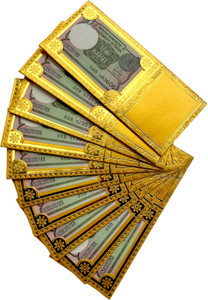
In the vibrant tapestry of Indian traditions, few customs are as quietly profound as the humble Shagun lifafa—an envelope of money gifted during weddings, birthdays, housewarmings, and festivals. But look closely, and you’ll notice something curious: the amounts are rarely round. Instead of ₹100, it’s ₹101. Instead of ₹500, it’s ₹501. That extra one rupee isn’t just spare change—it’s a symbol steeped in cultural, emotional, and spiritual significance.
What Is a Shagun Lifafa?
A Shagun lifafa is more than a monetary gift. It’s a gesture of goodwill, a blessing wrapped in paper. Whether handed to a bride and groom, a newborn’s parents, or a host during Diwali, it carries the giver’s best wishes for prosperity, happiness, and continuity.
Why the Odd Numbers?
The tradition of gifting odd-numbered amounts—₹51, ₹101, ₹501, ₹1001—is rooted in symbolism:
- Indivisibility: Odd numbers like ₹101 cannot be split evenly, representing unity and unbreakable bonds. In weddings, this is especially meaningful, symbolizing a marriage that cannot be divided.
- Continuity Over Completion: Round numbers like ₹100 feel final, closed. Adding ₹1 transforms the gift into a symbol of ongoing blessings and growth. It’s a way of saying, “May this be the beginning, not the end”.
- Spiritual Resonance: In Hindu belief, the number one signifies new beginnings. It invokes the blessings of Lord Ganesha, the remover of obstacles, and Goddess Lakshmi, the bringer of wealth. That one rupee coin is often seen as a token of divine goodwill.
The Coin That Carries Legacy
Even in today’s digital age—where UPI transfers and QR codes dominate—many Indians still add ₹1 to their digital Shagun amounts. A ₹1001 transfer feels more intentional, more heartfelt, than ₹1000. Psychologists note that non-rounded gifts are remembered longer, adding emotional weight to the gesture. Historically, this tradition traces back to Vedic rituals where dakshina (offerings) were given in odd numbers, believed to bring infinite returns. Over centuries, the practice evolved—from coins wrapped in cloth to envelopes and now digital lifafas—but the essence remains unchanged.
A Blessing, Not Just a Gift
The extra rupee in a Shagun lifafa is a quiet whisper of hope. It says: “May your joy multiply. May your bond remain indivisible. May your journey begin anew.” It’s a reminder that in India, even the smallest coin can carry the weight of generations. So the next time you slip ₹501 into an envelope, know this: you’re not just giving money. You’re giving meaning.