

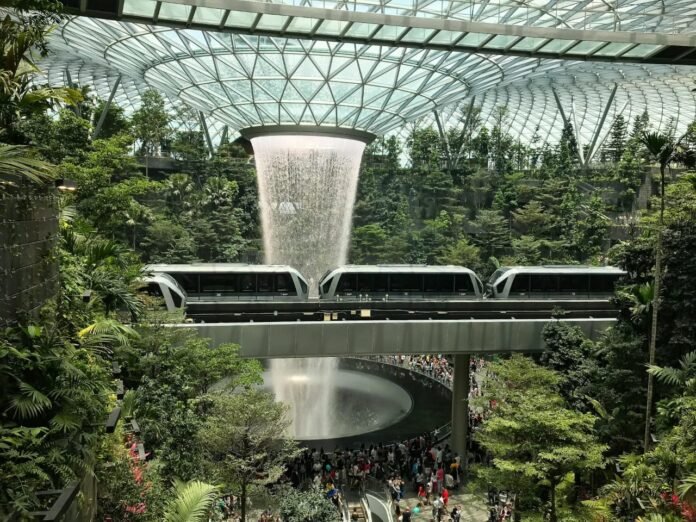
(PC:Tommorow city)
Singapore’s urban mobility model stands as a global benchmark for balancing limited urban space with efficient, sustainable transportation. Through decades of deliberate policy-making, the city-state has prioritized public transport, active mobility, and controlled car ownership to create a highly connected, eco-friendly urban environment. This article explores the key components of Singapore’s approach, highlighting its innovative strategies for managing vehicle growth and promoting greener commutes.
The Certificate of Entitlement System
A cornerstone of Singapore’s urban mobility strategy is its strict control over private vehicle ownership. The Certificate of Entitlement (COE) system, a market-based licensing mechanism, limits the number of vehicles on the road by requiring owners to bid for a 10-year permit. This makes car ownership significantly expensive, effectively regulating vehicle population and easing pressure on Singapore’s limited road infrastructure. By keeping car growth low, the COE system ensures that congestion remains manageable, allowing the city to focus on alternative modes of transport.
The Backbone of Urban Mobility
Public transportation is the lifeline of Singapore’s mobility ecosystem, with over half of its residents relying on buses and trains for daily commutes. The government has invested heavily in expanding the Mass Rapid Transit (MRT) and bus networks, prioritizing connectivity, reliability, and accessibility. Ongoing enhancements to rail lines and bus services ensure that public transport remains a convenient and efficient option for commuters, reducing dependence on private vehicles and supporting a sustainable urban lifestyle.
Walking and Cycling Networks
Singapore is committed to fostering healthier and greener commutes through its growing infrastructure for walking and cycling. The city boasts over 730 km of cycling paths and park connectors, linking residential areas to MRT stations, bus interchanges, amenities, and recreational spaces. With ambitious plans to expand this network to 1,300 km by 2030, Singapore is creating a seamless active mobility ecosystem. These pathways encourage residents to embrace cycling and walking, reducing carbon emissions and promoting physical well-being.
Integrated Urban Planning for a Connected Future
Singapore’s urban mobility success is underpinned by forward-thinking urban planning. Policies prioritize transit-oriented development, ensuring that residential and commercial areas are closely integrated with public transport hubs. This approach minimizes travel distances, enhances accessibility, and supports a car-lite lifestyle. By aligning land use with transportation infrastructure, Singapore maximizes the efficiency of its mobility systems while maintaining a high quality of urban life.
A Blueprint for People-Centric Urban Travel
Singapore’s urban mobility model demonstrates how strategic policies can transform a city into a hub of sustainable, efficient, and people-centric transportation. Through the COE system, robust public transport networks, and an expanding active mobility infrastructure, the city-state has created a blueprint for managing urban growth while prioritizing environmental sustainability. As Singapore continues to innovate and expand its mobility solutions, it remains a leading example of how cities can thrive by putting people and the planet first.