

By Vanshika Soni
What is the current status of India’s cleanliness drive? Has the vision of a “Clean India” begun to lose momentum?
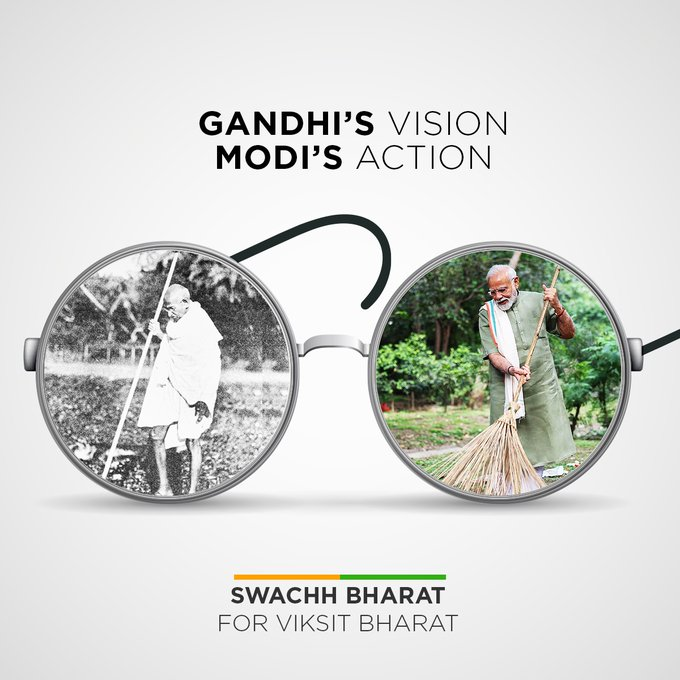
A harsh truth is that while people prioritize cleanliness in their immediate surroundings, the broader issue of nationwide sanitation often gets neglected. The Swachh Bharat Mission (SBM), launched on 2nd October 2014, was envisioned as a mass movement to transform India’s cleanliness standards. It initially ran for five years, and in October 2021, the government introduced SBM-Urban 2.0 to sustain achievements and make urban areas “garbage-free.” However, the enthusiasm that once drove the campaign appears to be fading — both among citizens and government bodies.
People or Government — Who is Responsible?
While it is easy to question government efficiency, the responsibility for cleanliness does not rest with authorities alone. Irregular garbage collection, poor waste management infrastructure, and inadequate monitoring by municipal corporations have indeed slowed progress. Yet, the attitude of citizens is equally concerning. Many people continue to litter streets, ignore dustbins, and treat public spaces with disregard.
Cleanliness is not merely about appearances — it directly impacts public health. Proper waste disposal and hygienic surroundings can reduce disease, improve quality of life, and contribute to national development. Unfortunately, the passion that once fueled Swachh Bharat Abhiyan is now visibly lacking.
Bridging the Urban–Rural Divide
Another pressing question is: why are only developed areas being further developed? Rural regions often lag behind in waste collection and sanitation facilities, widening the development gap. For the mission to succeed, the government must invest in waste management infrastructure across all regions, while also ensuring that local communities take ownership of their role.
A Call to Action
Good governance is inseparable from cleanliness. Citizens must recognize that keeping India clean is not only the government’s duty but a collective responsibility. Every small step — disposing waste properly, reducing plastic use, and spreading awareness — contributes to the nation’s progress.
It is time to reignite the spirit of Swachh Bharat and work hand-in-hand to achieve the vision of a clean, healthy, and developed India.

(The writer of this article is Vanshika Soni, a student of Kanoriya PG Mahila Mahavidhyalaya)