

By Nirjala Goud
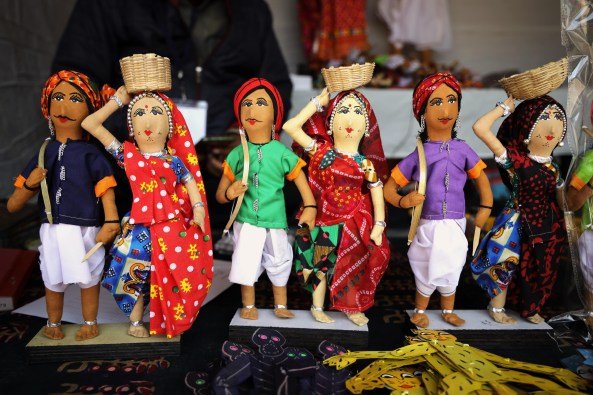
The Vibrant Bhil Culture of Jhabua district, nestled in Madhya Pradesh, is renowned for its rich Bhil tribal culture, vibrant art, and intricate handicrafts. Beyond its cultural heritage, the district is celebrated for its natural beauty and tourist attractions. However, one of its most distinctive claims to fame is its traditional art of crafting tribal dolls, locally known as Adivasi Gudiya Hastashilp (Tribal Doll Handicraft). This unique craft not only showcases the creativity of the region but also plays a significant role in supporting rural livelihoods through artistic expression.
The Art of Tribal Doll-Making
The dolls of Jhabua are more than mere handicrafts; they are cultural artifacts that reflect the identity and traditions of the tribal communities across the Indian subcontinent. Crafted from scraps of cloth and other affordable, locally sourced materials, these dolls are both decorative and functional, serving as souvenirs and reliable sources of income for artisans throughout the year. Ranging in size from 2 to 5 feet, they are adorned with vibrant colors and intricate designs, with prices typically ranging from ₹200 to ₹500.These dolls hold a special place in Indian traditions, often gifted to brides as tokens of goodwill in various parts of the country. For urban dwellers unfamiliar with tribal life, they serve as an informative window into India’s indigenous cultures. In educational settings, these dolls are valuable tools for teaching students about the intangible heritage of the Indian subcontinent, bridging the gap between modern and traditional worlds.