

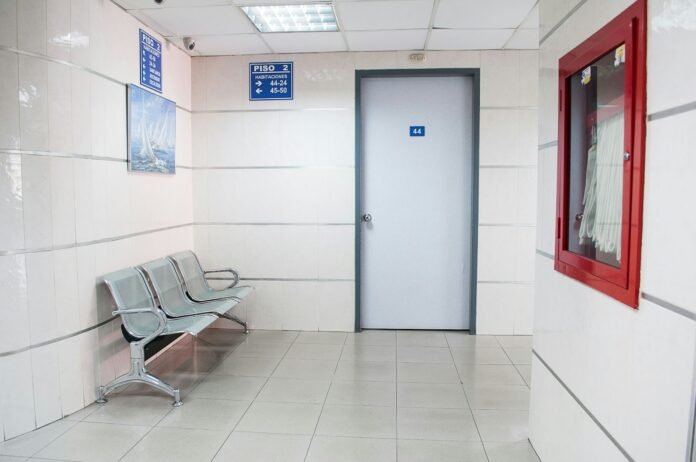
Image source
The healthcare industry is built on trust, privacy, and care. However, the safety of both patients and staff has become an increasingly complex challenge for hospitals and healthcare providers. From emergency rooms to administrative offices, modern hospitals are dynamic environments that require advanced security strategies to ensure safety without compromising care quality.
In recent years, hospital security systems have evolved beyond simple CCTV networks. Today’s solutions are built on intelligent surveillance technology, seamless integrations, and proactive alerting systems that help facilities respond faster and operate more securely. This article explores how modern hospital security systems are improving safety across healthcare campuses and what key features are making the biggest difference.
1. Real-Time Surveillance with IP-Integrated Cameras
One of the most significant upgrades in hospital security systems comes from the use of IP-integrated cameras. Unlike traditional analog setups, IP cameras offer high-definition footage, remote access, and centralized management through secure networks. Platforms like Coram are built to support this infrastructure by connecting with all IP camera brands and providing a unified dashboard for managing multiple feeds across a healthcare facility.
Learn how modern hospital security systems use intelligent surveillance, real-time alerts, and IP camera integration to improve safety for patients and staff.
With IP integration, hospitals can:
- Monitor entrances, corridors, and restricted areas in real time
- Access live feeds from any device with proper credentials
- Easily scale camera coverage without major infrastructure changes
This level of visibility allows security teams and administrators to spot issues as they arise and take immediate action, whether it involves managing unauthorized entry or resolving a conflict between visitors and staff.
2. Intelligent Alerts for Faster Response
Modern hospital security systems are not just about recording—they are designed to detect and notify. Intelligent alerting features now enable real-time responses to incidents such as:
- Unauthorized access attempts
- Loitering in sensitive areas
- Aggressive behavior or altercations
- Door propping or forced entries
These alerts are sent instantly to security teams through mobile apps or control centers, allowing for fast intervention. This reduces the risk of escalation and provides peace of mind to healthcare professionals working in high-pressure environments.
3. Protecting Patients in High-Risk Areas
Certain hospital zones, such as psychiatric wards, emergency departments, and pediatric units require an extra layer of security. Advanced camera systems in these areas can:
- Monitor patient movements and detect unusual behavior
- Ensure staff are present and responsive during care
- Record all activity for compliance and incident review
By keeping a close watch on these high-risk zones, hospitals can not only prevent harm but also support better patient outcomes through improved oversight.
4. Staff Safety and Workplace Violence Prevention
According to the Occupational Safety and Health Administration (OSHA), healthcare workers are five times more likely to suffer workplace violence than workers in other industries. Security systems play a vital role in preventing these incidents by:
- Recording interactions between staff and visitors
- Alerting teams when aggressive behavior is detected
- Creating audit trails for reporting and investigations
Surveillance coverage in waiting areas, hallways, and treatment rooms helps reduce the risk of verbal or physical abuse while providing documentation when incidents occur.
5. Integration with Access Control Systems
Security systems become even more powerful when integrated with access control technologies. By linking surveillance to electronic badge systems, hospitals can:
- Monitor who enters or exits specific zones
- Restrict access to medication rooms, data centers, or labs
- Cross-reference video footage with access logs for investigations
For example, if a staff badge is used outside of permitted hours, the system can trigger an alert and immediately record the incident. This helps prevent both external breaches and internal misuse.
6. Enhancing Emergency Response and Incident Management
Hospitals need to be prepared for emergencies ranging from active threats to fire evacuations. Security systems aid emergency response by:
- Providing real-time visual confirmation of incidents
- Coordinating with law enforcement via secure video sharing
- Tracking movement across floors and departments
Having a live view of events as they unfold enables command staff to direct responders more efficiently and minimize risk to patients and personnel.
7. Maintaining HIPAA Compliance and Data Security
Privacy is at the heart of healthcare, and security systems must be designed to protect not only physical safety but also patient confidentiality. To comply with HIPAA and other regulations, modern hospital surveillance systems include:
- Role-based access to footage
- Encrypted video storage and transmission
- Audit trails for all footage access and sharing
These features ensure that only authorized users can view or export video data, safeguarding sensitive patient information and maintaining compliance with legal standards.
8. Environmental Monitoring Integration
Modern security systems go beyond video surveillance. Integration with environmental sensors allows hospitals to monitor critical variables such as:
- Smoke and gas leaks
- Temperature and humidity in storage rooms
- Water leaks or flooding
These sensors trigger alerts and link with nearby camera feeds, allowing security teams to verify threats visually and respond appropriately. This integration helps protect not just people, but also valuable equipment and pharmaceuticals.
9. Support for Remote Management
As hospital campuses expand and more healthcare systems move toward multi-facility networks, remote access to surveillance systems has become essential. Cloud-connected platforms now allow authorized personnel to:
- View camera feeds from multiple locations
- Manage user permissions and access rights
- Search historical footage from any secure internet connection
This flexibility supports faster decision-making and allows for centralized oversight even when administrators are off-site or overseeing multiple hospitals.
10. Cost Efficiency and Scalable Deployment
Hospital budgets are often tight, but modern security systems are more cost-effective than ever. With IP-based and modular systems, hospitals can:
- Use existing network infrastructure and wiring
- Add cameras and features as needed without replacing the system
- Reduce manpower costs through automation and AI
This scalability ensures that both small clinics and large medical centers can maintain high security standards within their financial limits.
FAQs
Q1: Are video surveillance systems legal in patient care areas?
Surveillance is generally allowed in public or common areas of hospitals but should be avoided in exam rooms or bathrooms unless medically necessary and with proper legal and ethical safeguards.
Q2: Can modern security systems detect weapons or physical threats?
Yes, some advanced systems use AI to detect visible weapons or aggressive behavior, alerting staff immediately to prevent escalation.
Q3: How long is video footage stored in hospitals?
Storage duration varies by facility policy and local regulations, but most hospitals retain footage for 30 to 90 days, with longer storage for critical incidents.
Q4: Can staff access security footage from their phones?
Authorized staff with secure login credentials can access camera feeds via mobile apps, provided the system includes mobile support and encrypted connections.
Q5: What kind of training is needed to use these systems?
Most modern platforms are designed with intuitive dashboards and require minimal training. However, security staff should be trained on response protocols, privacy policies, and incident documentation.
Conclusion
Modern hospital security systems are not just tools for recording—they are active, intelligent platforms that help protect lives and ensure smooth operations across healthcare facilities. By integrating IP cameras, access control systems, and real-time alerting features, hospitals can create a proactive, transparent, and compliant approach to safety.
As healthcare institutions continue to face complex challenges, from overcrowded ERs to rising workplace violence, investing in a smart, flexible, and responsive security system is no longer optional. It is a foundational part of delivering safe, effective, and trustworthy care in today’s healthcare environment.