

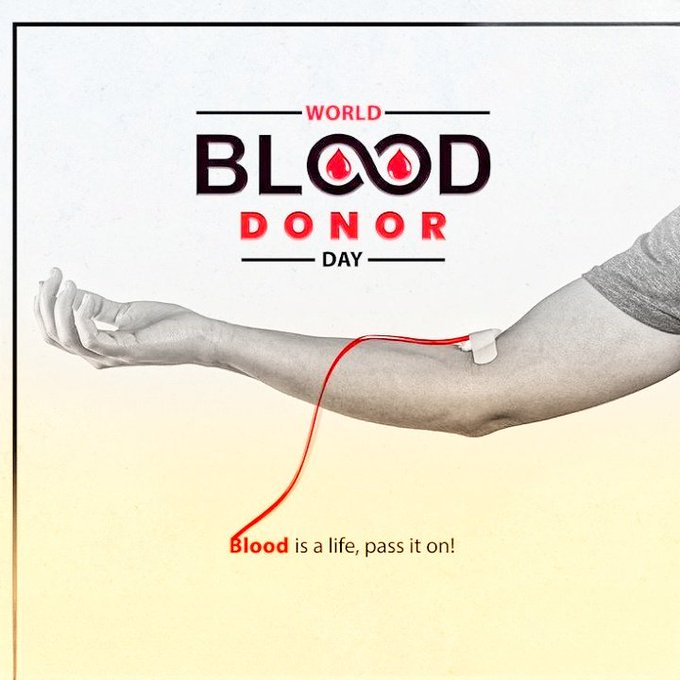
The Essence of Blood Donation
Blood is vital for the body, not only for transporting carbon dioxide but also for combating infections. Beyond its biological role, blood donation represents a profound act of human kindness. World Blood Donor Day (WBDD), celebrated annually on June 14, honors selfless donors who give this essential resource without expecting anything in return, while encouraging others to join this noble cause.
Origins and Purpose of World Blood Donor Day
World Blood Donor Day, established in 2004 by the World Health Organization (WHO), the International Federation of Red Cross and Red Crescent Societies (IFRC), the International Federation of Blood Donor Organizations (IFBDO), and the International Society of Blood Transfusion (ISBT), commemorates the birthday of Karl Landsteiner, the Nobel Prize-winning scientist who discovered the ABO blood group system. Declared an official global event in 2005 by the World Health Assembly, WBDD aims to raise awareness about the need for safe blood, thank voluntary unpaid donors, encourage regular donations, and promote robust national blood transfusion services.
Global Efforts and Organization
The WHO, as the primary global organizer alongside co-founders IFRC, IFBDO (representing 82 member states), and ISBT, has driven initiatives like the Global Database for Blood Safety (1998) and various technical guidelines since the 2000s. Countries worldwide have developed policies, protocols, and legal frameworks to ensure voluntary donations, safety screening for transfusion-transmissible infections (TTIs) and blood grouping, as well as quality assurance and hemovigilance to maintain high standards in blood transfusion services.
Impact of Blood Donation
In 2018, approximately 118 million units of blood were donated globally, with 83% coming from voluntary donors. Donated blood is critical for emergency care (e.g., accidents and surgeries), maternal health, childbirth, and the treatment of conditions like cancer, hemophilia, and chronic diseases. Beyond its lifesaving impact, donation offers health benefits to donors, including regulated iron levels, improved cardiovascular health, psychological uplift through a sense of purpose, and stimulation of fresh blood cell production.
Addressing Global Challenges
WBDD highlights chronic blood shortages, particularly in low- and middle-income countries, where women and children face significant access barriers. By promoting voluntary donations and strengthening blood transfusion systems, the day underscores the importance of collective action to ensure safe and sufficient blood supplies for all.