

By Anjali Solanki
Today on World Press Freedom Day, I stepped into Sapray Sangrahalaya in Bhopal, a vibrant museum nestled in the serene Shyamla Hills. This global celebration of journalism’s courage and resilience felt perfectly at home in a space dedicated to the stories that shape our world. The visit was more than a walk through exhibits; it was a compelling exploration of the past of press freedom, crafted to resonate with anyone who values the pursuit of truth.
The museum’s modern yet earthy architecture, a striking mural set the tone: newspapers pens, books and more into roots and branches, symbolising journalism’s deep connection to humanity. A special exhibit, curated for World Press Freedom Day, aligned with 2024’s theme: “A Press for the Planet: Journalism in the Face of the Environmental Crisis.” It underscored the press’s role in confronting global challenges, from climate change to corporate accountability.
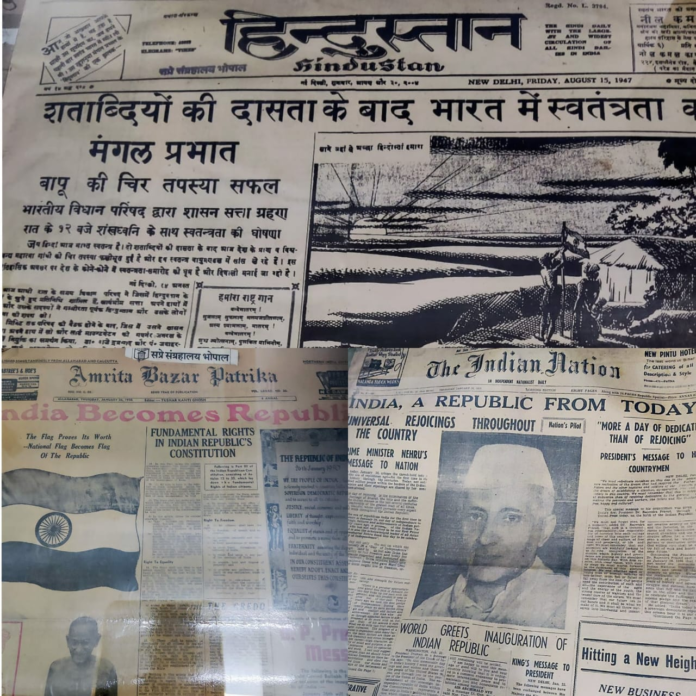
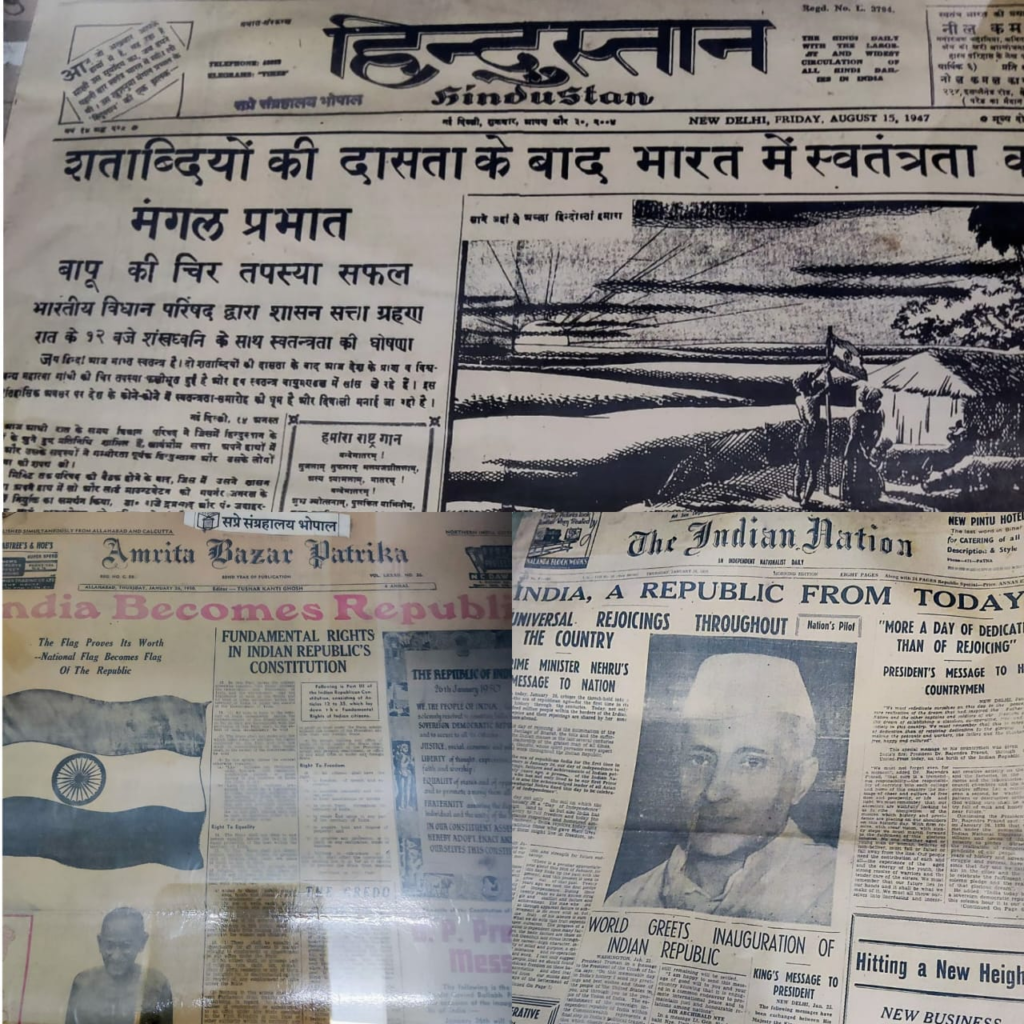
The journey began with an interactive display of a 1940s newsroom, complete with typewriters, telegrams, and sepia-toned newspapers. The clack of keys and the weight of colonial censorship came alive through the exhibit’s audio guide, which detailed how India’s press fueled the freedom struggle, defying British attempts to silence dissent. These early journalists, armed only with words, laid the foundation for today’s fight for truth a legacy that still inspires.
A shift to modern journalism brought a sobering perspective. A wall of quotes included one by slain journalist Gauri Lankesh: “The pen is mightier than the sword, but only if it dares to write the truth.”
Nearby, a digital memorial honored journalists lost to violence, their names glowing softly. The 2024 World Press Freedom Index ranks India 159th, a slight improvement but a reminder of ongoing challenges like legal harassment, censorship, and economic pressures. This section was a stark call to recognize the sacrifices behind every headline.
The heart of the visit was an immersive exhibit on the future of press freedom. A 360-degree projection room enveloped visitors in a whirlwind of images: drones capturing protests, AI-generated deepfakes, and citizen journalists streaming from conflict zones. A narrator’s voice posed a critical question: “In a world of algorithms and echo chambers, how do we protect the truth?” The exhibit balanced hope and caution, showcasing innovations like blockchain for source verification and AI to detect misinformation, while warning of surveillance and data manipulation. It was a thought-provoking glimpse into the complexities ahead.
In the museum’s outdoor amphitheater, local journalists led a panel discussion on the day’s theme, exploring how environmental reporting often underfunded and dangerous holds power to account. The speakers echoed UNESCO’s stance: “Freedom of expression is a driver for all other human rights.” Their words were a rallying cry, urging journalists and citizens alike to champion truth in an era of climate crises and corporate overreach.
As the sun set, the museum’s rooftop offered a stunning view of Bhopal’s lakes, a serene backdrop for reflection. A post on X captured the day’s essence: “World Press Freedom Day at Sapray Sangrahalaya a reminder that truth is worth fighting for. Here’s to a free, fierce, fearless press.
The Future of Press Freedom
The future of press freedom is a paradox of opportunity and obstacle. Technology has democratized storytelling, smartphones and social media give marginalized voices a stage, bypassing traditional gatekeepers. Yet, these tools also amplify disinformation, propaganda, and online harassment. The 2024 World Press Freedom Index reveals a global landscape where authoritarian regimes tighten media control, and even democracies face trust deficits. In India, legal threats and economic pressures persist, despite incremental progress.
Hope lies in resilience and innovation. Collaborative journalism, like cross-border investigations, can counter suppression. Encrypted communication and decentralized platforms can protect sources. Media literacy is vital readers must question narratives and verify facts. Above all, press freedom requires collective action: governments must uphold Article 19 of the Universal Declaration of Human Rights, and citizens must support independent media. Sapray Sangrahalaya’s exhibits made it clear: the press is not just a profession but a pillar of democracy, and its future depends on our resolve to keep it free.
This visit to Sapray Sangrahalaya was more than a museum tour it was a spark for action. It reminded us that every story we read, share, or question shapes