

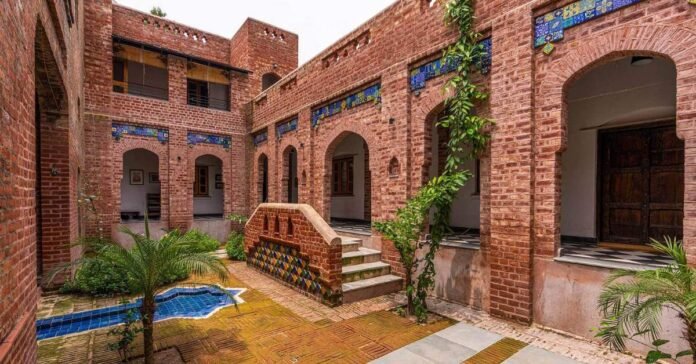
India’s havelis—those timeless sentinels of sandstone, lime, and legend—stand quietly in the bylanes of history. Once grand abodes of royalty, merchants, and noble families, these architectural marvels have weathered monsoons, dynasties, and dust. For decades, many crumbled into silent ruins. But now, they’re waking up.
From the deserts of Rajasthan to the coastal charm of Maharashtra, a quiet but steady revival is underway. Meticulously restored and lovingly repurposed, these havelis are not just architectural showpieces—they’re vibrant cultural hubs offering travellers a rare passage into a bygone world.
Ready to time-travel? Here are seven lesser-known restored havelis across India where heritage meets hospitality:
1. Daspan House – Jodhpur, Rajasthan
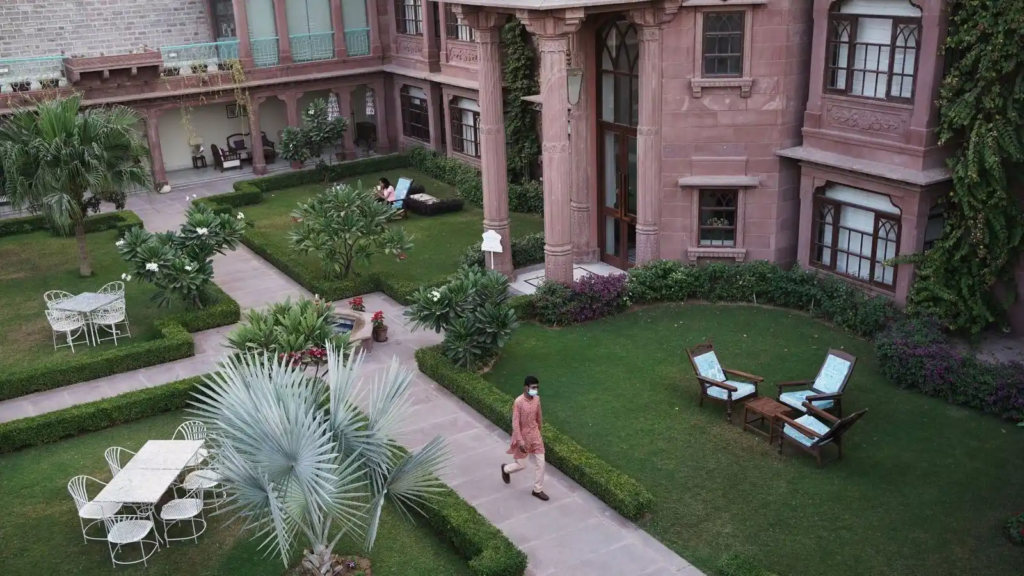
Where the desert tells its stories in stone
Tucked away in the Blue City’s quieter quarters, Daspan House rises like a regal whisper. Built in 1921 and revived in 2019, this sandstone haveli now shines as a boutique hotel with an old soul. Every corner hums with stories—spiral marble staircases wind into serenity, rooms overlook gardens where time seems to slow, and the infinity pool reflects both sky and history. Hungry? Head to Old Loco, the in-house restaurant and bar, for a sip of the past with a modern twist.
2. Peepal Haveli – Gurdaspur, Punjab

Where tradition meets transformation
Once nearly forgotten in the folds of rural Punjab, Peepal Haveli in Nawanpind Sardaran has emerged as a model of sustainable restoration. Over 125 years old, this heritage gem won the UNESCO Asia-Pacific Award for Cultural Heritage Conservation in 2023. The revival wasn’t just about walls and windows—it revived a community. Traditional materials, local craftsmanship, and a focus on educational use make Peepal Haveli a living, breathing tribute to responsible conservation.
3. Figueiredo House – Loutolim, Goa
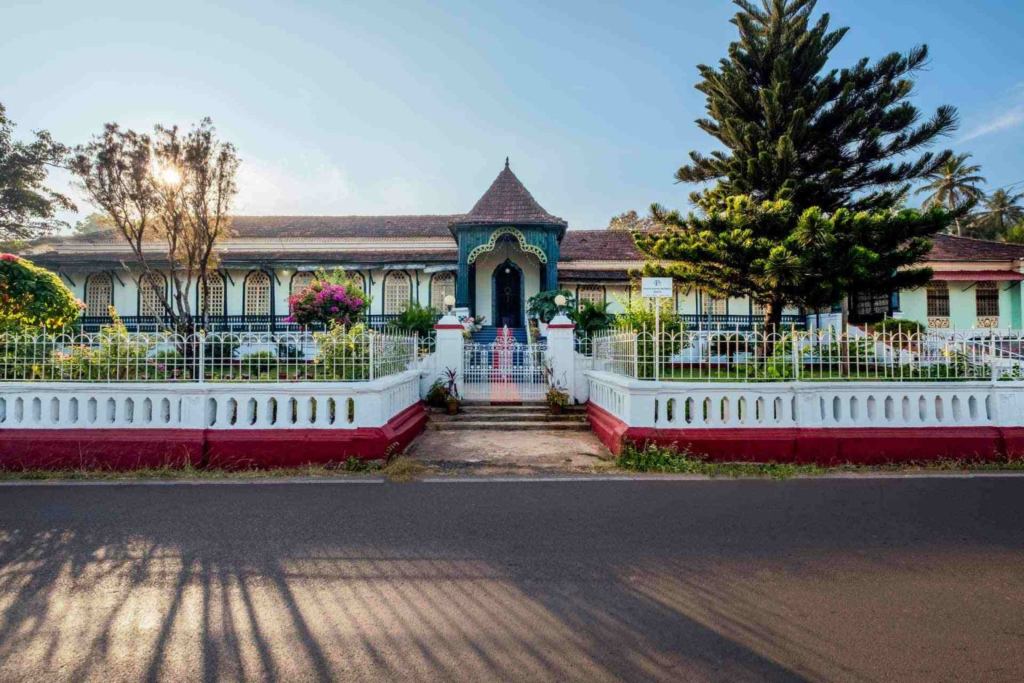
A museum of memory in Indo-Portuguese stone
Dating back to 1590, this Goan mansion is less a house and more a chronicle of centuries. The Figueiredo House, restored lovingly by Maria de Lourdes Figueiredo de Albuquerque, is now a living museum where you don’t just look—you feel. Think wooden altars dressed in azulejos, a ballroom echoing the rustle of bygone soirées, and a family legacy you can walk through. One step inside, and you’ll never see Goa the same way again.
4. Mahishadal Rajbari – Purba Medinipur, West Bengal
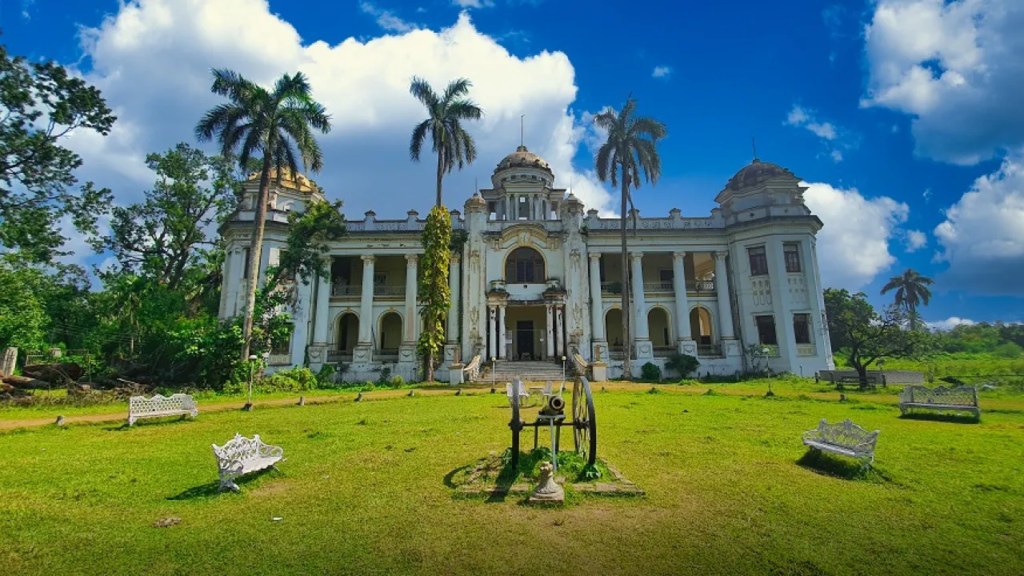
Where Bengal’s royal bloodlines still bloom
Two palaces—Rangi Basan (1840) and Phulbagh (1926)—stand proudly on the Mahishadal estate, their arches wide with welcome and walls lined with tales of rajahs and revolutions. Preserved with care, these palaces blend grandeur with grace. Wander through their corridors, and you’ll find vintage photographs, regal artifacts, and echoes of Bengal’s royal past that still hum in the air.
5. Amolee – Alibaug, Maharashtra
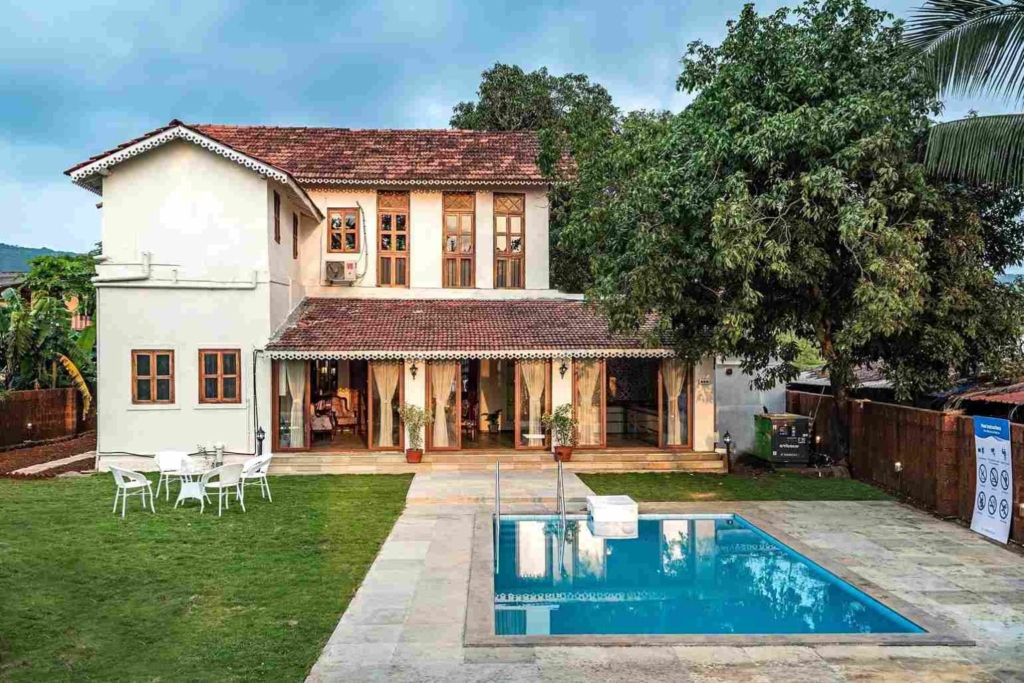
Where the sea breeze carries stories of faith
Built in 1830 in the sleepy coastal town of Alibaug, Amolee is a traditional wada—but it carries the soul of a community. Constructed using Burma teak, limestone, and brick, the mansion holds special significance for the Bene Israeli Jews of the region. Today, antique furniture, mosaic-tiled floors, and oil lamps bathe the space in nostalgia. A sanctuary of cultural fusion, Amolee offers a serene stay for those seeking depth over dazzle.
6. Golden Haveli – Chandni Chowk, Delhi

History’s heartbeat in the heart of Old Delhi
Amidst the chaos of Chandni Chowk, the Golden Haveli is a rare oasis—150 years old and freshly restored in 2023. This grand mansion now stands as a heritage guesthouse where visitors can live the Mughal-era charm without losing modern comforts. Imagine sipping chai on a jharokha overlooking bustling bazaars, or waking up to the call of a 19th-century world. It’s Delhi, distilled.
7. Chettinad Mansions – Karaikudi, Tamil Nadu
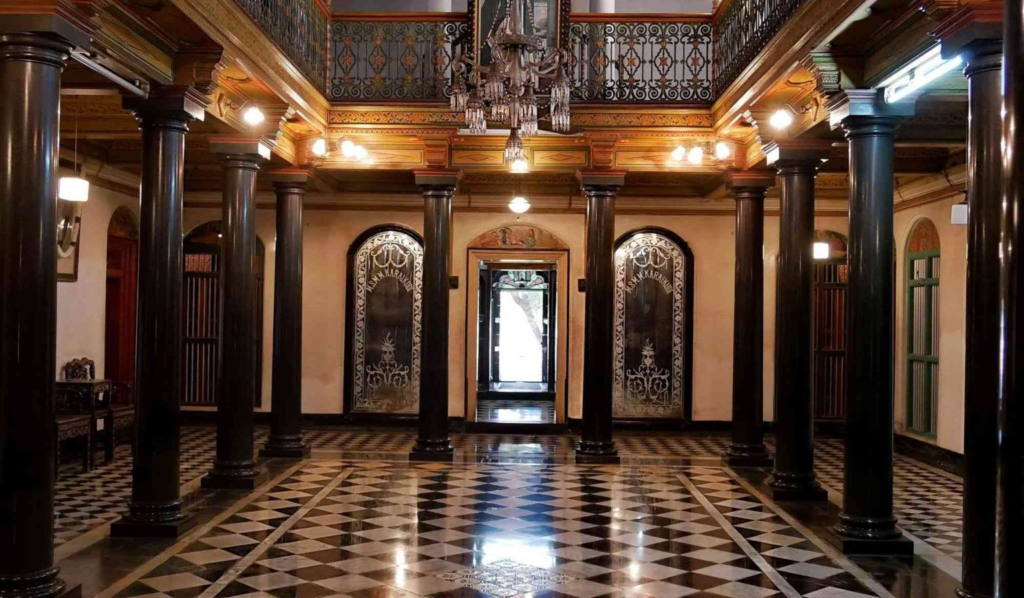
Tiles, teak, and the trail of trade
The mansions of Chettinad, once the pride of the Chettiar merchant community, are architectural epics. Built between the 19th and mid-20th centuries, these mansions boast Burmese teak, Belgian mirrors, and Italian tiles—testament to a time when Karaikudi was a global trade node. Though many fell into neglect, the Chettinad Heritage and Cultural Festival (launched in 2022) is fuelling a quiet renaissance. Today, several havelis have reopened as heritage hotels, letting guests sleep where history lives.
The Revival Revolution
The resurgence of India’s havelis is more than a conservation effort—it’s a reclamation of identity. In an age of glass towers and identical skylines, these mansions remind us that beauty has layers, and stories need shelter.
So, if you find yourself yearning for an escape that’s more soulful than sanitized, follow the sandstone trails. There’s a haveli waiting to welcome you—with creaking doors, whispered histories, and a charm that refuses to fade.