

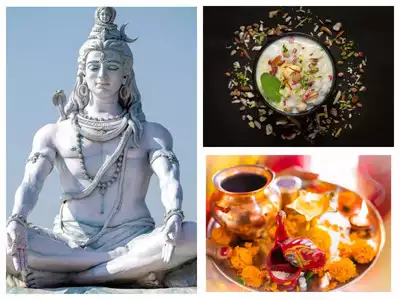
Somavati Amavasya, occurring on January 30 in 2025, is a significant event in the Hindu lunar calendar. This auspicious day falls on the new moon (Amavasya) that coincides with a Monday (Somvar), which is dedicated to Lord Shiva. The combination of these two factors — the Somavati (Monday) and Amavasya (new moon) — makes this day particularly powerful, and it is celebrated with great devotion across India, especially in places with sacred rivers and temples.
Significance of Somavati Amavasya
Somavati Amavasya holds deep spiritual and religious importance. The day is believed to be auspicious for honoring ancestors (Pitras) and seeking their blessings. Devotees believe that performing rituals on this day helps in the liberation of the souls of departed ancestors, ensuring their peace in the afterlife. The day is also a time for devotees to seek the blessings of Lord Shiva, as Mondays are particularly sacred to him.
For married women, it is believed that worshiping on Somavati Amavasya will ensure the well-being of their husbands and children. It is also a day for seeking prosperity, health, and the resolution of long-standing problems.
Rituals and Traditions
- Holy Bath: A common practice on Somavati Amavasya is taking a holy dip in a river or a water body. Rivers like the Ganges, Yamuna, Godavari, and Kaveri are considered especially sacred. The act of dipping in the waters is believed to cleanse devotees of their sins, purify the soul, and bring good fortune for the year ahead. Many travel to sacred pilgrimage spots like Haridwar, Varanasi, and Prayagraj to take the ritual bath.
- Pitru Tarpan: Offering prayers to ancestors is an essential tradition on Somavati Amavasya. People perform Pitru Tarpan, which involves offering water and sesame seeds, while reciting specific mantras to honor their forefathers. This ritual is believed to bring peace to the souls of ancestors, help in overcoming family obstacles, and ensure prosperity.
- Fasting and Prayers: Devotees observe a fast on Somavati Amavasya, consuming only fruits and water. This fast is believed to purify the body and mind, and it is accompanied by chanting prayers dedicated to Lord Shiva. Many visit Shiva temples to offer prayers and participate in the Shiva Puja or Somavati Vrat, a ritualistic worship on Mondays.
- Charity and Donations: It is also considered an auspicious time to perform acts of charity. Donating food, clothes, or money to the needy, especially to Brahmins or temples, is a way to earn spiritual merit on this day. It is believed that such acts of kindness help in accumulating good karma and ensuring a prosperous future.
- Yoga and Meditation: Devotees also engage in meditation and yoga on Somavati Amavasya to attain inner peace. This practice helps in connecting with the divine and purifying the mind, fostering spiritual growth and calmness.
Cultural and Regional Celebrations
Somavati Amavasya is celebrated with enthusiasm in various parts of India, especially in states like Uttar Pradesh, Maharashtra, Gujarat, and Bihar. In many regions, temples dedicated to Lord Shiva and other deities hold special ceremonies and processions. People gather in large numbers to offer prayers, participate in religious discussions, and share meals with their community.
In rural areas, the day is marked by large gatherings, with devotees singing bhajans (devotional songs) and performing aarti (rituals of worship) by the riverside or in temples. In some regions, it’s common to light oil lamps to mark the occasion, symbolizing the dispelling of darkness and the arrival of light.
Backstory
The origins of Somavati Amavasya lie in Hindu mythology. It is believed that on this day, the moon and the earth align in a way that enhances the spiritual energies, making it easier for devotees to connect with the divine and perform rituals with greater efficacy. The significance of Mondays dedicated to Lord Shiva and the new moon as a time of renewal and reflection gives this day its powerful aura.
Overall, Somavati Amavasya is not just a day for performing religious rituals but also an opportunity for spiritual growth, reflection, and honoring those who came before us. It’s a day where devotees unite in devotion, sharing blessings with family, ancestors, and communities while seeking divine favor for a prosperous year ahead.